In his opinion the current market situation may persist for several more weeksand even lead to further price increases.
Read also: Will Hungary break with Russia and China? Peter Magyar must pass 5 tests
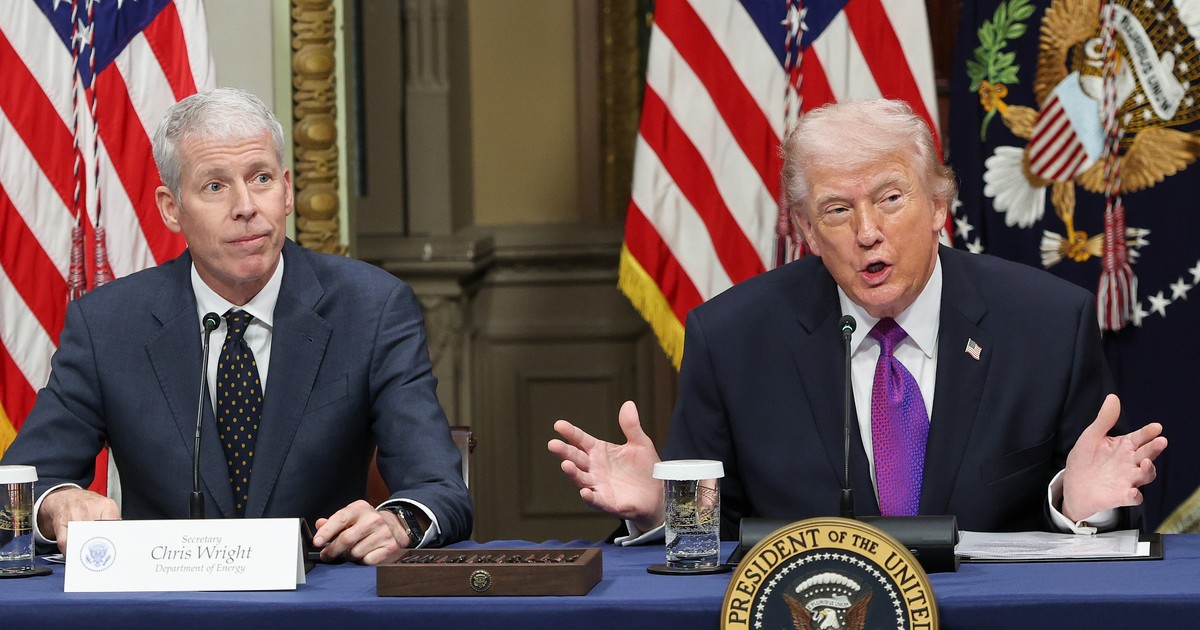
“In the very long term, prices will certainly fall, but as long as there is no significant ship traffic through the Strait of Hormuz, we will see high prices and maybe even an increase,” Wright emphasized during the Semafor World Economy forum in Washington.
As he added, the market may reach its “peak” levels in the coming weeks.
Uncertainty related to the conflict in the Middle East
The minister noted that further development of the situation depends primarily on the course of the conflict with Iran. “It depends on how the conflict continues, but it is very likely,” he replied when asked about the possibility of further price increases.
At the same time, he pointed out that the end of hostilities and the resumption of energy supplies would bring gradual downward pressure on prices. “But once the conflict ends and energy starts flowing again, downward pressure will begin. But it will take some time. The longer the conflict lasts, the longer the recovery will take“- he assessed.
Wright previously suggested that U.S. fuel prices could fall by summer, but current events challenge that forecast.
Read also: Fuel is not so expensive everywhere. There is one “white island”
Blockade and geopolitical tensions
On Monday President Donald Trump confirmed the commencement of a blockade of Iranian ports in response to the failure of talks with Tehran. This decision further restricted tanker traffic and increased pressure on the global energy market.
Experts emphasize that disruptions in the Strait of Hormuz – through which a significant part of the world's oil usually flows – have a direct impact on commodity prices and the global economy.
Venezuela increases production
Wright also referred to the situation in Venezuela, where – as he reported – oil production increased by about 25%. within three months of political changes in the country. During this time, over 150 million barrels of raw material reached the market.
After the new government in Caracas took power, the United States eased sanctions against the oil sector, and the Venezuelan authorities opened up more to foreign investments.