
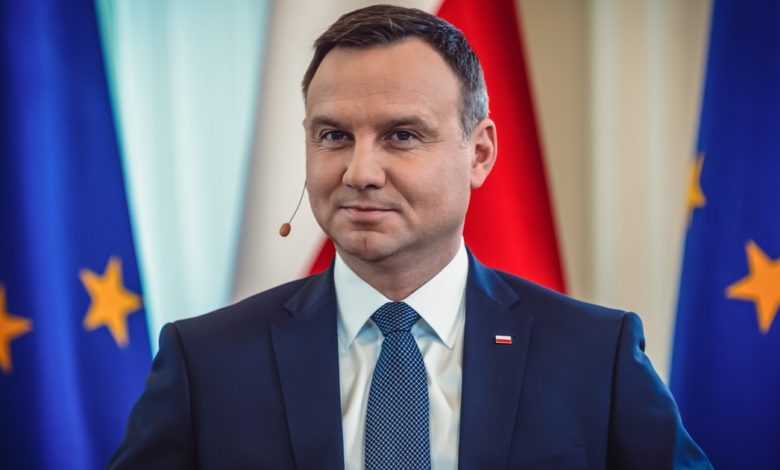
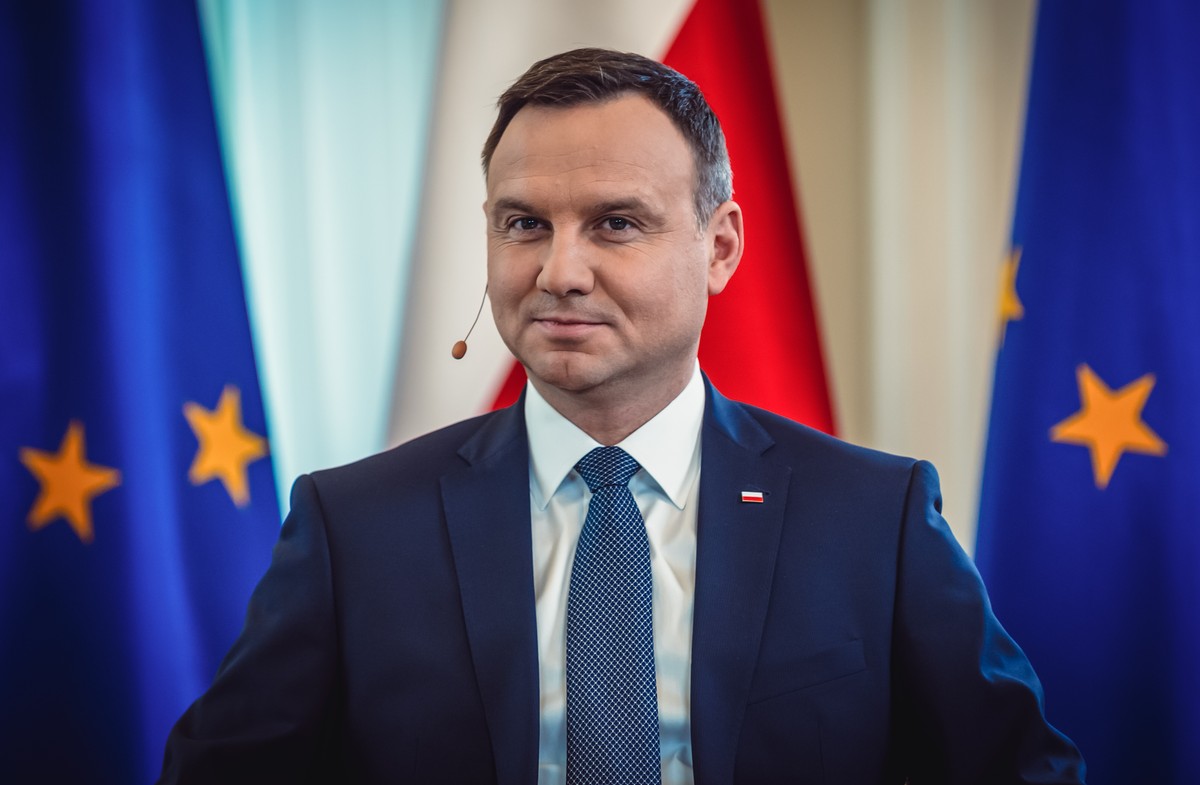
As CBOS emphasizes, after the presidential election, the politician most often endowed by Poles trust the outgoing President Andrzej Duda – He trusts him 50 percent Poles (an increase of 2 percentage points compared to May). The president does not trust 35 percent respondents (decrease by 3 percentage points).
The change in the ranking took place in second place. Sejm Marshal Szymon Hołownia replaced Hołownia Confederation leader Sławomir Mentzen, who trusts 47 percent Poles. It is an increase in trust by 8 percentage points. compared to May. Since April, trust in Mentzen has increased by 13 percentage points. The recent candidate does not trust 33 percent in the presidential election. respondents (decrease by 6 percentage points).
The president came third in the trust ranking Elek Karol Nawrocki, who trusts 46 percent respondents. It is by 11 percentage points more than in May. Lack of trust in it expresses 36 percent. respondents (decrease by 6 percentage points). Nawrocki in the third place in the ranking replaced the head of the Ministry of Foreign Affairs Radosław Sikorski.
“The first measurement after the presidential election, which was won by the Law and Justice candidate, proved to be beneficial primarily for the politicians who competed in them, and in general – for the right. In recent weeks, President Elekt Karol Nawrocki gained the most on social trust,” notes CBOS.
Politicians of the ruling coalition outside the box
President of Warsaw, KO candidate in the election Rafał Trzaskowski took fourth place in the ranking. He trusts him 44 percent respondents (increase by 5 percentage points). The lack of trust in Trzaskowski was expressed by 42 percent. respondents (decrease by 3 percentage points).
Fifth place went Sejm Marshal Szymon Hołownia, who trusts 41 percent respondents (decrease by 2 percent point). The Polish leader 2050 does not trust 40 percent (increase by 4 percentage points).
Sixth place was taken by the boss The Ministry of Foreign Affairs Radosław Sikorski, who trusts 40 percent Poles (the same as in May). The lack of trust towards the head of the Ministry of Foreign Affairs expressed 32 percent. respondents (decrease by 1 percent point).
The next place was ex aequo Senate Deputy Speaker, Left candidate for President Magdalena Biejat and the leader of the Together party, also the presidential candidate Adrian Zandberg, who trusts 39 percent. respondents. Trust in Biejat in relation to the May survey increased by 2 percentage points, while in Zandberg by 9 percentage points. The lack of trust in the deputy marshal expressed 25 percent. respondents (increase by 2 percentage points); Zandberg does not trust 21 percent (decrease by 4 percent points).
Confederation leader, Deputy Marshal of the Sejm Krzysztof Bosak trusts 38 percent respondents – an increase of 2 percentage points; He doesn't trust him 28 percent. respondents (decrease by 3 percentage points).
Deputy Prime Minister, head of the Ministry of National Defense Władysław Kosiniak-Kamysz trusts 37 percent respondents (decrease by 1 percentage point); The President of PSL does not trust 30 percent (increase by 1 percentage point).
Tusk, Kaczyński and Morawiecki. Prime ministers on censored
Donald Tusk was 10th place. The Prime Minister Ufa 35 percent Poles (unchanged). does not trust 52 percent respondents (increase by 1 percentage point). Tusk took second place in the ranking of lack of trust among Poles.
PiS MP, former prime minister Mateusz Morawiecki enjoys 33 percent trust (decrease by 1 percentage point); He doesn't trust him 50 percent. respondents (unchanged). PiS politician ranks third in the June ranking of distrust.
PiS president, Jarosław Kaczyński trusts 30 percent respondents (increase by 1 percentage point). 56 percent expressed the lack of trust in Kaczyński. respondents (without changes in relation to May). Kaczyński, as in May, is a politician who arouses the greatest distrust.
The study was conducted on a representative sample of adult residents of Poland, drawn from the PESEL register. They were implemented from 5 to 15 June at a sample of 971 people (including: 63 % CAPI, 24 % – Cati and 13 % – CAWI).


