Controls on the border with Germany and Lithuania. GDDKiA about the change of traffic organization

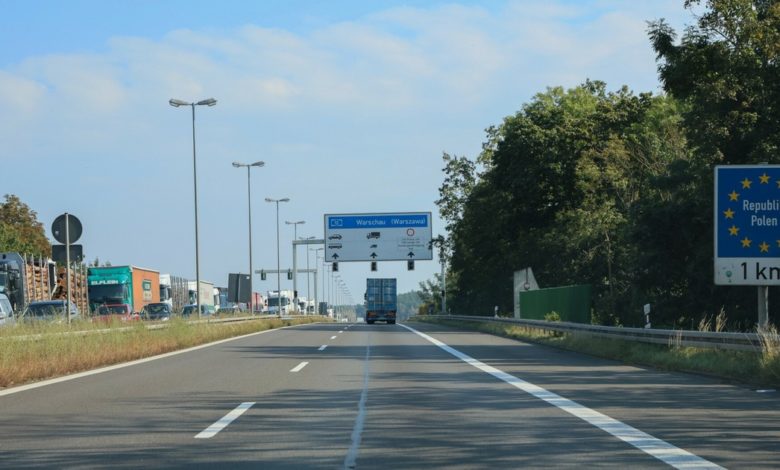
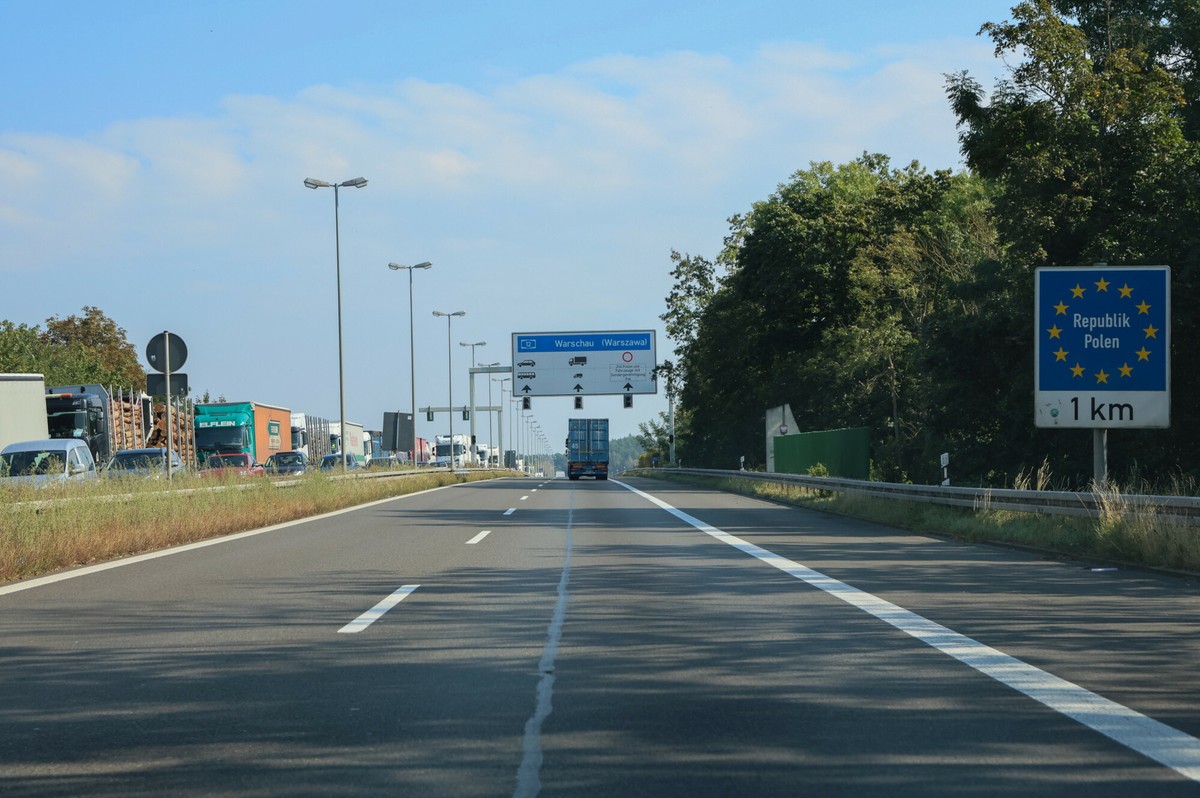
“On Monday, July 7, on national roads on the board of GDDKiA conducting from 14 border crossings with Lithuania and Germany, changes in traffic organization will be introduced. This is related to the restoration of temporary control to Polish-German and Polish-Lithuanian border crossings. Speed limits and exclusion of some traffic belts will be introduced. We call for caution and paying attention to road marking” – said GDDKiA.
Read also: Migration on the border of Poland and Germany. Analysis of the situation by an expert
According to the management of the management, Temporary checks will include 12 Polish-German border crossings (4 in the West Pomeranian Voivodeship, 7 in Lubuskie and 1 Lower Silesia), and also 2 transitions on the border with Lithuania.
GDDKiA reminded that according to the Ministry of Interior and Administration, inspections carried out by the Border Guard will be random. “However, drivers entering Poland from Germany and Lithuania should prepare for a longer waiting time for entering the country” – indicated in the announcement.
Changing movement at border crossings with Germany
At the transition Lubieszyn/Linken, the entrance road to Poland will be closed from border to the roundabout. At the entrance to Poland, there will be a speed limit to 30 km/h, while all vehicles will be redirected to the parking lot at the headquarters of the Road Transport Inspection, where selective inspections will be carried out. From there, the traffic will be directed to a roundabout connecting national road No. 10 (DK10) with the road towards the town of Buk.
The organization of traffic at the Kołbaskowo/Pomellen crossing will not change much in relation to the currently in force, which was introduced in the Union in the control of KAS, etc. and police. The only difficulty is the narrowing of the available road to one lane and a speed limit to 50 km/h.
Within the transition of Rosówek/Rosow on DK13, a maximum speed limit to 50 km/h will be introduced.
Read also: The NBP reveals the content of the protocol. Why was there no interest rate reduction?
At the crossing of Krajnik Dolny/Schwedt, the right lane in front of the border bridge on the Polish side will be excluded from traffic and selective inspections will take place on it. Vehicles driving towards Germany will drive through a parking bay next to it, and vehicles driving towards Poland on the DK26 road. As GDDKiA pointed out, no additional speed limit will be introduced – there is already a limit of 40 km/h.
On the DK22 section leading through the Kostrzyn on the Odrą/Küstrin-Kkietz, a speed limit to 30 km/h will be introduced. Selective inspections will be carried out outside the road lane, in the parking lot. The left turn will be closed in front of the control site. Protective barriers will be demolished to enable control.
At the crossing of Słubice/Frankfurt n. Odra at the entrance to Poland will be introduced to a ride straight towards the roundabout. Vehicles selected for inspection will be directed to the right to the right to a special zone.
On the DK2 section within the Świecko/Frankfurt border crossing, the maximum speed will be limited to 30 km/h, and the fragment of the road will be narrowed to the right lane.
The speed limit to 30 km/h will also apply on the section of the DK32 road leading through the crossing of Gubinek/Guben.
With a higher speed – up to 50 km/h – you will be able to drive the A18 motorway section through the Olszyn/Forst crossing, but the road will be narrowed.
DK12 control at the crossing of Łęknica/Krauschwitz will take place within the first roundabout behind the border bridge on the Łęknica beltway.
At the Transport Border Crossing/Subrosche, the lane on the DK27 road will be narrowed and the maximum speed limited to 30 km/h.
The narrowing of the belt is also to be introduced on the A4 motorway at the Jędrzychowice/Ludwigsdorf crossing. The maximum speed will be limited to 40 km/h.
According to the GDDKiA message, traffic towards Germany at all border crossings, with the exception of Krajnik Dolny, will take place as before.
Changing movement at border crossings with Lithuania
On the other hand, at the Polish-Lithuanian Budzisko/Kalwarija crossing on the S61 expressway, a maximum speed limit to 40 km/h will be introduced and the road narrowing to one lane will be introduced. The traffic will be directed to an additional road leading to the place of service of travelers Budzisko Zachód, where the selection of vehicles for inspection will take place.
Within the Gardens/Lazdijaj passage, the speed limit on the DK16 section will be limited to 30 km/h. The entire traffic will be directed from the main road to the former border crossing, where the vehicles will be tipped for control.
As GDDKiA pointed out, the organization of traffic towards Lithuania will remain unchanged at both crossings.