Romanians have the most confidence in the army. The government and the Parliament, at the tail of the ranking sounding

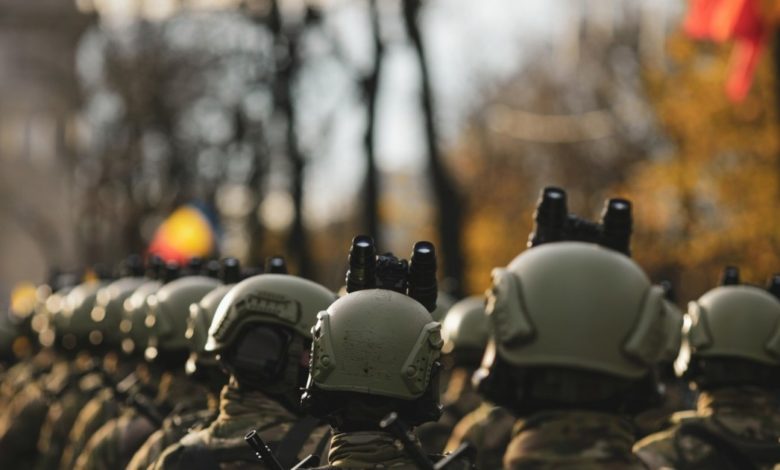
Romanians have the most confidence in the institutions considered stable and apolitical, such as the army and the church, while the government and the Parliament are in the last positions in the preferences of the population.
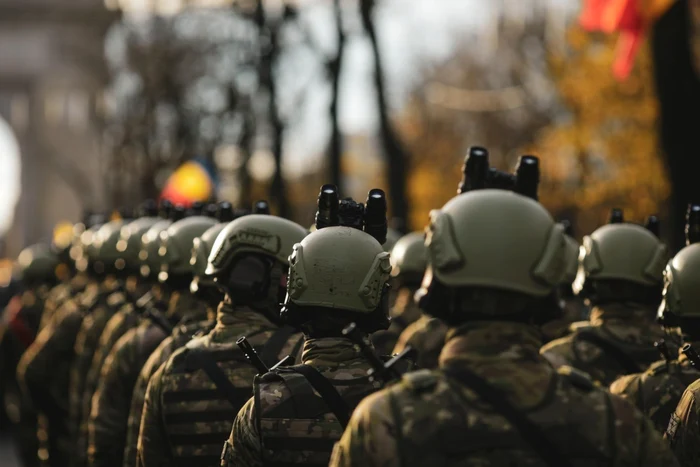
Romanians have the most confidence in the photo army: Shuterstock
According to the latest survey conducted by Inscop Research on June 20-26, 2025, the army remains the institution in which the Romanians have the highest confidence. 63% of respondents said they have “quite a lot“Or”Very much“Trust in this institution. In the second place is the church, with 57.7%, followed by the Romanian Academy, which benefits from a level of 46.8%.
The ranking continues with the police (43.2%), the National Bank of Romania (42.5%), the City Hall (38.9%) and the Presidency (34.8%). At the tail of the ranking is the press (26.9%), the government (20.4%) and the Parliament (14.5%).
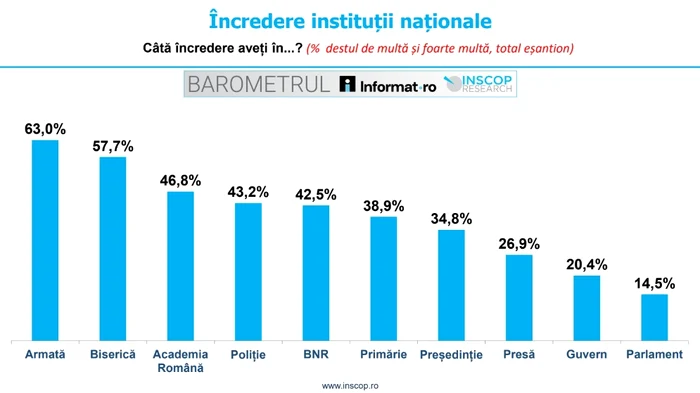
The ranking of institutions according to the confidence of the Romanian photo: Inscop
In which institutions do Romanians trust
The data of the survey shows that the voters of the PSD and the PNL, the people over 60, those with primary education and the inhabitants of the rural area are the most confidence in the army. The church is especially appreciated by gold voters and young people under 30.
The Romanian Academy enjoys confidence among PSD and PNL voters and employees in the public sector. The police are well seen by young people under 30 and by the PSD voters, and the National Bank is appreciated especially by the PNL and USR supporters, by young people, those with higher education and by the inhabitants of the big cities.
As for the City Hall, it is supported by PSD, PNL and USR voters, and the presidency has a higher level of confidence among PNL and USR voters, young people with higher education and inhabitants of Bucharest. The press is especially appreciated by PSD voters and those 60 years old.
The government and the Parliament, although at the bottom of the ranking, have more support from young people under 30, those with higher education, state employees and PSD, PNL and USR voters.
The “need for solid landmarks” in a climate of uncertainty
The director of Inscop Research, Remus Stefureac, explains these results through the desire of Romanians of stability in an uncertain political and social context: “Barometer Informa.ro-Inscop Research from June-July 2025 shows that the Romanians place their confidence in institutions perceived as stable and apolitical: the army and the church are detached, reflecting the need for solid landmarks in a climate of uncertainty. The Romanian Academy remains a symbol of cultural continuity, being an institution rather respected than influenced”.
Ștefureac draws attention to the crisis of legitimacy faced by the central institutions of the state: “The government, the Parliament and even the Presidency suffer from a crisis of legitimacy, determined by the deep distrust in the political class. The police and BNR maintains in the median area, being perceived as functionalbut does not immune to the erosion of trust”.
As for the local administration, the perception is more favorable. “The town halls enjoy a favorable perception of other political institutions, a sign that the closeness of the citizen counts ”, said Stefureac.
The press, although playing an important role in a democracy, remains marked by suspicions related to political partisan. “The press, although essential in democracy, remains marked, as in other countries, by perceptions divided between the role of information and the suspicion of partisan”.
Ștefureac also emphasizes that political polarization significantly influences the level of confidence in institutions: “The voters of the governance parties have significantly greater confidence in institutions than the gold voters, who show a chronic distrust in all institutions. From this point of view, the risk of amplification and exploitation of social divisions by hostile state actors becomes a major one for Romania to the next three years ”.
Inscop survey
The survey is part of the monthly series “Barometer Informa.ro – Inscop Research”, made by Inscop Research at the command of the news platform Inform.ro, in partnership with the Thinking Group Strategic Think -Tank. The research was carried out between June 20-26, 2025, on a sample of 1,150 people, representative for the uninstitutionalized adult population. The collection method was CATI (telephone interviews), and the maximum error margin is ± 2.9%, at a level of 95%.