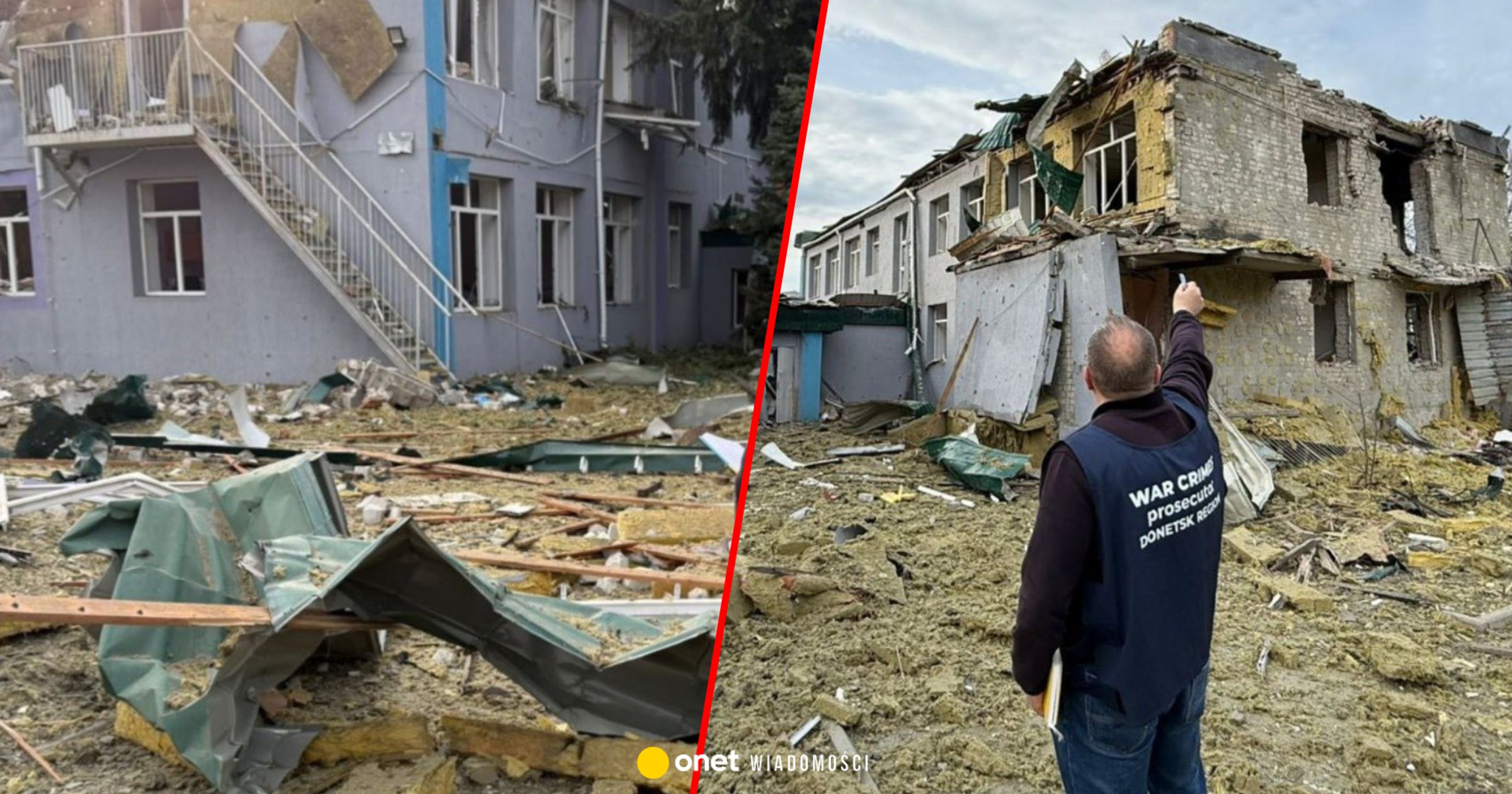
Everything that moves in eastern Ukraine-soldier, ambulance, civilian in a seemingly quiet village-can become a target. This is how the summer 2025 shows on the East Front, where the Russian army has increasingly moved its tactical accent on the use of drones, especially in the offensive around Kostiantinivka, Pokrovske and Kupiansk, according to an analysis published by The New York Times.
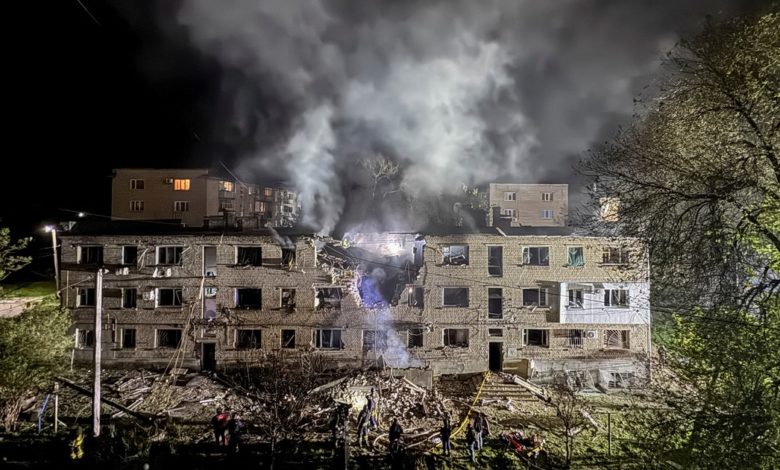
Russian drones hit civilian houses night/photo: x
The drones, which once completed the classic offensive, became the peak of spear. Many of them are capable of hitting targets and 38 kilometers away, making the distinction between the front line and the “rear area”. The situation becomes critical at night, when the devices are equipped with thermal rooms. “After leaving the evening, everything is complicated,” says Evhen Alhimov, spokesman for the 28 Mechanized Brigade of Ukraine. “You cannot move, you cannot transport injured, you cannot replenish. I see you and hit you.”
Against the background of intensifying attacks with guided drones and air bombs, the Ukrainian defense is still based on weapons from the Soviet era, such as the Zu-23 anti-aircraft cannons. Modern Western systems such as Patriot are too valuable to be brought in the vicinity of the front, where the risk of their destruction is too high. In the absence of a better solution, the Soviet equipment is hidden under camouflage nets and in improvised shelters, but their efficiency is relative.
Drones no longer make the difference between military and civilians
In the meantime, the risk space extends for civilians. Drones no longer make the difference between uniform and street clothes. The humanitarian convoys, the exhaust teams and the mere inhabitants of the eastern Ukraine are as exposed as the soldiers. Nyt writes that the war has become more brutal not only from a military, but also human point of view – by the increased number of victims among the non -combative population.
“The only hope that soldiers and civilians in the areas under threat is to survive.”writes The New York Times.
In parallel, the voice of experts draws attention to the stay behind Ukraine in terms of countermeasures. Serghei “Flash” Beskrestnov, an electronic war specialist, warns the population not to observe the actions of the anti -dot defense groups behind the windows: the heavy bullets used do not choose the target. And activist Sergei Sternenko goes on, accusing the local authorities of delaying the implementation of technologies essential for the interception of drones. “If we do not do this now,” he warns, “Russia will laugh with the shaheds.”
In a war where every square meter is scanned from the air, the only real chance is the quick adaptation. Or survival – for those who get to adapt.