The crisis of olive oil, more and more serious. Greece cultivators are also facing growing thefts

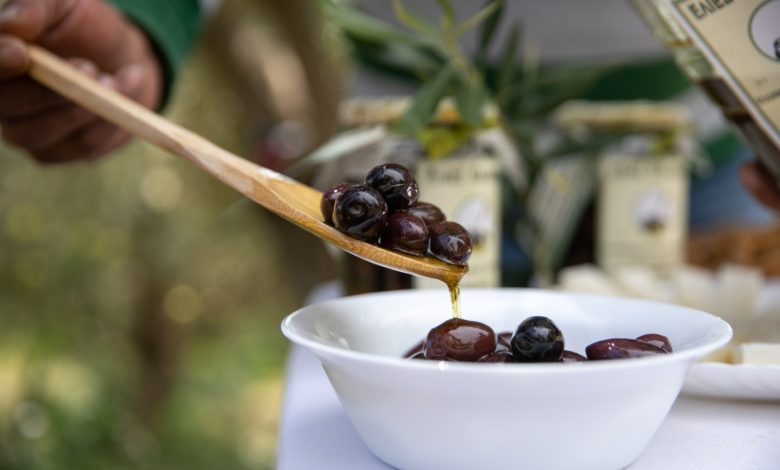
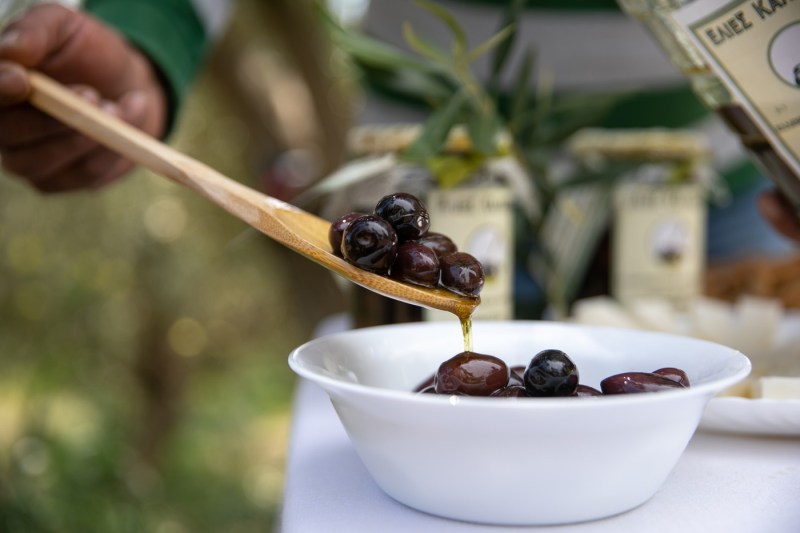
Kalamata olives, in the Messinia region, Greece. The Kalamata variety is considered the “queen” of the Greek olives. Photo credit: Lefteris Partsalis / Xinhua News / Profimedia
Olive thefts multiplied in Greece after increasing temperatures in the Mediterranean basin has made the less predictable olive crop and residents in the regions where the more desperate olives are cultivated, Bloomberg reports.
Olives have been a resistant culture for thousands of years in the Mediterranean area, because olives like dry climate. But at present, olive growers in Spain, Italy and Greece, the first three world producers, are struggling to protect their drought olives, Agerpres reports by citing Bloomberg Economic Agency.
The situation in Greece is an example. The smallest and poorest country in the group of the three, Greece, focuses on extra-virgin, high quality olive oil, and exports oil worth over $ 1 billion per year annually. Of the three mentioned countries, Greece suffered the most from climate change, about $ 400 per capita in 2023, according to Eurostat.
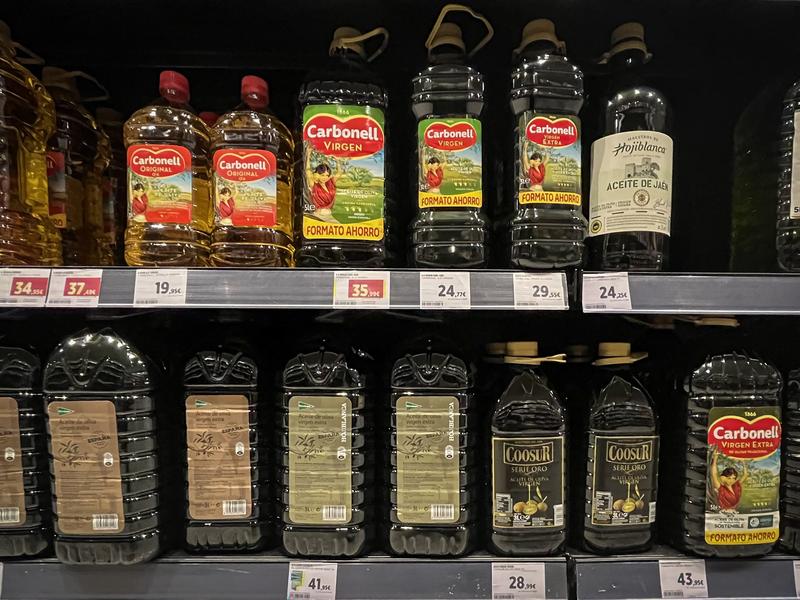 The olive oil market has entered a perfect storm. Warning of the world's largest producer
Greek farmers must now cope with intensifying the risks of vegetation fires, which last year burned over 4,400 hectares of olive plantations.
“The impact of climate change is so great that we have destroyed almost all the production. We do not have the weapons to fight this problem,” said Michael Antonopoulos, Olive Cooperative Agricultural President in Kalamata.
How did olive theft multiplying in Greece
The thieves also hit the distributors of olive oil in Spain and Italy. But the news about olive theft has multiplied in Greece, with stories that appear in Facebook posts, but also in local and international publications. Some of these burglary are large operations, such as the 37 tons of olive oil (with a value of over $ 300,000) stolen from a Halkidiki factory. But other thefts resemble the scenario in “Ocean's Eleven”, but rather with living.
On the island of Crete, a group of thieves entered the house of a man and took about 180 liters of his personal reserve of olive oil. On the outskirts of Athens, the farmers woke up one morning that their olives were cut during the night. Sometimes the thieves leave with all the olive, leaving only the stump, sometimes they wipe it only with the branches loaded with olives. The bags with freshly collected olives disappeared from the field, before the farmers have the chance to transport them to the factory. In the Messenia Peninsula, near Kalamata, articles appeared according to which the thieves entered the cemetery to steal the reserves of olive oil set aside for the candle and even the bottles of olive oil left for the deceased.
For generations, the typical Greek farmer knew that there are cases where someone was ironed by thieves, but now these things have become normal. The temperature fluctuations made the Greece harvest from 2023/2024 so small that the farmers decided that it was not worth collecting the remaining olives.
“Last year was probably the weakest in the last 20 years,” says Prokopios Magiatis, professor at the University of Athens and a researcher specialized in olive production. This year, the situation has returned, with a yield of 250,000 tonnes, more than double compared to last year's anemic harvest. However, the future of the Greek olive oil industry seems more uncertain than ever.
Currently, olive oil represents 25% of all Greece agriculture and 7% of the country's GDP. The Greeks are mostly based on cooking oil, more than other peoples. Each Greek uses about 18 liters of olive oil each year for daily cooking, almost 10 times more than an average American.
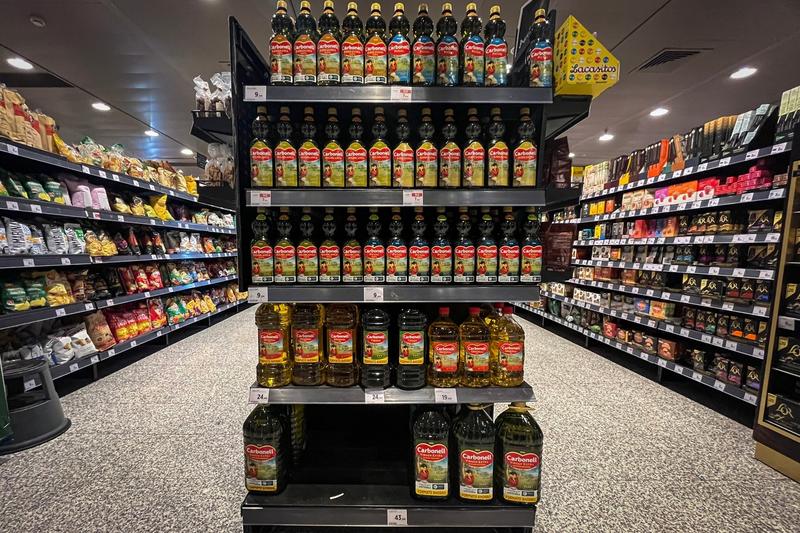 “It has become a kind of liquid gold.” Olive oil feeds an impressive wave of offenses in Spain
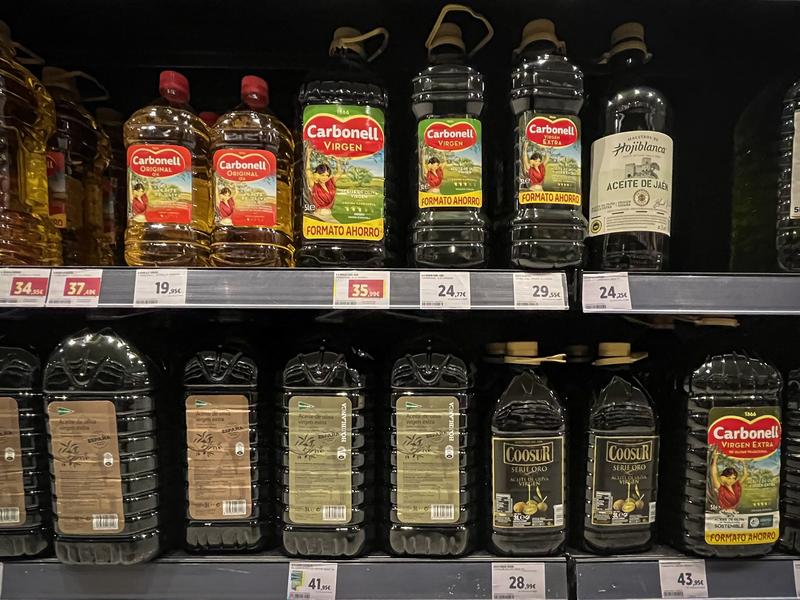 Olive oil has come to be tied with chains in Spain supermarkets