Only 1 in 7: What the Institute for War Study after Russia's massive air attack notes against Ukraine

Russia held on Saturday night to Sunday the biggest combined attack from the beginning of the war, launching over 500 missiles and drones on Ukraine, which partially overwhelmed the anti -aircraft defense systems that the Ukrainian forces have available, the Institute for the Study of the US in the last military conflict.
The Ukrainian forces managed to break only one of the seven iskander-m/KN-23 ballistic missiles and none of the four Kinzhal aerobalistic missiles during the attack that took place on the night of June 28 to 29.
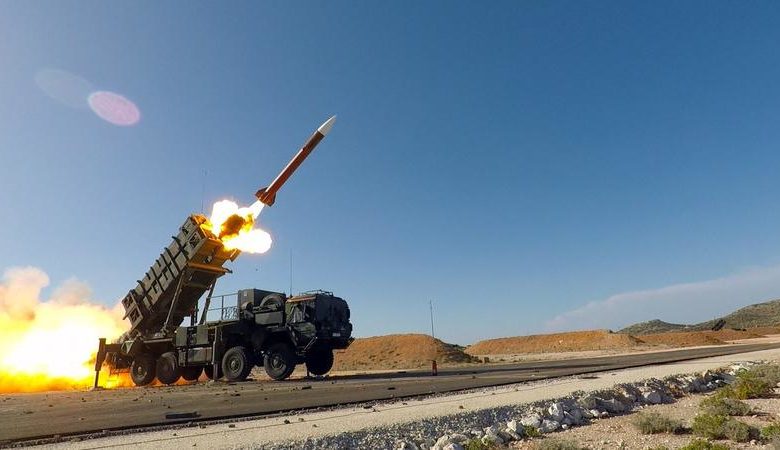
Ukrainian President Volodimir Zelenski has appealed to strengthen Ukraine's anti -aircraft defense and reiterated that Ukraine is ready to purchase American anti -aircraft defense systems. US President Donald Trump recently discussed Zelenski, on June 25, about possible sales of Patriot systems to Ukraine.
Patriot systems are essential for Ukraine's ability to defend themselves against Russian ballistic rocket attacks, especially in the context in which Russia increases its production and stock missiles to make more frequent and massive attacks against Ukraine.
Massive air attack launched by Russia against Ukraine
The Ukrainian air forces reported that Russia used on Saturday's attack on Sunday a total of 537 means of attack, including 447 shahed drones and diversion drones from the directions of Kursk, Oyol and Briansk, from Șatalovo in the Smolensk region, as well as from Cape Chauda, under Crimea.
The Ukrainian Air Force also said that Russian forces launched four KH-47M2 Kinzhal aerobalistic missiles above the Tambov region, seven iskander-m/KN-23 ballistic missiles, 41 cruise missiles KH-101/Iskander-K from Saratov regions, Kursk and Kursk Briansk, five Kalibr Cruise Raches in the Black Sea and three S-300 anti-aircraft defense missiles.
Ukrainian air forces say they have broken 221 drones, an iskander-m/kn-23 ballistic missile, 33 KH-101/iskander-K cruise missiles and four Kalibr missiles and 225 drones and a KH-101/Iskander-K cruise rocket were “lost” or neutralized by Ukraine systems electronic.
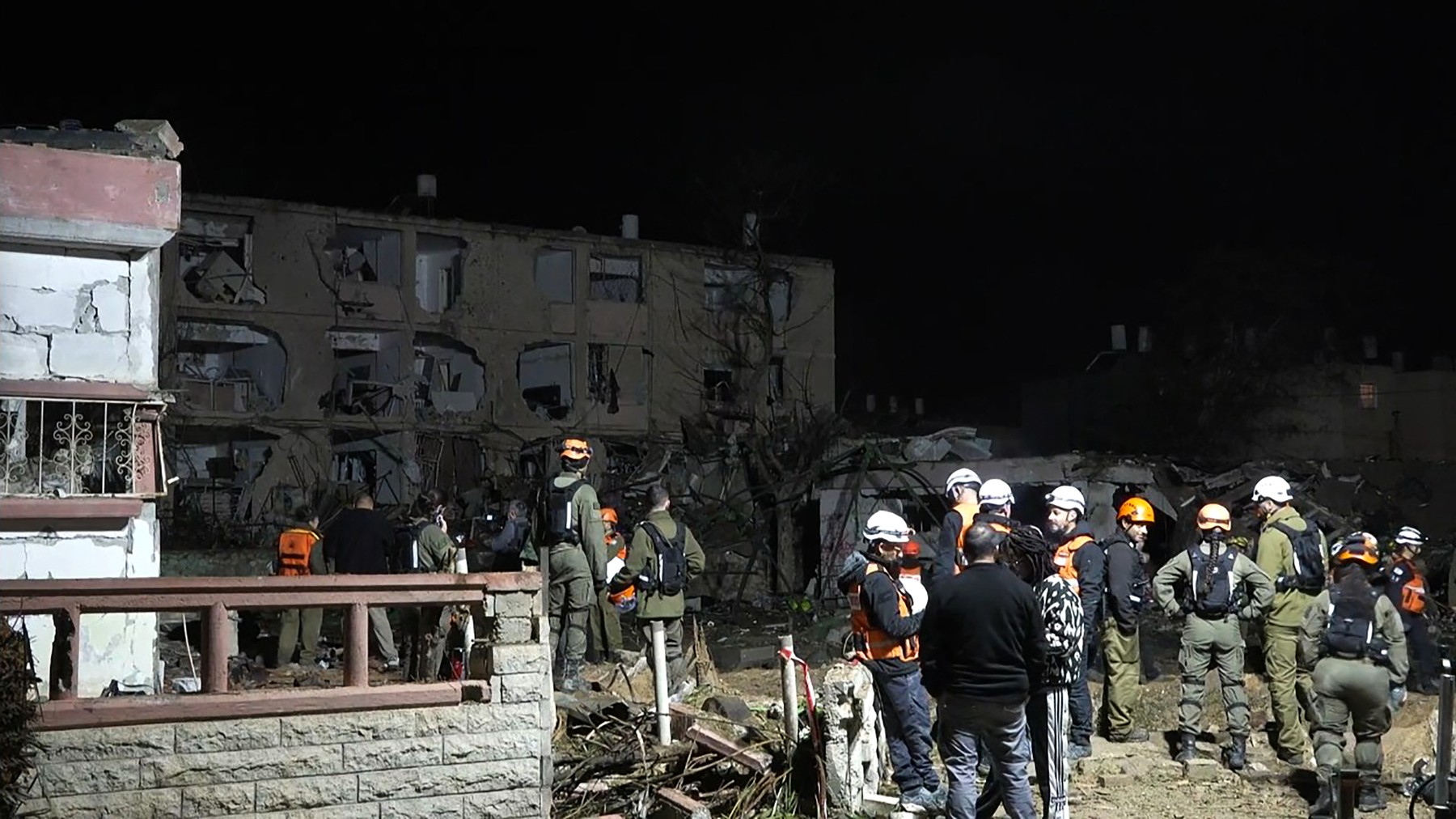
Ukrainian officials reported that Russian forces have hit civil infrastructure, including housing and educational institutions, in the Ternopil, Ivano-Frankivsk, Cerkasî and Nikolaev regions, as well as rail and industrial infrastructure in the Liov and Poltava regions.
Ukrainian President Volodimir Zelenski confirmed that a Ukrainian F-16 pilot died while participating in attacks.
“Russia continues to use an increasing number of drones in night attacks to overload the Ukrainian anti-aircraft defense and to facilitate subsequent bumps with cruise and ballistic missiles. Increasing the number of blows launched by Russia in recent weeks is due to its efforts to expand its production, in particular. ballistic, ”the ISW points out in his daily report, published on Sunday.
Russia has intensified its attacks on Civil Targets in Ukraine
ISW also notes Russia seems to hit more and more civilian areas in these major attacks. The head of the military administration of Kiev, Timur Tkacenko, said that Russia has changed its tactics to cause as many civil areas as possible.
Tkacenko said that this month Kiev was targeted three times by massive rockets and drones, Russia launching a total of 285 drones and 65 missiles on the Ukrainian capital – an increased increase in the 35 drones launched on Kiev in January. Russia then used a Kinzhal rocket.
Tkacenko said that 42 civilians, including a child, died from these attacks on Kiev since the beginning of June and that 234 people, including 11 children, were injured. Tkacenko reported that Russian forces carry out so-called “Double Tap” blows against intervention teams and use delayed detonation dispersion, which endanger both civilians and rescuers.
The Institute for the Study of the War observed that Russian military officials and bloggers reacted to the recent devastating attacks on Kiev demanding the intensification of the blows.
Russians intensify their armament production
Satellite images and announcements of the Moscow government indicates that Russia is trying to increase its production of medium and long term military aircraft. The Finnish publication Yle reported on June 28 that the satellite images made between the middle of last year and May 2025 show that Russia has built or extended at least five buildings at the Kazan aviation plant, totaling an area of 19,000 square meters.
Yle reported that this plant produces and modernizes Russian strategic aircraft, such as TU-160M, TU-160M2 and TU-22M3, as well as helicopters.
Also, the Russian authorities intend to continue the construction work by the end of 2026 to expand the production capacities of the plant. The Press Service of the Russian State Company United Aircraft Corporation (UAC) announced in January 2025 that new final assembly halls have already been built, manufactured technologies have been modernized and new equipment, such as machine tools, welding robots and measuring and control systems have been purchased.
UAC said that Russia intends that the Kazan plant to produce four TU-214 aircraft until 2025, seven until 2026, 17 by 2027 and 28 annually by 2028.
The Russian regional publication Evening Kazan reported in February 2025 that the Russian authorities are planning to allocate up to 90 billion rubles (about $ 1.2 billion) to modernize the plant. Yle has reported that the plant is currently facing difficulties in respecting the modernization and growth of aircraft production due to the sanctions and the continuous crisis of labor in Russia.
Iswn notes that sanctions, lack of parts and staff deficit will probably continue to slow down Russia's production, even if it makes efforts to expand their physical production capacities.