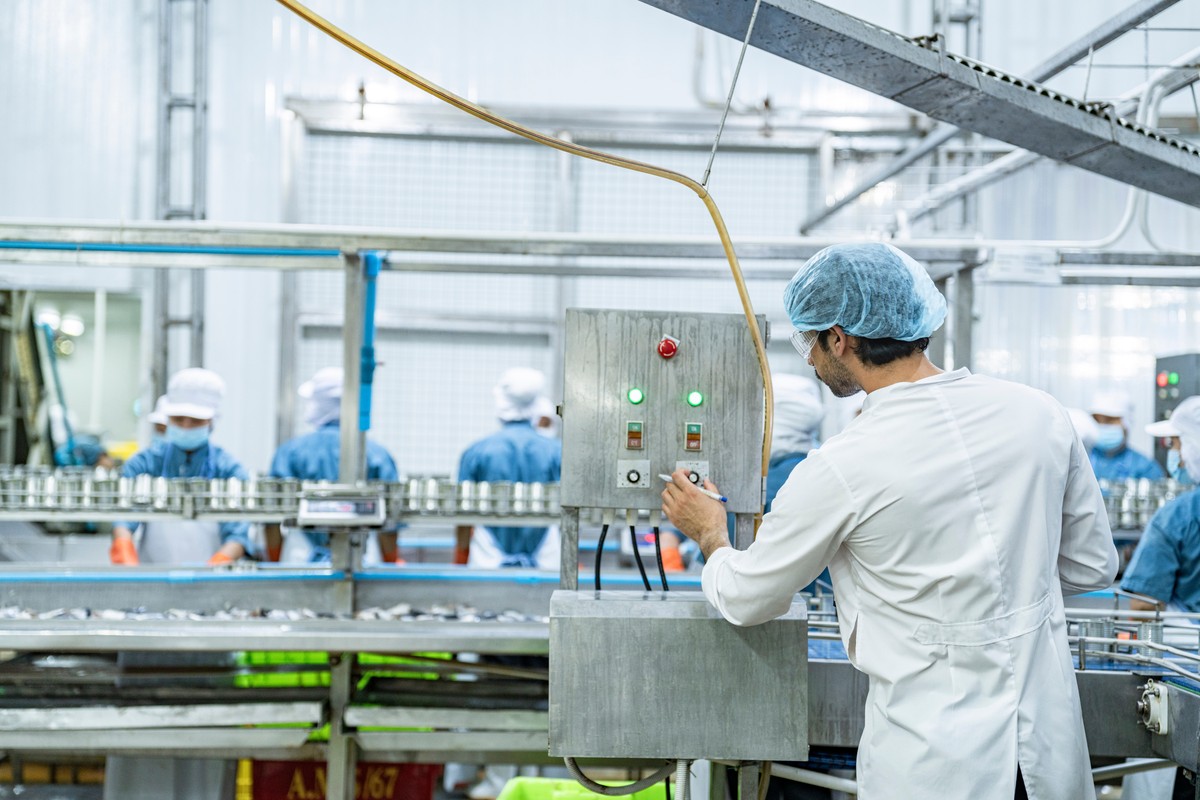
PLN 264 million savings annually by 2040 for the food industry, PLN 96 million savings annually for the paper industry (in the same time horizon) and PLN 89 million savings annually for selected branches of the chemical industry, such as the production of pharmaceuticals. According to experts from the Institute of Reform, such financial benefits, who have devoted a two -part report to the case, may mean the transition of production plants from the indicated industries to the full or partial use of electricity.
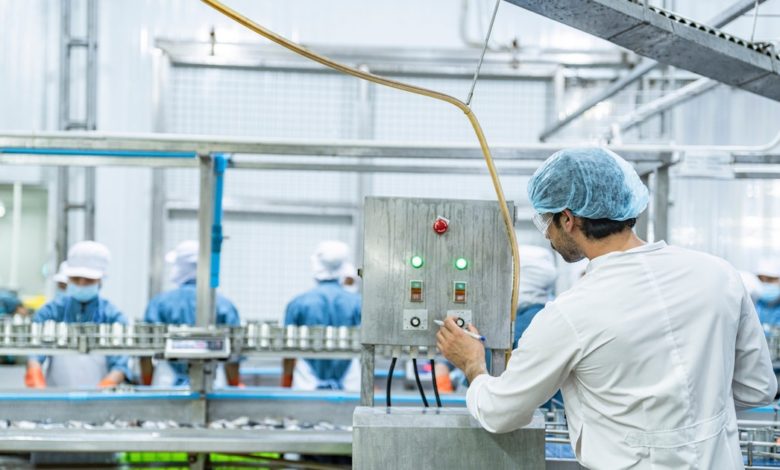
I am talking about factories they use Low and average heat heat (to 100 degrees C and 400 degrees C. respectively), the easiest for electrification using heat pumps. Their participation in a comprehensive balance sheet Polish industry It is considerable – the final energy consumption in food processing reaches about 13.6 percent. This consumption in the entire industry, and the final energy consumption in the paper industry – approx. 11 percent. In the case of the chemical industry, participation in the final energy consumption of the entire industry is as much as 18.6 percent. In 2023, the paper, food and chemical industry in its final consumption scored a result of 16.2 TWh, 24.2 TWh and 31.1 TWh, respectively.
Why should the think-thanku industries even think about electrification and start preparations for it today? In addition to environmental and climate reasons (CO2 emissions from industry in Poland are 60-65 million tons per yearof which about 20 percent There is a chemical industry itself), the main reason is the expected increase in gas prices and problems with biomass availability. ETS2 system, usually discussed in terms of impact on households that will incur higher heating and transport costs, smaller industrial plants will also affectnot covered today with emissions.
Read also: How to spend PLN 65 billion? Consultations of the socio-climate plan are underway
Industry variants
As experts argue, until 2035 the price of gas can double, not to mention the rising costs of coal increasing at faster. As for biomass, its supply may be limited, which will obviously translate into prices. Industry and heating must compete for access to raw material with the wood industry, which is also the matter of the criteria for recognizing biomass as balanced and their unleashed.
Therefore, as Bernard Sweczyna says, co-author of the report and senior analyst for climate and energy policy at the Institute of Reform, “Deep electrification of heat production in industry is possible and profitable in the long run” – Currently, traditional fuels are even cheaper than electricity, but in the perspective of several years the situation will reverse. The start of preparations for electrification is therefore to secure the future competitiveness of Polish industries.
Experts considered various scenarios for three industries, also taking into account the “Business-As-Usual” variant, in which there are no significant changes. Applications are not the same. The analysis shows that both technologically and economically, the food industry is the most suitable for electrification using large -scale heat pumps. With a small share of biomass, savings until 2040 can be in this industry to PLN 264 million per yearand by 2050 – even PLN 511 million.
Views for the production of paper are slightly different, which can also electrify, but, for profitability, only with the simultaneous use of waste biomass, such as wood bark. By 2050, the paper industry could save PLN 170 million annually (and PLN 96 million annually by 2040).
In the case of the chemical industry, electrification using heat pumps is possible in those branches that use low and mediator heat, and means 89 million zlotys savings annually by 2040. With additional low biomass consumption or PLN 51 million, savings without biomass consumption.
Key operational support
Of course, all this will fail without reforms and appropriate support systems. In the opinion of the Institute of Reforms, it is relatively easiest and the fastest to modify the shape of the power fee paid by the industry (to maintain the power market) – its rates are rewarded with energy recipients with a constant daily consumption profile, which hinders the flexibility of those plants that want to work more effectively with renewable sources.
Administrative facilitations, integrating the renewable energy industry, are also dynamic network tariffs or simpler use of a direct line, i.e. connection with a manufacturing unit next to the plant (e.g. solar or wind farm). The Reform Institute also postulates the abolition of subsidies for fossil fuels and proposes to use hybrid installations. Where 100 % electrification is to be impossible or unprofitable, heat pumps or electrode boilers can work alternately, e.g. with biomass boilers or biomethane.
” The biggest barrier for industry electrification are costs today. The production of heat from electricity is worse than in gas, “we read in the report. As we said, in the next decade it is to change, but before this happens, in the opinion of the reform Institute the market must be subsidized.
Importantly, experts clearly emphasize that it cannot only be about investment support, but also for help in the operating costs incurred later. We have already said about rewarding flexibility in energy consumption, e.g. thanks to dynamic tariffs; Another idea is to introduce unilateral differential contracts for electrifying plants. They would apply until 2035, so until the electricity begins to become more competitive. Contracts would cover the industry the difference between electricity costs and alternative costs, e.g. gas boilers.
The EU allows for more help
Operational support, of course, does not exclude investment, but experts indicate that even with non -returnable funding at 50 percent. The total costs of electrified heat production will be high. It is OPEX costs that are to be decisive in the economic account of companies considering transformation.
As we hear from experts, with the length of the investment process, which can last up to ten years, preparation for industrial heat electrification, where it is possible, should start now. Companies that decide to do so will be prepared for changes that await the entire market.
The decarbonization of industry is one of the more difficult elements of the more widely understood green transformation, and the importance of the topic, including to preserve European competitiveness, emphasize subsequent EU documents and strategies, from Draghi's reportby Clean Industrial DealPO recently announced by the European Commission of a new framework for permissible public aid for EU industry.
As Teresa Ribera, Vice -President of the Commission, responsible for the transformation, said on this occasion, “If Europe wants to be a leader in the field of clean technologies, we must act with courage and clarity– – therefore, the new instrument is to strengthen energy efficiency and flexibility, reduce risk for private investments or support the development of low -emission fuels, including green hydrogen.