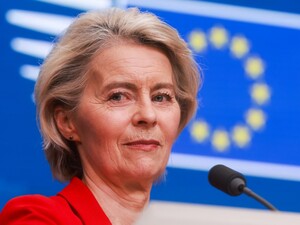
According to von der Leyen, the new package of restrictions will include:
- a complete ban on maritime transport of Russian oil (in coordination with the G7);
- blacklisting another 43 “shadow fleet” tankers carrying Russian oil (their total number will increase to 640) and making it more difficult for Moscow to acquire new vessels and their maintenance;
- blacklisting of another 20 regional Russian banks;
- a ban on the supply of goods to the Russian Federation worth more than €360 million – “from rubber to tractors and services in the field of cybersecurity”;
- a ban on imports from Russia of metals, minerals and rare earth elements worth over €570 million;
- additional export restrictions on goods and technologies used for the military needs of the Russian Federation, in particular materials for the production of explosives;
- introduction of a quota for ammonia to limit the existing volume of imports;
- a ban on the export of any numerically controlled machine tools and radio devices to countries suspected of being re-exported to the Russian Federation.
As the head of the EC said, Russian state budget revenues from oil and gas in 2025 decreased by 24% compared to the previous year, which led to an increase in its deficit.
Russia's oil and gas revenues in January 2026 will be the lowest since the start of a full-scale war against Ukraine, von der Leyen noted.
“This confirms what we already knew: our sanctions are working, and we will continue to apply them until Russia begins serious negotiations with Ukraine for a just and sustainable peace,” the head of the EC said.
Von der Leyen called on EU member states to approve new sanctions against the Russian Federation as soon as possible.