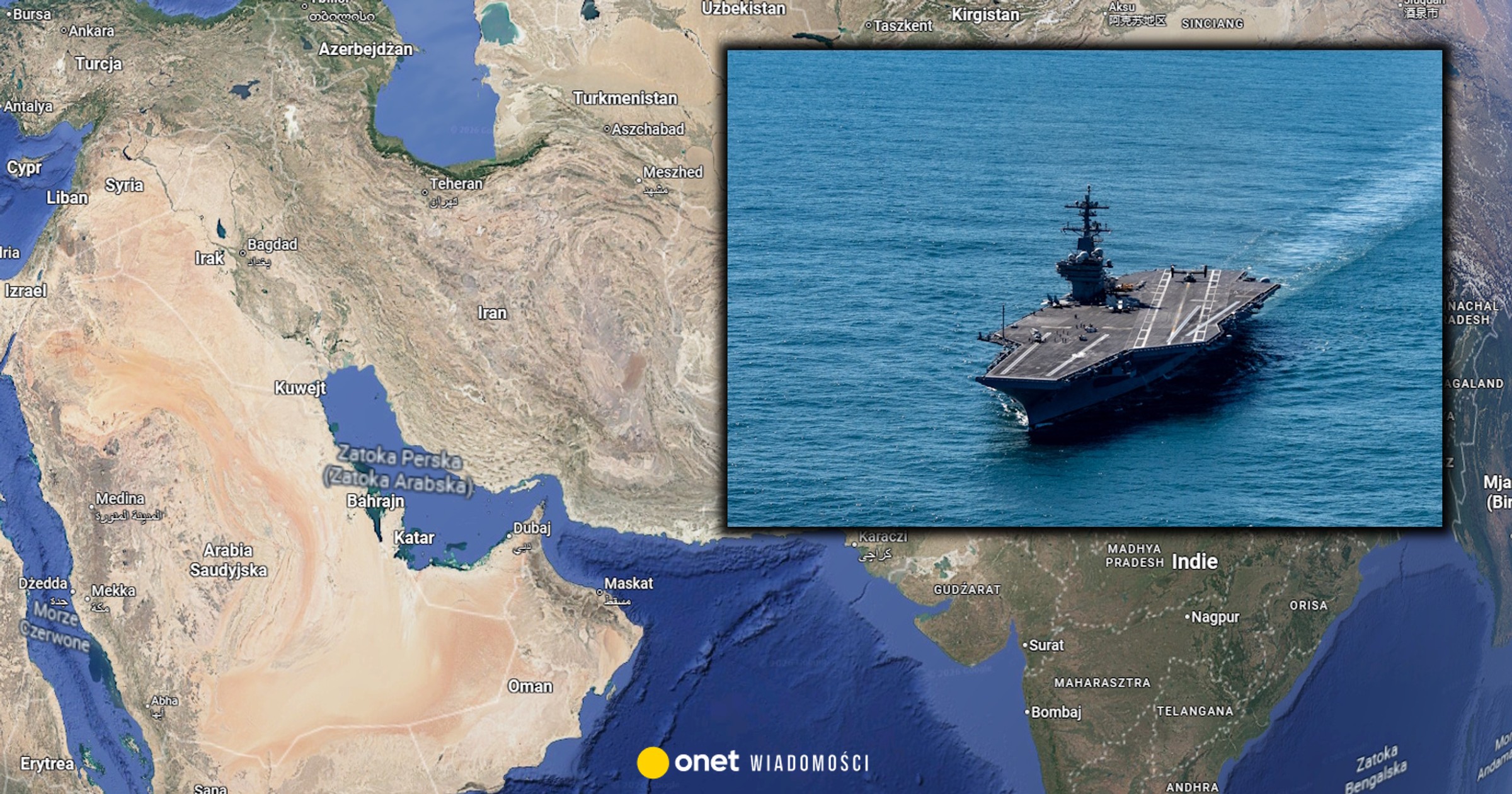
Without the collapse of the Iran regime, Israel's victory in the 12 -day war is under question

The “12 -day war” sounds impressive. Appointing the conflict between Iran, Israel and the United States in this way, Donald Trump achieves two goals. First of all, the US president is trying to end the fights. Secondly, he suggests that these 12 days of war will be a turning point for the Middle East – similar to the six -day war of 1967, when Israel defeated Egypt, Syria and Jordan.

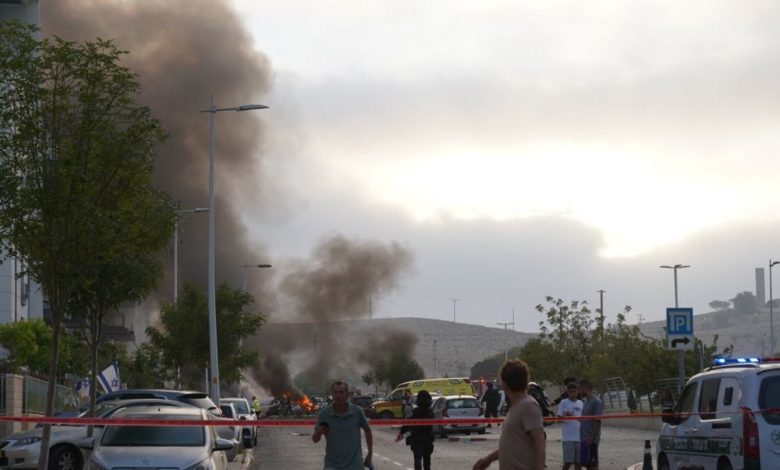
Israeli attack on the Tehran/Photo: X
Will these statements will resist the test of time? A few hours after Trump announced the armistice, Israel accused Iran of his violation – and promised a firm answer. In response, Trump attacked both sides, asking them to withdraw. His availability to publicly accuse the Israeli government of “serious violations” of the terms of the armistice was a notable deviation from the usual US position towards Israel and exposed tensions between Washington and Netanyahu, according to Gideon Rahman, from the Financial Times.
Maybe what's worse has really passed. Or maybe Trump's proclamation of “peace” will prove to be an illusion rather than reality – emphasizing the fact that the United States does not control the situation in the region.
“Although the armistice seems fragile, it could indicate that this conflict is in decline. And yet, most likely, this is just a temporary break in the confrontation between Israel and Iran – and not the new stage that Trump wantsadds the editorialist FT.
According to Rahman, Iran has clearly suffered serious losses. But for now, it remains intact. Instead of changing the vision of the world of Iranian leadership, the conflict has only confirmed its fundamental beliefs – that Israel and the United States are extremely dangerous enemies.
Therefore, the management of Iran will now seek ways to restore its military power and internal legitimacy. Reconstructing Iran's nuclear and missile programs – as well as its regional intermediaries network – it will be an extremely difficult task, but perhaps not hopeless. And Tehran now has more reasons to look for new ways to attack Israel.
Israel and US will have to find other ways to ensure peace in the region
“Without a change of regime in Iran – or a radical rethink of its way of thinking – the victory of Israel in the 12 -day war will remain uncertain. Israel has demonstrated military and impressive information. But at the same time, it became clear that, at the crucial moment, it is still based on the United States. to find other ways to ensure peace in the region ”says Rahman.
However, since the Hamas attack on October 7, 2023, the idea of peace has lost its popularity in Israel. The Netanyahu government, like most probable successors, now adhere to a national security strategy that is based on regional hegemony. This position has been strengthened so far. But for a country with a population of ten million in a region of hundreds of millions, such an advantage will always be precarious.
Trump, in turn, clearly wants to enter history as a peace maker – and has recently reiterated his assertion that he is worthy of the Nobel Peace Prize. The president's close circle has long wanted to develop Abraham's agreements, signed in Washington during Trump's first term, based on which Israel has normalized relations with the United Arab Emirates, Bahrain, Morocco and Sudan.
But the normalization of the relationships between Israel and Iran – two countries that have just waged war and remain fierce enemies – will be infinitely more difficult. Trump's team is lacking and diplomatic influence. Neither the Secretary of State Marco Rubio, nor the special representative Steve Witkoff seem to be Henry Kissinger-i modern.
“The mention of Trump about the six -day war in 1967 has a double implication. Only six years later, in 1973, Israel was again in war with Egypt and Syria.”Rahman concluded.