“I didn't tell him” Daddy “. In what sense Rutte claims to use the word with which he flattered on Trump

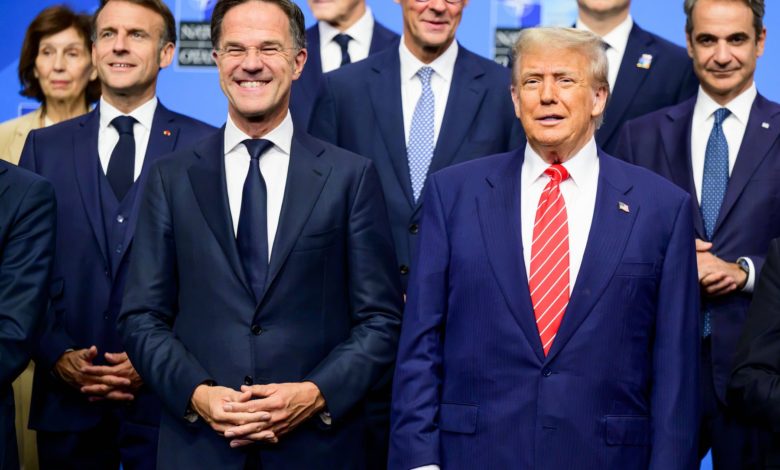
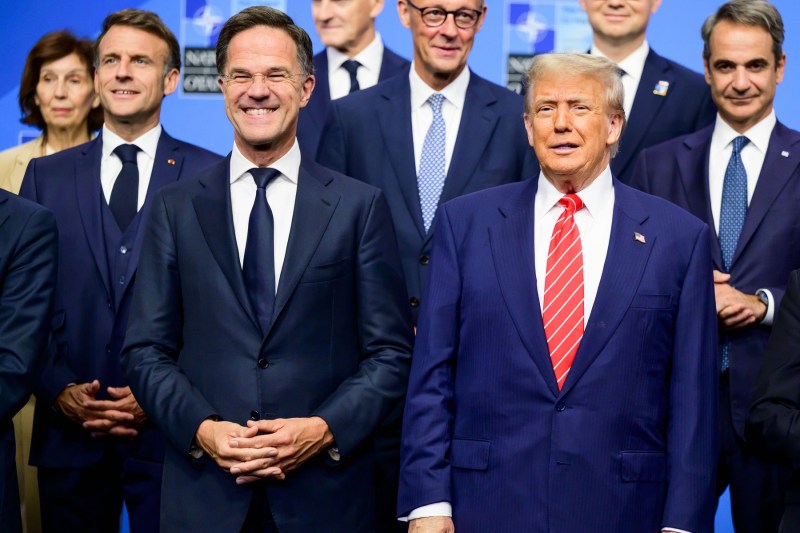
The head of NATO, Mark Rutte, and US President Donald Trump, at the NATO Summit in The Hague, Holland, on June 25, 2025. Photo: IMAGO / IMAGO STOCK AND PEOPLE / Profimedia
NATO Secretary General Mark Rutte denied on Wednesday that he would call the US President Donald Trump “Daddy”) in an earlier interview during the day of the Reuters news agency, writes CNN.
Rutte explained that he used the word “dad” during the short press conference with Trump (in which the White House leader described the conflict between Iran and Israel as a quarrel between two children), because he sometimes hears how certain countries ask the US president if the US will remain in NATO.
“And I said it sounds a little like a small child who asks his father:” Hey, do you stay with the family? ” So, in this sense, I used the word “Daddy” (“Daddy”, no), not that I would have called President Trump “Dad”, continued the NATO chief.
Previously, Mark Rutte offered, during Wednesday's discussions, an unexpected description of how Trump managed the Middle East crisis.
Trump compared the parties in conflict – in this case, Israel and Iran – with “two children in the school yard”, and Rutte intervened with her own analogy.
“They had a big conflict, like two children in the school yard. You know, they fight like crazy. You can't stop them. Let them beat for two, three minutes. Then it's easier to stop them,” Trump said.
“Sometimes, the daddy has to use a hard language to stop them,” the Secretary General of NATO intervened approvingly, in the press conference with Trump.
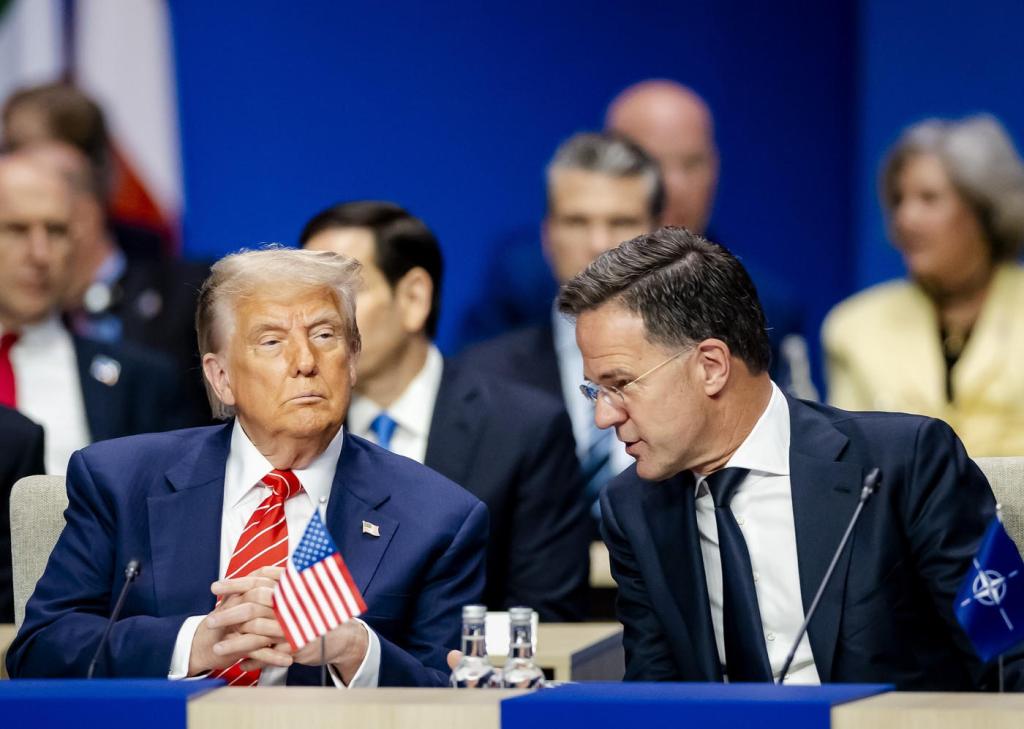 “Sometimes, daddy has to use hard language.” Mark Rutte approves Trump's intervention in Iran-Israel War
Later, Rutte rejected a question about his “weak” and “humiliating” approach in front of Trump, considering it “a matter of taste”, after referring to Trump with the term “dad”.
Rutte, sometimes nicknamed “Trump's tanner”, and chosen as Secretary General including for the good relationship with the US leader, noted during the NATO summit in The Hague through the efforts made to thank the strongest ally.