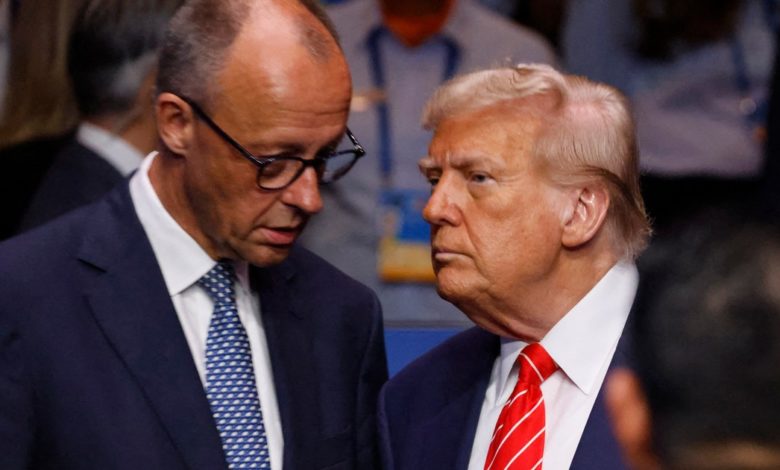
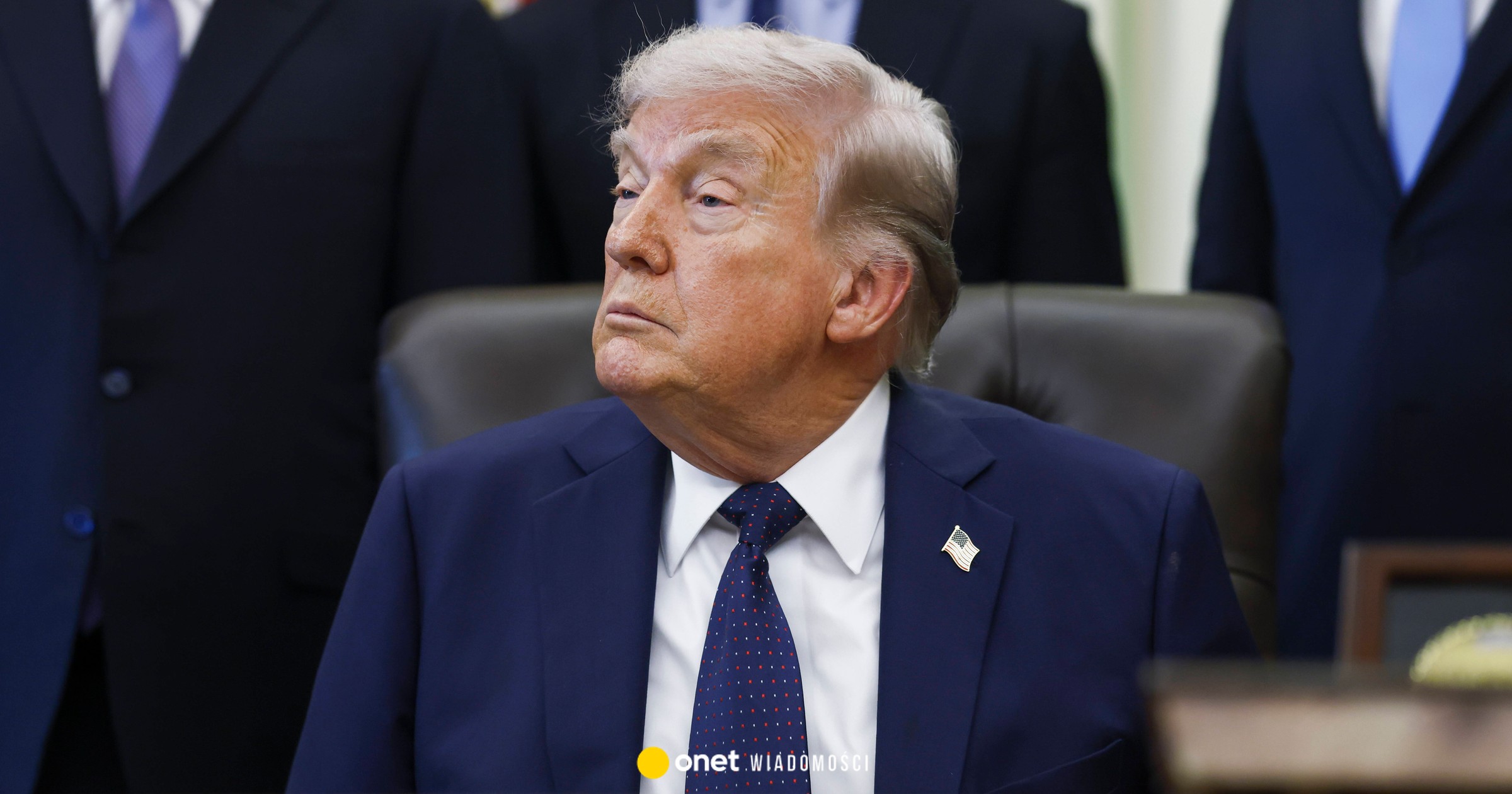
Chancellor comes to his first EU peak full of optimism: Germany was awarded by US President Donald Trump as a kind of role model in terms of defense. He was the sought after interlocutor – even the Turkish president Recep Erdogan was curious about a new man in the Chancellor's office.
Merz had already announced that Germany would like to shape Europe again. Now the new chancellor actually grows into a key character.
Regardless of whether it is about upcoming topics, such as support for Ukraine, migration (deportation centers, protection of external borders), Middle East or competitiveness: Merz had already marked his presence and made the first alliances.
The Chancellor still knows how to rotate in Brussels: he began his political career as a MP to the European Parliament in 1989–1994, including as a delegate for EU relations with Malta. Perhaps this was the basis of cordial relations that Merz maintains with Maltan Roberta Metsola, who as the chairwoman of the European Parliament participates in all EU peaks.
During his inaugural visit to the chairwoman of the European Commission Ursula von der Leyen on May 9 he even said that he felt like he was coming home, to Europe: “I am happy about it” – he said.
There is no EU peak without controversial topics
Merz, however, does not expect an easy task during his first EU summit. Three potential traps are waiting for him.
First of all, more and more EU countries are questioning the EU partner agreement with Israel because of the ongoing war in the Gaza Strip. The main diplomat of the EU Kaja Kallas presented a controversial report in which he accuses Israel of violating human rights obligations. This met with complete misunderstanding in Jerusalem. Merz will probably be at the head of the camp of those who defend the EU partnership with Israel, and opposition from Ireland and Spain is already announced.
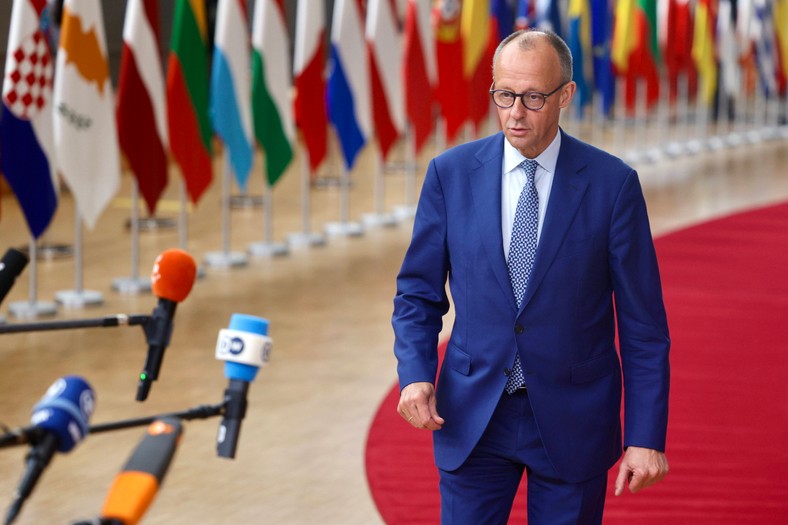
Olivier Matthys / PAP
Friedrich Merz at the EU summit in Brussels, June 26, 2025.
Secondly, Spain is currently a special case: the socialist prime minister Pedro Sanchez, which is under huge political pressure (including corruption allegations against a close collaborator), now he plays the role of a malcontent in foreign policy. Not only because of the refusal to increase defense expenditure, some in Brussels already say about “Viktor Orbanie from the left”.
Continuation of the material under the video
The leader of conservatives in the European Parliament Manfred Weber accuses Sanchez in an interview with Bild that “threatens the unity of NATO's alliance.” “Providing peace is not only a task of Poland or the Baltic States, but also Spain” He said.
And finally, perhaps the biggest threat is that if Merz raises too much expectations during his debut, it will be difficult to keep German “not” for further debt of the EU, while cutting expenses, e.g. on agriculture, during the upcoming budget negotiations for the next years.
The new “E3” format raises distrust in Brussels
Experienced EU diplomats see one more threat: Merz may overtake the chairwoman of the European Commission Ursula von der Leyen. First reason: his open criticism of the European Commission negotiating strategy in the customs dispute with the United States. This is a topic that actually does not lie in his competence.
Second reason: criticism of the so -called “E3” format, which Merz, French President Emmanuel Macron and British Prime Minister Starmer have recently chosen for their military cooperation. Some in Brussels ask themselves whether during negotiations with Iran in Geneva the most powerful woman of Europe was deliberately moved to the side.
I’m Ashley Davis as an editor, I’m committed to upholding the highest standards of integrity and accuracy in every piece we publish. My work is driven by curiosity, a passion for truth, and a belief that journalism plays a crucial role in shaping public discourse. I strive to tell stories that not only inform but also inspire action and conversation.