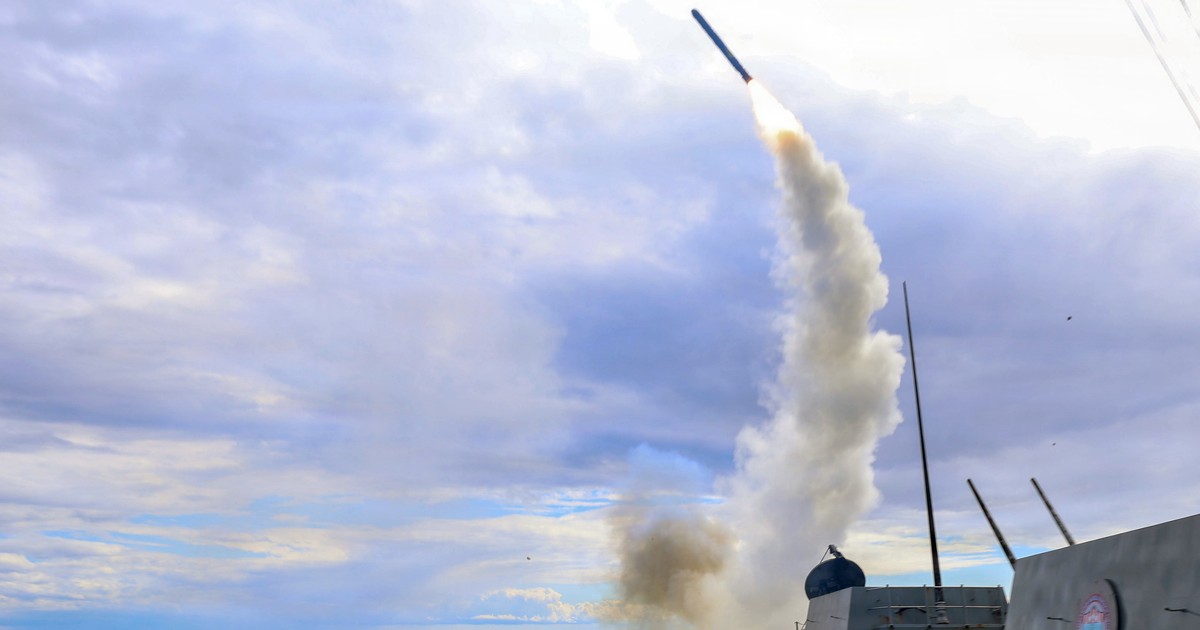
Oil is more expensive after US attacks on Iran. Markets are afraid of the escalation of the war

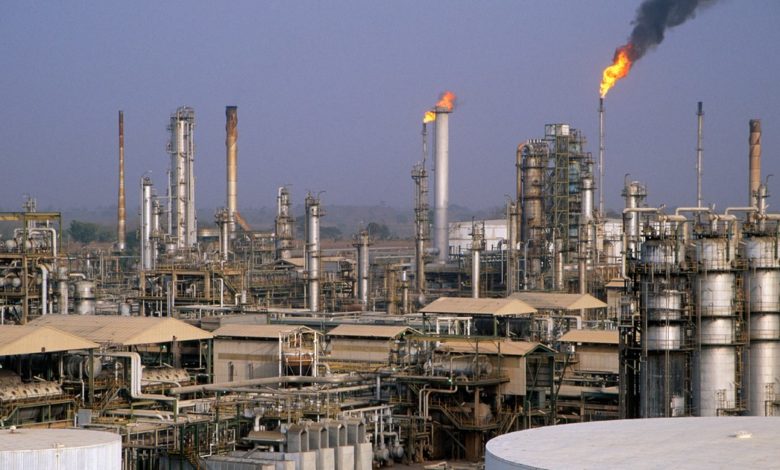

The increase in raw material prices in international markets was particularly visible in the case of Brent oil, whose prices increased earlier by 5.7 percent, reaching the level of $ 81.40. Before the trend turned slightly for the barrel. On the New York Nymex stock exchange, oil contracts West Texas Intermedate (WTI) cost $ 74.71 in deliveries for July, which means an increase of 1.18 percent. In turn, Brent oil at ICE in London recorded an increase by 1.16 percent, reaching $ 77.90. for a barrel in contracts for August.
Armed activities took place from Saturday to Sunday at night. American aviation bombed three Iranian uranium enrichment plants – in Ford, Natanz and Isfahanie. According to the Minister of Defense of the US, Pete HegeSth, these attacks effectively destroyed the Iranian nuclear program. The US President Donald Trump warned that in the absence of Tehran's agreement, further military actions are possible.
In response, the authorities in Iran not only announced retaliation, but also emphasized that the situation would not remain without “perpetual consequences”. The president of Iran, Masud Pezeszkian, during a conversation with Emmanuel Macron, expressed a firm opposition to the attack. Foreign Minister, Abbas Araghchi, stated that Iran reserves the right to take all possible steps to the USA.
Meanwhile, analysts remain divided in assessments, how Iran can respond to the escalation of the situation. The RBC Capital Markets expert, Dr. Helima Croft, suggests that Tehran can choose tactics focused on tanker attacks or key objects, such as Port Fudżajra. – Blocking the Strait of the ORMUZ is unlikely, but even less spectacular actions may be enough to intimidate oil companies and disturb the transport – emphasizes the analyst.
The factor arousing special fears of investors is the possibility of disturbing oil flows by the said Strait of ORMUZ, which is responsible for the transport of about one third of the world production of raw material. Although physical oil flows remain stable for now, the geopolitical situation may change at any time. According to experts, several days or even weeks may pass before we observe the first more specific retaliation on the part of Iran.
“The groups supported by Tehran in the region, especially in Iraq and Yemen, can be involved in activities aimed at energy infrastructure,” notes Croft. As she warned, underestimating difficulties in this situation could be a mistake. – It's hard to say now that the worst stage is already behind us. The situation remains dynamic and unpredictable.
The risk associated with the tense situation in the Middle East is constantly hanging over the markets. Although the lack of physical disruptions in deliveries can temporarily calm investors, further escalation of the conflict may cause significant turbulence on the global energy market.