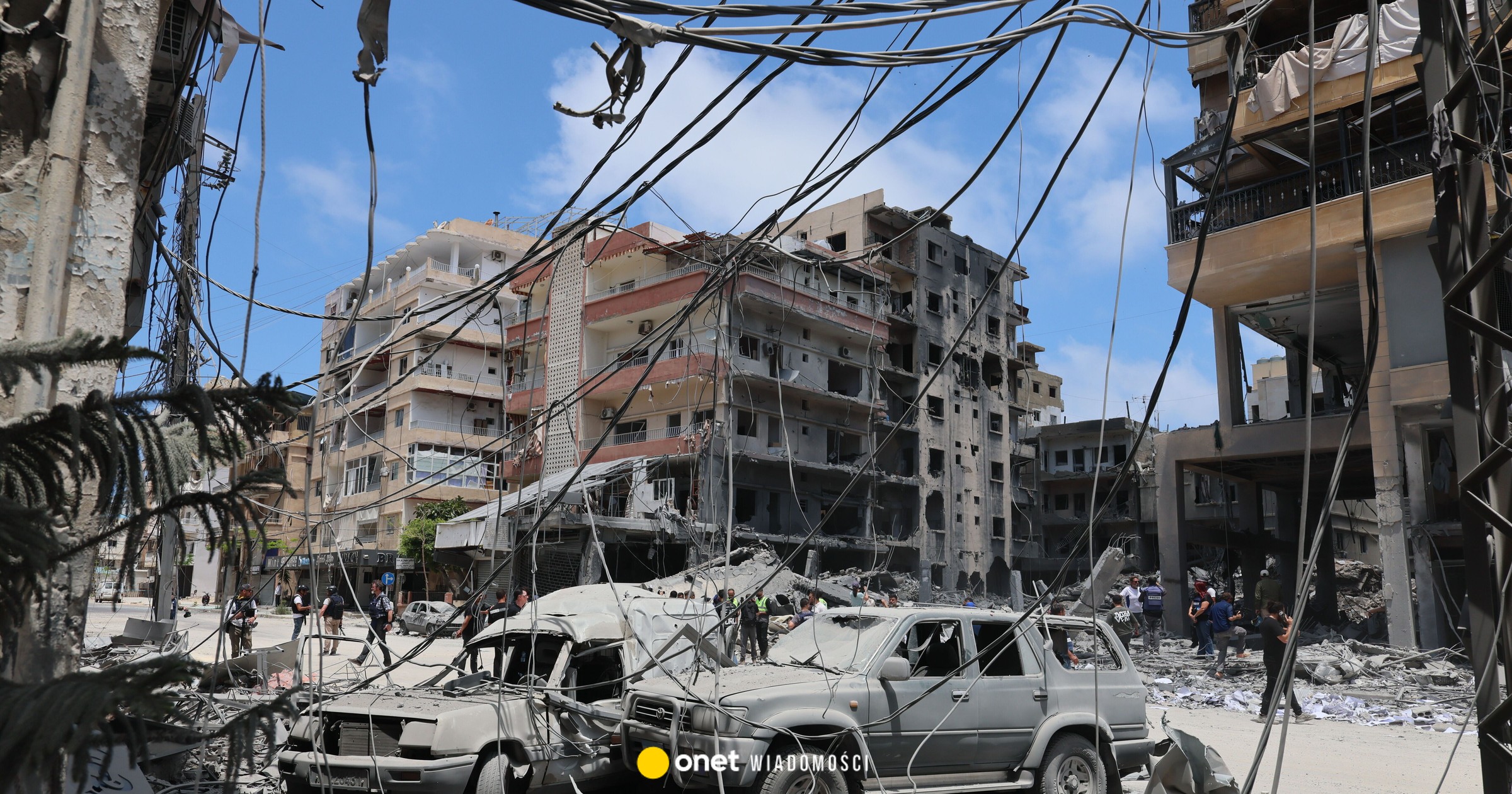
The declared goal from June 13 by Israel extensive attacks is to prevent Tehran's nuclear weapon. Iran, however, claims that his nuclear program does not serve military purposes and deny the accusations of the US and Israel that he has recently accelerated work on the construction of a nuclear bomb.
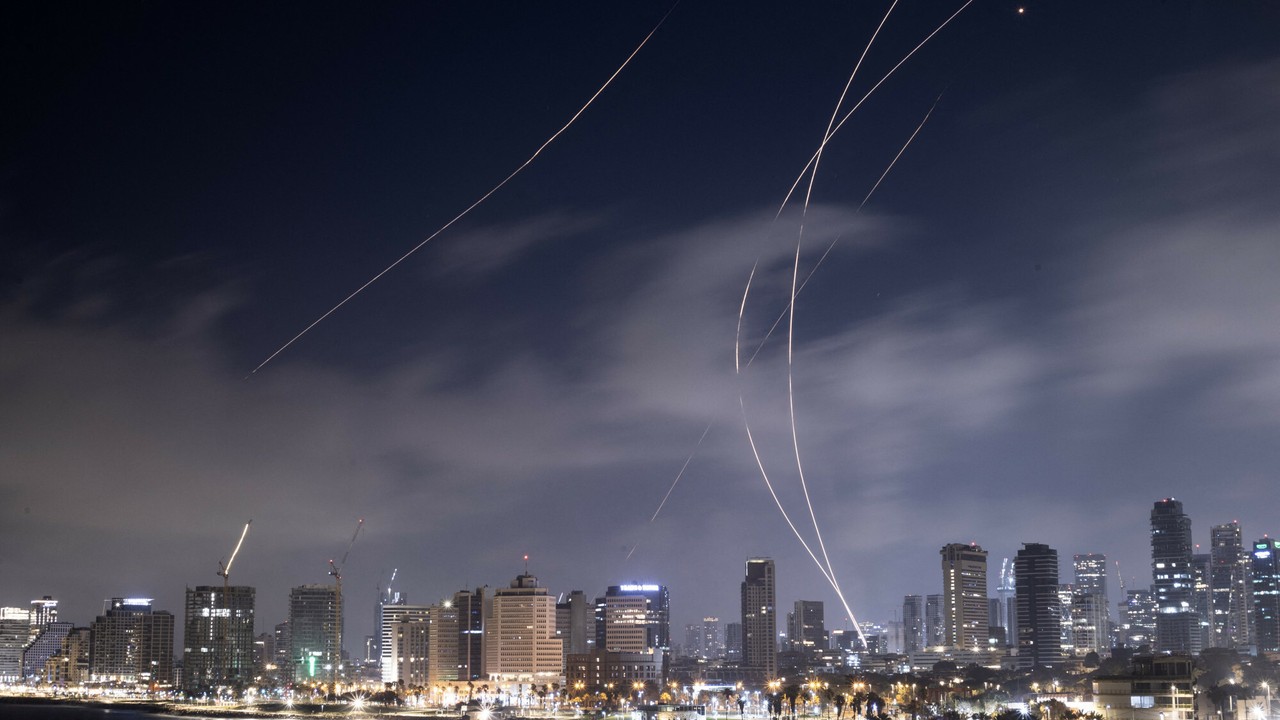
According to the army, Israel managed to bomb, among others Iranian nuclear objects, destroy a large part of air defense and ballistic missile launchers and kill most of the senior military commanders and about 10 important scientists involved in the nuclear program. In response, Iran leads rocket and drone nales to Israel.
The US joined the offensive of Israel
In the North Hammer surgery carried out from Saturday to Sunday, the United States attacked three Iranian uranium enrichment plants in Ford, Natanz and Isfahanie.
In the message delivered later, US President Donald Trump stated that these goals were “razed to the ground”. He called Iran to conclude peace, threatening much stronger attacks.
According to the New York Times, who cited a representative of the US authorities, six American B-2 bombers dropped 12 bombs penetrating MOPs-the largest in the American arsenal- On Ford and two on Natanz and used 30 tomahawk maneuvering missiles for attacks on Natanz and Isfahan.
Iran reacts to Donald Trump's movement
On Sunday, the head of the Ministry of Foreign Affairs Iran, Abbas Aragczi, said that the US attack on Iranian nuclear facilities is outrageous and will have “eternal consequences”. He added that Iran reserves all options for answering an American attack.
“The United States, a permanent member of the UN Security Council, have committed a serious violation of the United Nations Card, international law and the nuclear system (NPT), attacking the peaceless nuclear installations of Iran,” – wrote Aragczi in the post on platform X.
After recent attacks of Israel and the USA, Iran is considering, among others Closing the Strait of the Ormuz, important for global oil transport. The first needed movement was made on Sunday by the Iranian parliament, which decided to close the strait. The final decision in this matter will be made by the Supreme National Security Council of Iran.
Experts warn that its blockage could lead to a global disaster. 20 percent World oil trafficking takes place through this strategic sea trail located between the Persian Gulf and the Bay of Oman.
USA with an appeal to the China authorities
US Secretary of State Marco Rubio assessed in an interview with Fox Business television that the blocking of the Strait of Ormuz would be a great mistake and economic suicide for Iran. The administration official of Donald Trump appealed to China to take action in this matter.
Rubio emphasized that China, as the main recipient of Iranian oil, have a significant interest in maintaining the openness of this trail. – I encourage the Chinese government in Beijing to call them in this matter, because they rely largely on oil supplies by the Strait of Ormuz – pointed out the Secretary of State of the USA Marco.
According to the analytical company, Clarksons Research, which was previously referred to as the Financial Times this week, the growing risk associated with the Iranian-Israeli attacks from June 13 caused that the price of the charter of large tankers by ORMUZ has increased more than twice. The daily cost of charteering a ship transporting 2 million barrels of oil, e.g. from the Gulf of Persian to China, increased from about 20 thousand. hole. Two days before Israel's attack on Iran to over 47.6 thousand hole. on Wednesday.