
The EU makes progress with the plan to ban Russian gases, despite the opposition of Hungary and Slovakia. What will announce on Tuesday

Without Russian gas in the EU. Photo credit: Social Media / Willwest News / Profimedia
Hungary and Slovakia opposed the European Union Plan to prohibit natural gas imports Monday, but Brussels are about to propose a directive on Tuesday, which could be adopted even without the approval of Hungary and Slovakia, Reuters and Agerpres transmit.
The European Commission wants to prohibit imports of natural gas and Russian liquefied gas from the end of 2027.
On Tuesday, the Community Executive will propose a set of measures and will reveal how it will implement, from a legal point of view, this plan for prohibiting Russian gas imports, which it first revealed last month.
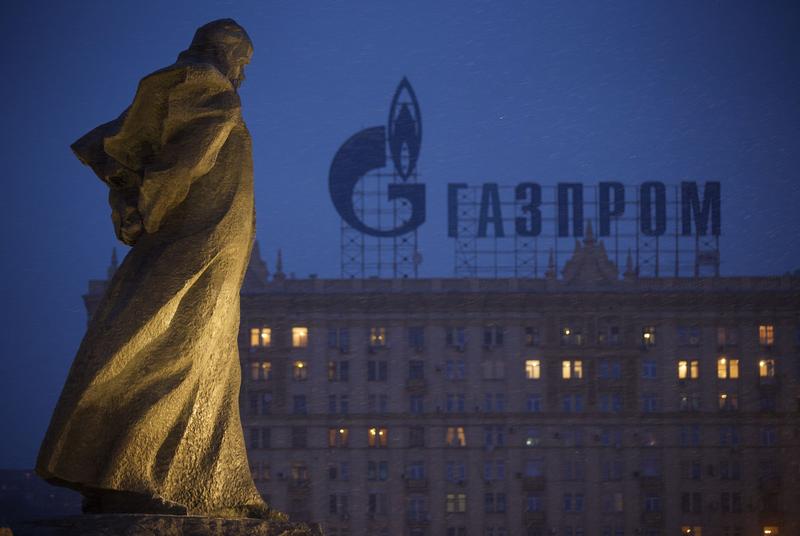 The European Commission will propose to stop all of Russian gas imports in the EU by 2027
However, Hungary and Slovakia have blocked the intention of European energy ministers to advertise a statement in which to express their support for the European Commission's plan, which was supported by the other 25 Member States.
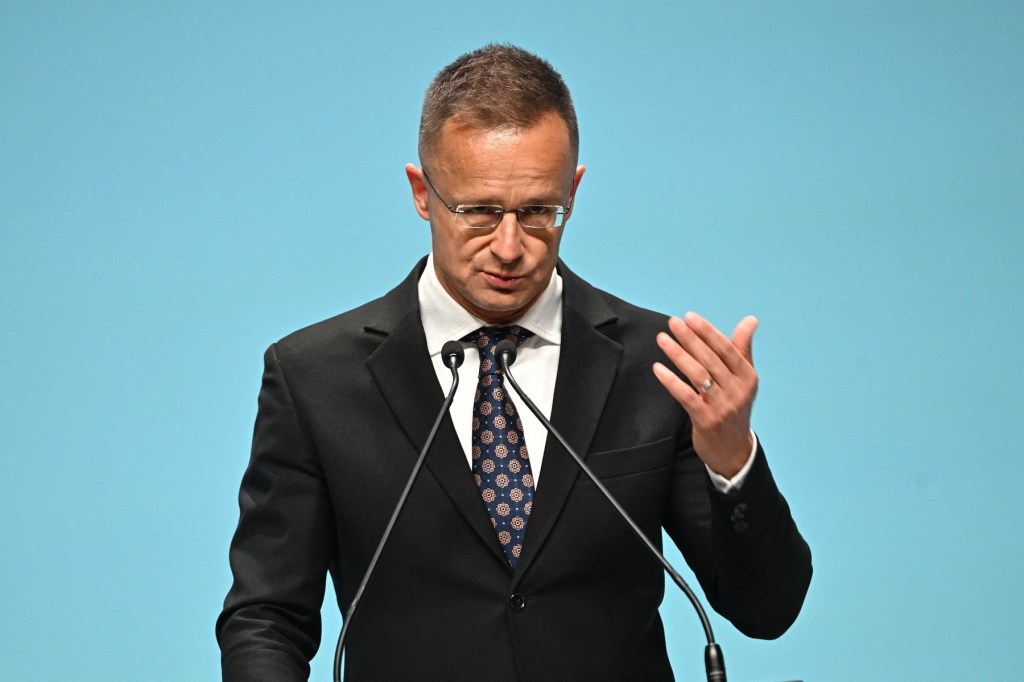
“The energy policy is within the national competence; this endangers our sovereignty and energy security,” wrote Hungarian Minister of Foreign Affairs, Peter Szijjarto in an X post, in which he stressed that Hungary opposed Veto on the common statement.
A spokesman from Slovakia's representation in Brussels confirmed that the neighboring country had done the same.
 Hungary announces that it will oppose the “von der Leyen – Zelenski Plan” and accuses the President of the European Commission of “caused extreme damage”
The Commission intends to propose a prohibition by using a legal base, which will allow them to pass the support of a “consolidated majority” of the member countries and the majority of the members of the European Parliament, according to European officials consulted by the Reuters Agency.
A consolidated majority requires the support of at least 15 of the 27 EU member states, and which will represent at least 65% of the EU population together.
At a meeting with closed doors that took place on Monday, most energy ministers expressed their support, even if some have been worried that the European Commission's plan could create legal risks or financial sanctions for companies that violate the provisions of long-term gas supply, have revealed European diplomats.
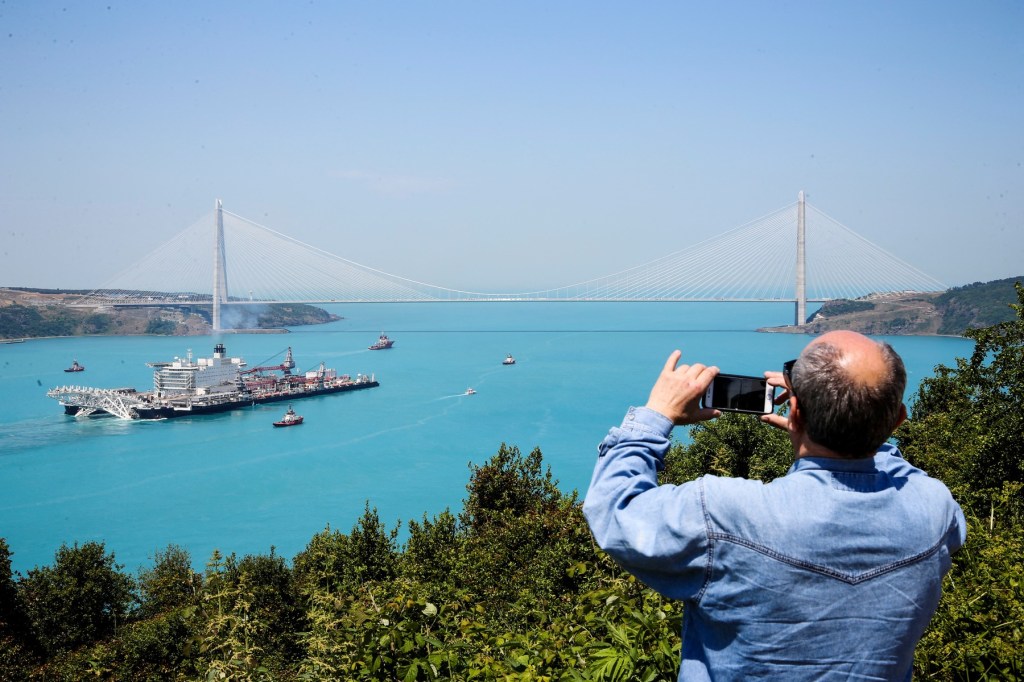 Russia has resumed natural gas deliveries to Europe through Turkstream gas
EU countries recognize that there are “gaps” in terms of energy interconnections
The countries of the European Union acknowledged on Monday that there are still “important gaps in energy interconnections”, despite the advances registered in recent years, a reality that “endangers the achievements of the community block to build a true energy union.”
This fact is mentioned in the document adopted by 25 energy ministers in the EU-Hungary and Slovakia have distanced themselves from this document-in which the European Commission is also urged to imprison priority interconnections in corridors such as the southwest of the block and to approach the technical problems, to complete the financial, Spanish EFE, quoted by Agerpres.
This reference to interconnections is one of the points on which Spain insisted to be included in the text approved shortly after the generalized power outbreak of the Iberian Peninsula, on April 28, which is mentioned in the text.
Specifically, the document emphasizes, following this episode, “the central role that energy plays in society and the need to guarantee supply” with electricity.
“We are waiting for the conclusions of the current investigation, including the role played by interconnections during this incident and during the recovery phase,” writes in the document.
Improving the interconnections between the Iberian Peninsula and France is one of the long -term claims of Spain and Portugal, which, following the power feather, urged the European Commission and Paris, in separate letters, to accelerate the works to improve the energy infrastructures for this part of the community bloc.


