PHOTO The metro station-museum in Rome was inaugurated near the Colosseum. Exhibits presented at a depth of almost 30 meters


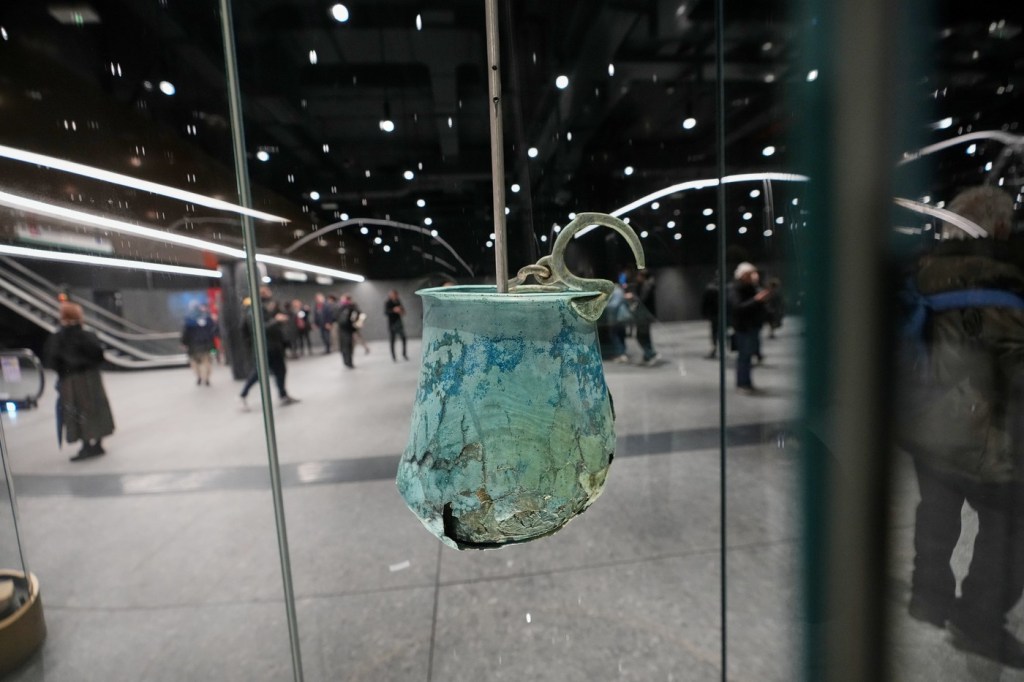
Behind the access gates to the subway, travelers can admire, displayed in showcases, jugs, lamps and other treasures from ancient Rome: the Colosseum station opened its doors on Tuesday at the end of works that lasted 13 years and represented an unprecedented technological challenge, informs AFP, taken over by Agerpres.
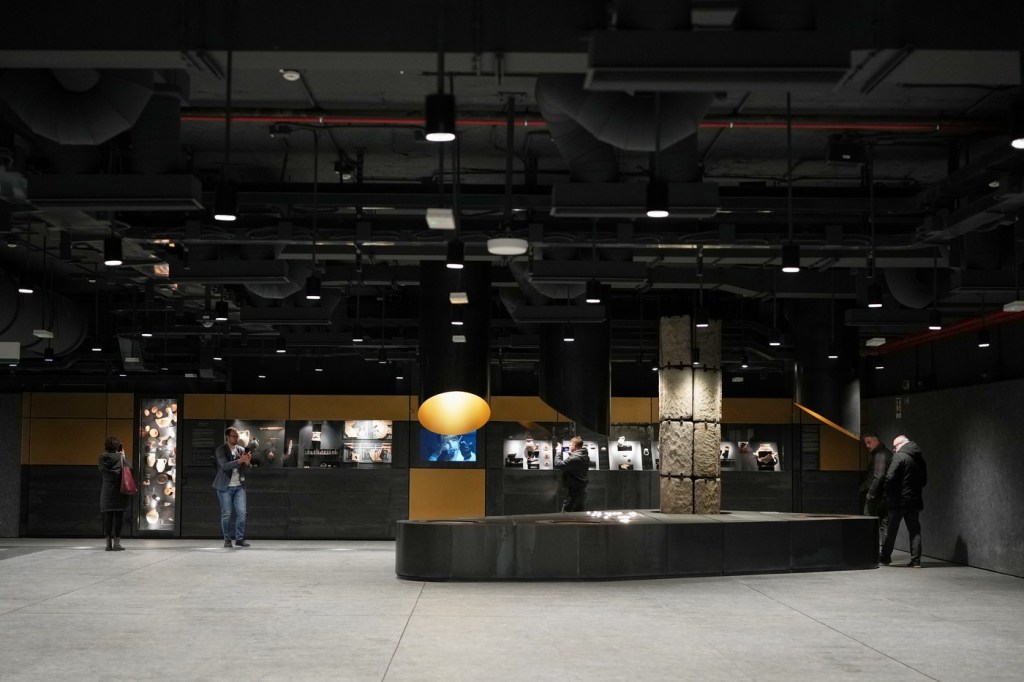
Distributed over four levels and reaching a depth of 32 meters in the heart of ancient Rome, the “Colosseo-Fori Imperiali” station, which is part of the “C” highway of the Italian capital, is the place where modern transport, archeology and engineering intersect.
The result of remarkable technical and archaeological achievements, the new station offers, in addition to the interconnection with the “B” highway, a unique look at an extraordinary heritage, brought to light during over ten years of excavations and which delayed the subway works several times.
In exchange for the cost of a ticket (1.5 euros), the traveler enters an underground museum space, where there are about 350 artifacts: ceramic jugs and lamps, a wooden sword from the 3rd century BC, bronze artifacts, statuettes, etc.
A little further on, a set of private baths that belonged to the residence (“domus”) of a rich Roman, perfectly preserved, testify to the wealth of the districts from the Republican era buried by Emperor Nero in order to build the Domus Aurea after the fire that broke out in Rome in 64 AD.
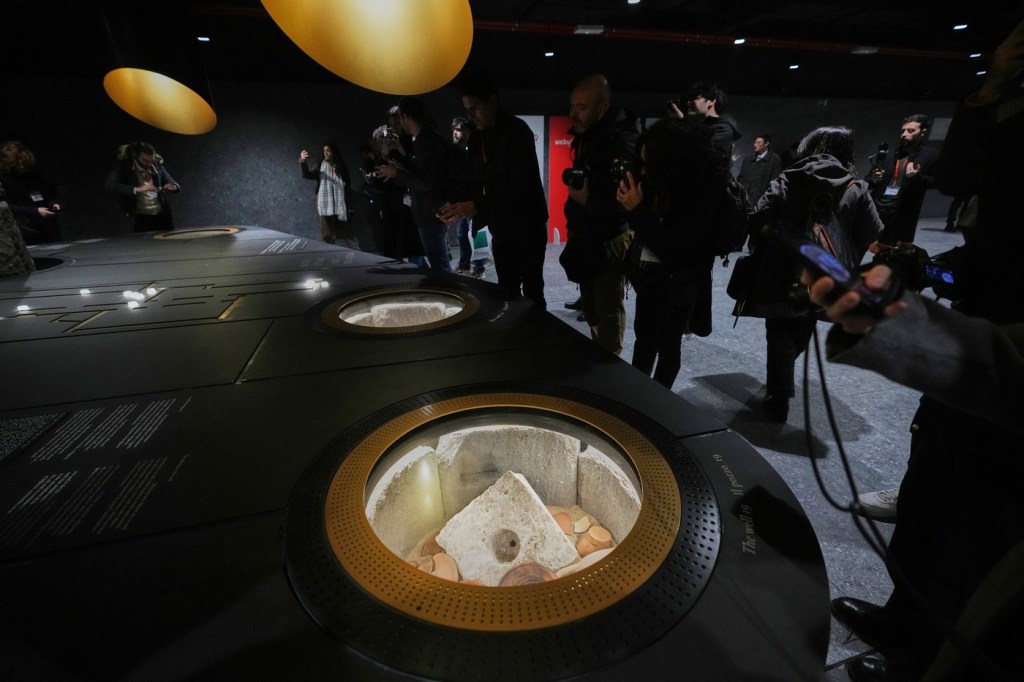
Vestiges from the Roman era
During the Roman Empire, the city was built up in successive layers: temples and forums were built on older foundations before being covered in turn, creating a fascinating research ground for archaeologists. “The most important thing we managed to show is a general perspective (…) on everyday life”, summed up Elisa Cella, archaeologist in the Archaeological Park of the Colosseum.
At the highest level of the station, a triangular opening dug into the ground offers a bird's-eye view of the majestic Roman amphitheater.
Hailing “a historic and extraordinary event” on the occasion of his inaugural visit on Tuesday, the mayor of Rome, Roberto Gualtieri, defended the long and expensive archaeological excavations, which have partially paralyzed the Italian capital, complicating the movement of residents and millions of tourists. “These excavations, these archaeological discoveries are not an obstacle,” he said, considering the works rather an opportunity to bring to light the extraordinary past of the city.
Faced with the unique geological complexity of Rome, the C highway adopted a descending archaeological technique, developed especially for the stations in the historic center: this method consisted in the installation of intermediate slabs as the excavations progressed, from top to bottom, thus guaranteeing the stability and continuity of the structures.
Also inaugurated on Tuesday, the neighboring station Porta Metronia, located in the immediate vicinity of the Aurelian Wall, revealed a vast military complex, dating from the 2nd century AD, from the time of Emperor Trajan, and consisting of a residence decorated with frescoes and mosaics.
The structures were carefully dismantled, restored, and then reinstalled in a dedicated space, which visitors will be able to admire from the height of a raised walkway. “Rome built on itself. In certain neighborhoods (…), the archaeological level exceeds 20 meters, in other cases, it is more superficial, as certain modern urban planning interventions lowered the level to level the land”, explained Simona Morretta, responsible for the excavations and the Porta Metronia museum.
Launched in 2007, the construction site on highway C, which connects the northeast and southeast of the city, faced numerous delays due to successive appeals by opponents, as well as numerous archaeological discoveries made during the works. After it is completed, the highway will have 31 stations, spread over 29 kilometers.