Israel hit Iran with unprecedented force and magnitude. Why now? / The great question mark left after the surprise attack

Israel has promised for years that it will not allow Iran to obtain a nuclear weapon. Now, Benjamin Netanyahu, the most powerful supporter of a military attack, believed that the time to put this promise has arrived, write BBC, New York Times and Times of Israel.
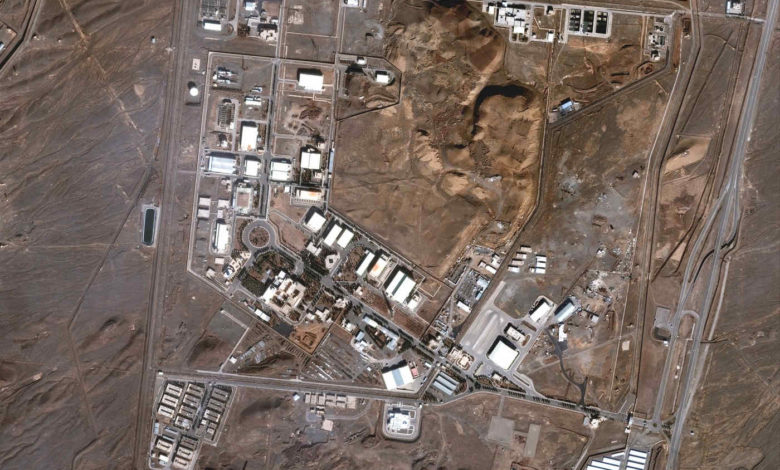
Israel attacked a series of targets in Iran on Friday night and managed to practically decaize the country's military leadership and especially to seriously hit the Natanz Uranium enrichment plant, while killing at least 78 civilians, especially in Tehran.
It was, according to the Israeli press, an attack prepared for years, which used not only waves of airplanes, but also strokes inside Iran, thanks to well -trained actions by Mossad.
In a statement given to advertising shortly after the operation of the operation, Prime Minister Benjamin Netanyahu justified the unprecedented attack, saying that it is a matter of survival of Israel.
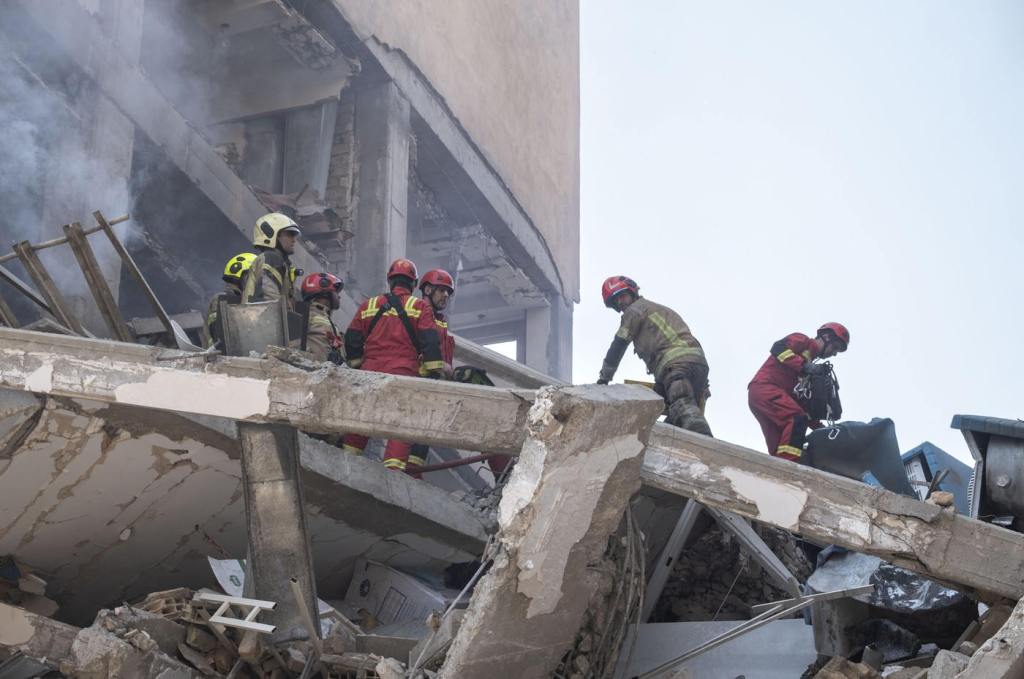 Live Israeli attacks continue in Iran. New blows Friday night / 78 dead at Tehran / Military leadership, decimated / Israel sees a “long -term” operation – Video
He said the operation will “continue as many days as necessary” and stressed that Iran has taken measures for “arming” in recent months and that, “if not stopped, it could produce a nuclear weapon in a very short time.”
Observers stressed that Israel used an opportunity window offered by the weakness of Tehran in the region, especially Hezbollah, and Donald Trump's more indulging position, compared to his democratic predecessors.
The attack, writes the New York Times, could not only slow down the Iranian nuclear program and derail the diplomatic negotiations between the US and Iran, but also to strengthen the legacy of Benjamin Netanyahu.
Target number 1: Natanz
The satellite images published after the attack showed significant damages in two areas of the Natanz site: the electrical substance that supplies the enrichment plant above the ground, which houses hundreds of centrifuge, writes The Guardian.
The installation in Natanz is the place where Iran has produced most of its nuclear fuel – and, in the last three years, much of the fuel reached near the level needed to build a nuclear weapon.
Could it take days or weeks to answer one of the most important questions about the attack on Iranian installations: How long did Israel delayed the Iranian nuclear program?
For now, the information is contradictory.
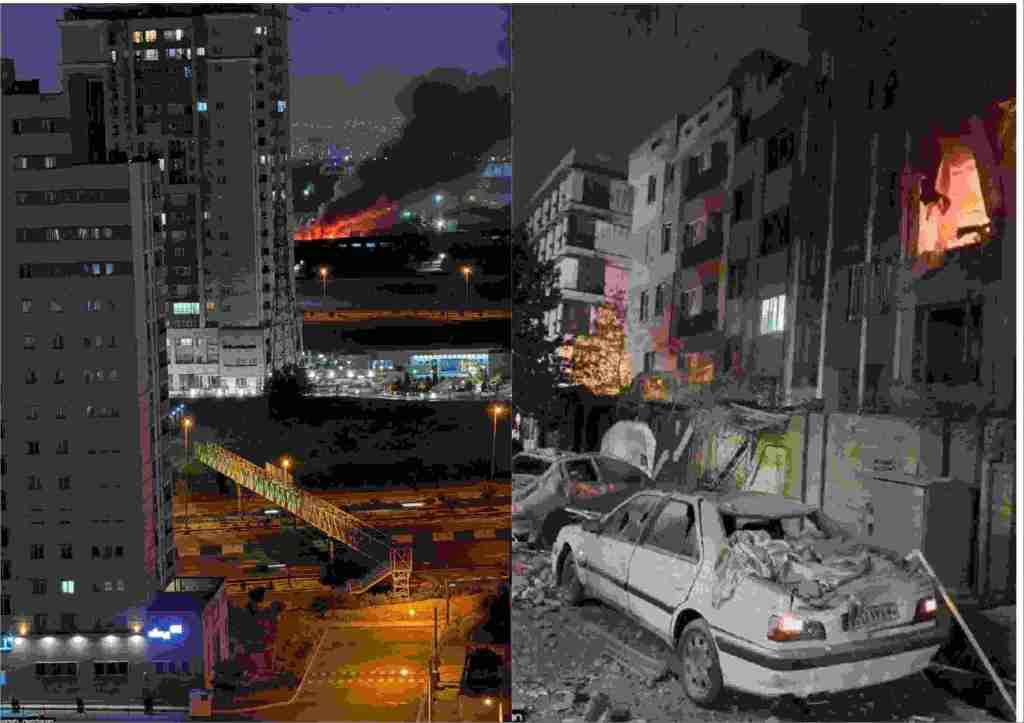 A secret base of drones located by Mossad near Tehran and six waves of air raids: how did the massive attack of Israel and what follows after the surprise that upset Iran
According to the Israeli army, the air strokes destroyed the underground section of the site, in which there was “a multi -level enrichment hall that housed centrifuge, electric chambers and other support infrastructures.”
The blows also destroyed the “critical infrastructure that allows the continuous functioning of the site and the advancement of the Iranian regime nuclear project.”
The Iranian atomic energy organization said that most of the damages caused by the Israeli air strokes that targeted its underground installation of Natanz uranium enrichment are at ground, AFP reports.
“Most damages are at the level of the surface,” said the organization spokesman, Behrouz Kamalldi, adding that there was no “victim” at the installation where the enrichment centrifuges are housed.
Israel saw an absolute emergency
Israel, writes Jerusalem Post, has prepared for this event since the 1990s, when Amos Gilead, the head of the IDF research division, identified Tehran's intention to acquire military nuclear capacity and informed the Prime Minister, Yitzhak Rabin.
From that moment, Israel has repeatedly warned the international community on this topic, and Meir Dagan, the director of the Mossad, received instructions from Ariel Sharon to do everything possible to strike the Iranian program.
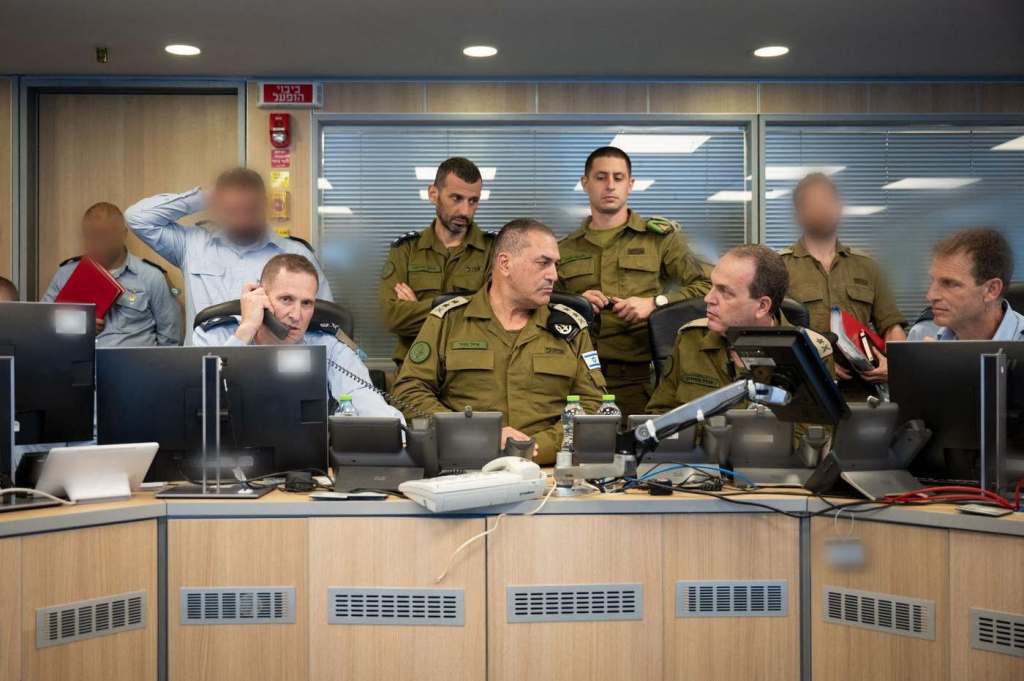 “A perfect smoke curtain.” How the Israelis fooled the leaders of Tehran, before the devastating attack of this night in Iran
Israel has managed to delay the nuclear project of Iran by about twenty years, through various movements, including a computer attack or the assassination of scientists. A power of the size of Iran should only need a few years, once deciding, to build a bomb.
But discussions about the need for a blow on nuclear installations remained constant on the table.
Netanyahu has repeatedly warned that Israel will not allow Iran to obtain a nuclear weapon and pronounced against the nuclear agreement concluded by Washington with Tehran during Barack Obama's administration.
In order to emphasize the renewed emergency, a high Israeli military official recently told the BBC that there is information that Iran would have enough materials to manufacture 15 nuclear bombs in a few days.
With eyes on negotiations
But it could exist, writes the BBC, and a very different factor in the game.
Negotiations between the US and Iran on an agreement on Tehran's nuclear program were to enter the sixth round. There have been contradictory signals regarding the progress made in this regard.
For Netanyahu, however, he writes BBC, he may have believed that this is a crucial moment to ensure that what he considers to be an unacceptable agreement will be stopped.
The moment was how it can not be more suitable, with Iran in a vulnerable situation.
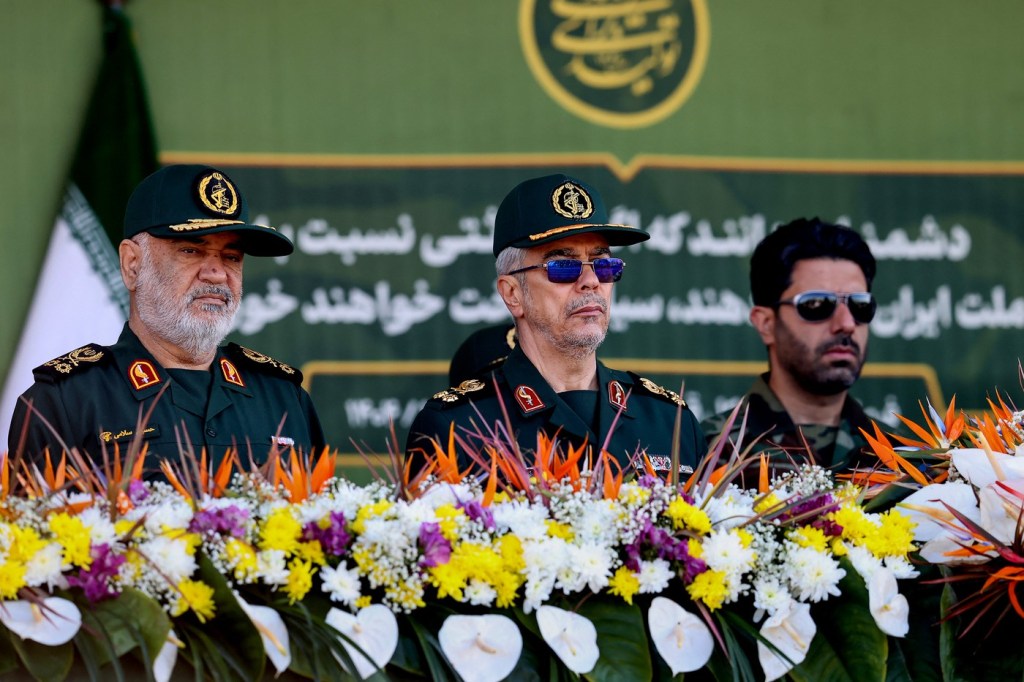 The attack of Israel beheaded the Iranian army. The most important generals were “martyred,” says Ayatollah Khamena. About whom it is about
From a military point of view, Netanyahu and his advisers could have considered that not only Iran, but also his allies in the region-especially Hezbollah-were weakened to such an extent that the threat they once represented is no longer as strong.
Iran itself was more vulnerable to air attacks. Last year, an Israeli attack has largely destroyed the country's anti -aircraft systems, leaving the hunting raids free.
The following hours and days will show whether this evaluation proves to be correct or if it is a dangerous calculation error.
Netanyahu's legacy
The military attack on blocking the nuclear program has long been Netanyahu's favorite option.
“For him, this is personal – he has been talking about it for 25 years,” said Nadav Shtrachler, former counselor of Netanyahu and Israeli political analyst.
“This is the overall image he followed. This is his legacy,” he said.
Netanyahu planned a large-scale attack on Iran more than a decade ago, during a previous term of prime minister. But, finally, canceled under the pressure of the Obama administration and against the background of his cabinet on Israel's military capabilities.
Finally, the choice of President Trump has widen the opportunity window. Although Trump pursued a diplomatic agreement with Iran and even asked Mr. Netanyahu to postpone the attack, the president sometimes seemed more willing than President Biden to consider the idea of an attack.
“From a diplomatic point of view, Trump's election offered Netanyahu a president willing to rhetorically support a credible military threat,” said Michael Koplow, an analyst at Israel Policy Forum, a research group in New York.
In any case, Donald Trump applauded the attack and used the time to threaten Iran that if he does not accept to give up the nuclear program, things will get worse.
Political points
Internally, Netanyahu would have to win an attack on Iran.
His reputation as a guardian of Israel's security was affected by Hamas attack on Israel of October 2023, the worst security in the history of Israel.
If the Friday attack seriously reduces Iran's nuclear program, analysts said, Netanyahu could strengthen their national position before next year's general elections.
“Netanyahu wants to start the election year with a visible advantage,” said Netanyahu's biograph for the New York Times Mazal Mazal, for the New York Times.
“Instead of carrying out the responsibility for October 7, he wants to be able to serve his role in the history of Israel as a state man who has defeated the Iranian nuclear program,” said Muram. “But all this depends, of course, on the way things will evolve,” she noticed.
Question marks
Israel's attacks have passed beyond nuclear installations. They also had the purpose of decapitating the military and nuclear management.
For years, Israel has individually targeted the most important scientists in the nuclear field. Some were killed by bombs planted on the doors of their cars.
The head of the country's nuclear scientists was killed in a robot assisted murder.
But some of Thursday night's attacks seem to have destroyed their premises and homes, as part of an obvious effort to kill the mass staff.
An enigma that still plays on the attack is whether Israel has tried to hit or if he will try to hit the deepest and best -protected installation between his stretched nuclear complexes: the enrichment center called the Fordo, writes New York Times.
 “They spoke with courage, but they didn't know what would happen. Now they are all dead.” Donald Trump, message to Iran, after the wave of attacks launched by Israel
It is on a basis of the Islamic Revolutionary Guard and is located deep within a mountain, according to Rafael Mariano Grossi, the general director of the International Atomic Energy Agency, who visited the place.
“If you do not destroy the fort,” the New York Times Brett McGurk, who held the Coordinator for the Middle East for several American presidents from both parties, has told them.
US officials have said that Israel does not have bombs capable of destroying bunkers to reach that installation, where Iran's most advanced centrifugal were installed.
And if the Fordo survives the attacks, then there is a great chance that the key technology of the country's nuclear program will survive with it.