A surprising consequence of the “explosion” in the field of AI – the polluting technologies that can support the huge databases come back to a great search.

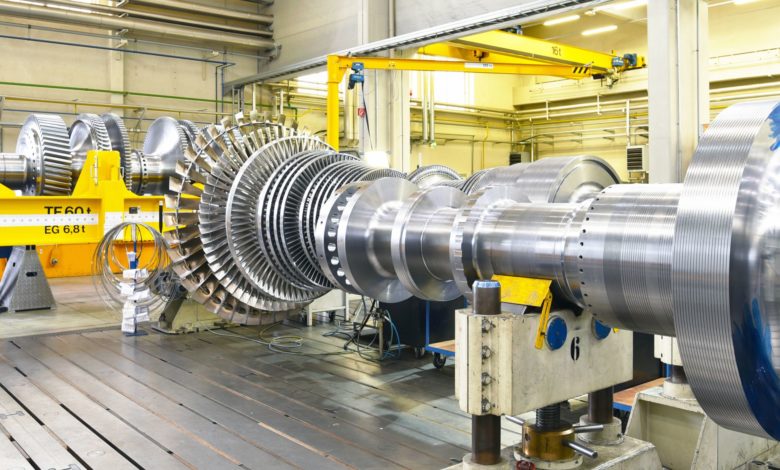
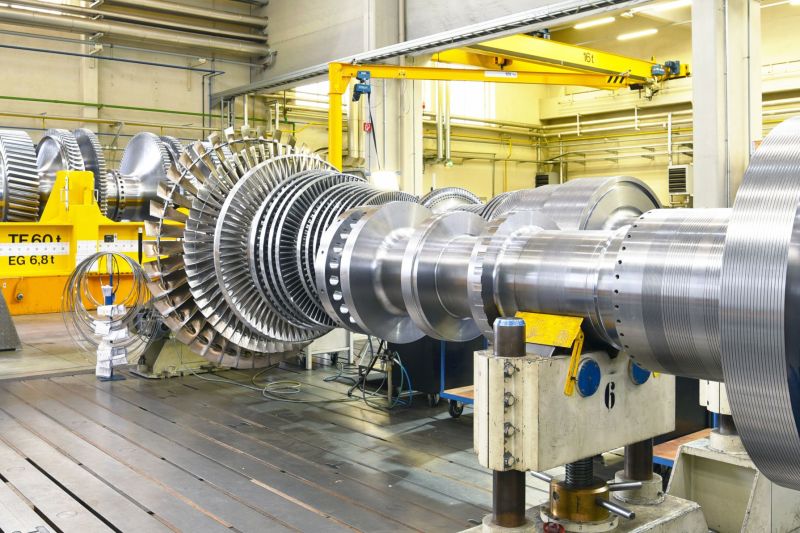
Turbine (photo source industryviews, dreamstime.com)
The lightning growth of the segment creates an energy crisis and the companies that operate data centers are increasingly choosing damage that are polluting, but quickly to be applied.
Although discussed about zero -term energy sources, the short -term reality is that the gas turbines return to the US, moving the decarbonization objectives in the second, a Bloomberg analysis shows.
If the first data center of the huge Stargate project will be completed next year, according to the plan, the gigantic complex will need a lot of electricity, the equivalent necessary to supply 300,000 homes. However, the big problem is that getting that energy is not as simple as a network connection.
The urgent need for energy to support the rapid developments in the field would bring to the fore a type of gas turbine that had long been abandoned, due to its inefficiency and the high degree of pollution. In addition, there is a critical gap between the expansion of the current state of the US energy sector that does not keep up with the rapid developments in AI.
The next three years are essential for the extension of calculation capacities for artificial intelligence, and Tech companies – which had previously promised rapid transition to “green” energy – are now in a hurry to build huge size databases.
Some “Data Centers” can use nuclear energy to cover the increasing need and have been signed partnerships in this regard, but many data centers do not have easy access to this energy source, so gas is more and more often chosen, being preferred by combined cycle.
The demand for such gas turbines has increased a lot and some companies that produce such industrial aggregates have orders for the next 3-5 years and has not been such a high demand on the market two decades ago.
You can read about gas centers about gas centers here, and you can read on an Texas project on Inside Climate News.
Photo source: dreamstime.com