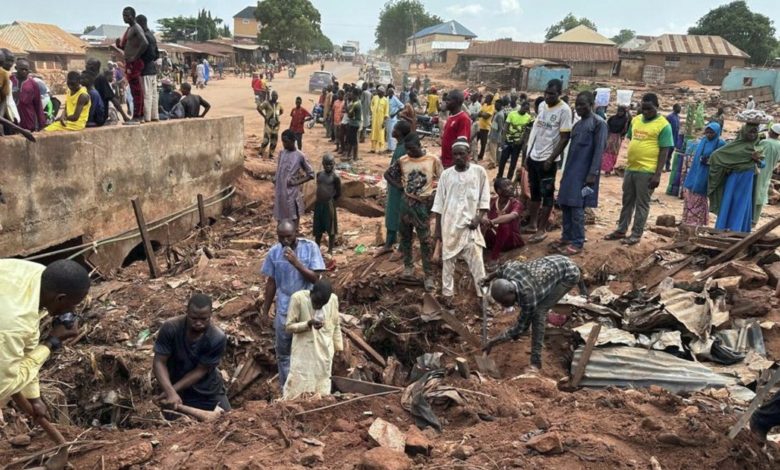
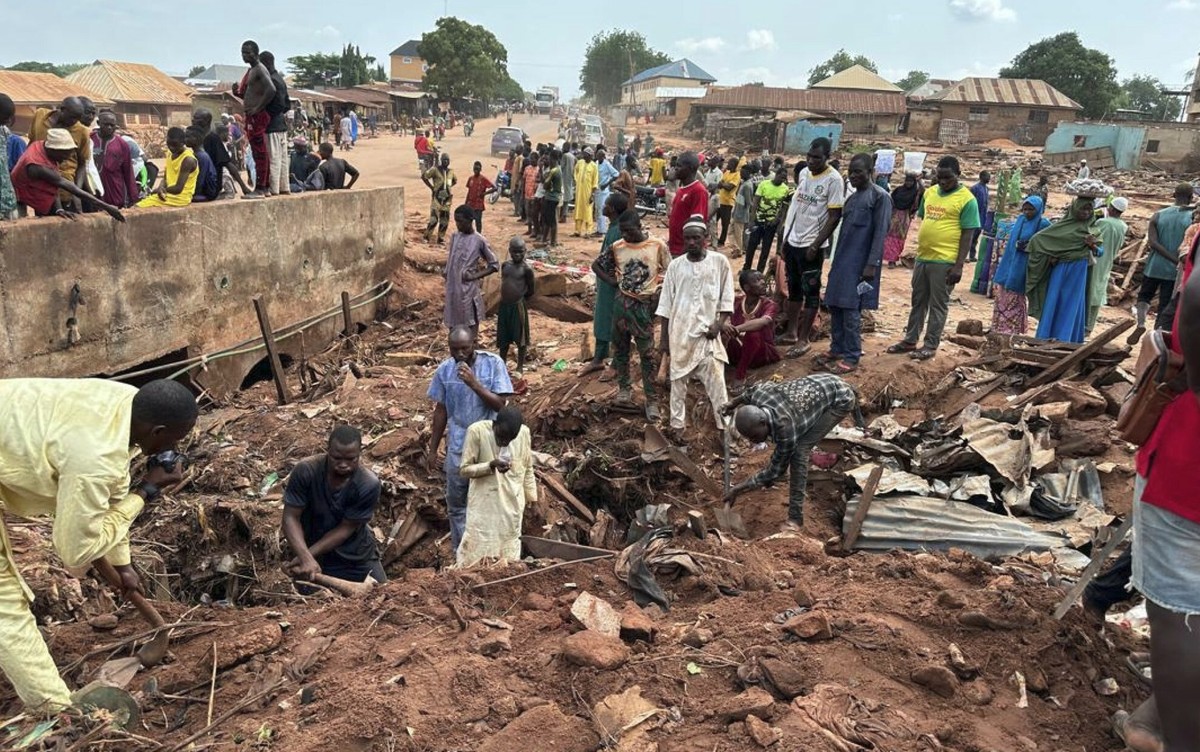
The disaster took place on the night of May 28-29, when five -hour storm rainfall fell over Central Nigeria. The rain began around 3:00 in the morning, when most of the inhabitants sleptflooding the low -located districts of Tiffin Maza and Angwan Hausawa within minutes. Many people were killed in their own homes that collapsed under the water pressure or were lifted with the current to the nearby Niger River.
Over 3,000 houses were found under water, two bridges collapsed, and the two main roads were literally sought out of the landscape. Restoring the passage of the abuja trail – ilorin will last for weeks.
According to Nem (National Crisis Management Agency), at least 3018 people were resettled, although local sources talk about 6,400 internal refugees.
President Bola Ahmed Tinubu announced immediate humanitarian support, including temporary shelter, food and water treatment sets. The Red Cross teams set up drinking water tanks to stop the outbreak of the cholera epidemic, and the medical services began to extract bodies from the heaps of debris to prevent them from rotting in tropical heat.
Where did such a powerful flood come from?
First of all, the weather itself is responsible. We are only at the threshold of the rainy season, and the West African monsoon moves north, carrying moist, hot air masses.
Last week, Guardian recorded rainfall and temperatures up to 10 degrees Celsius below the climate norm, what It favored many hours of heavy storms over the state of Niger.
Secondly, extreme rainfall is becoming more frequent throughout Africa. According to the latest IPCC report, the frequency and intensity of strong rains in Sub -Saharan Africa It grows with the warming of the climateand model projections indicate a further increase in the following decades.
The inhabitants of Mokwa also point to the “human factor” – a presumed failure or a violent drainage of water from a JEBBA dam located several dozen kilometers higher. Although the federal authorities have not confirmed this version, the controlled shots from JEBBY and Caine repeated in recent years have repeatedly caused local flooding – and this time they converged with record rain.
The tragedy was also deepened by the buildings of the flood terraces of the Niger River and Chronic lack of investment in drainage systems. As the Nigerian Meteorological Agency (Nimet) reminds, this is the sixth flood in Niger from the beginning of the year. The previous ones caused both intensive rainfall and planned plumbing from the hydroelectric plant.
The services announce further work on removing the rubble and the search for bodies, and The rainy season will last until October. Analysts warn that without modernization of dams, early warning systems and better spatial planning, similar cataclysms can become a grim norm in Nigeria, not a “flood of century”.