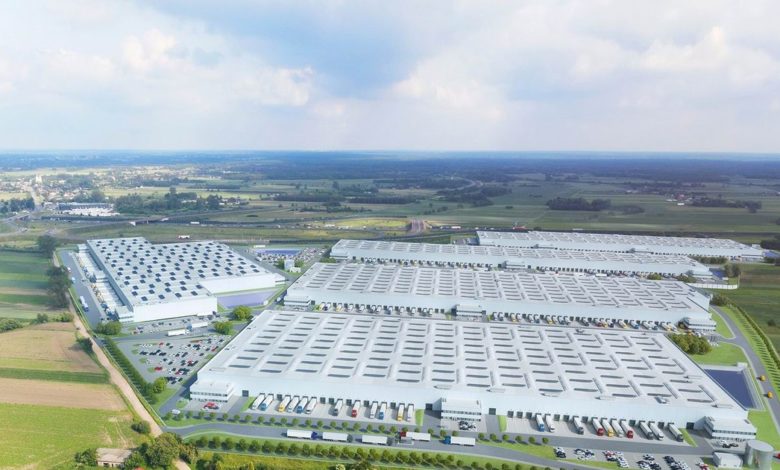
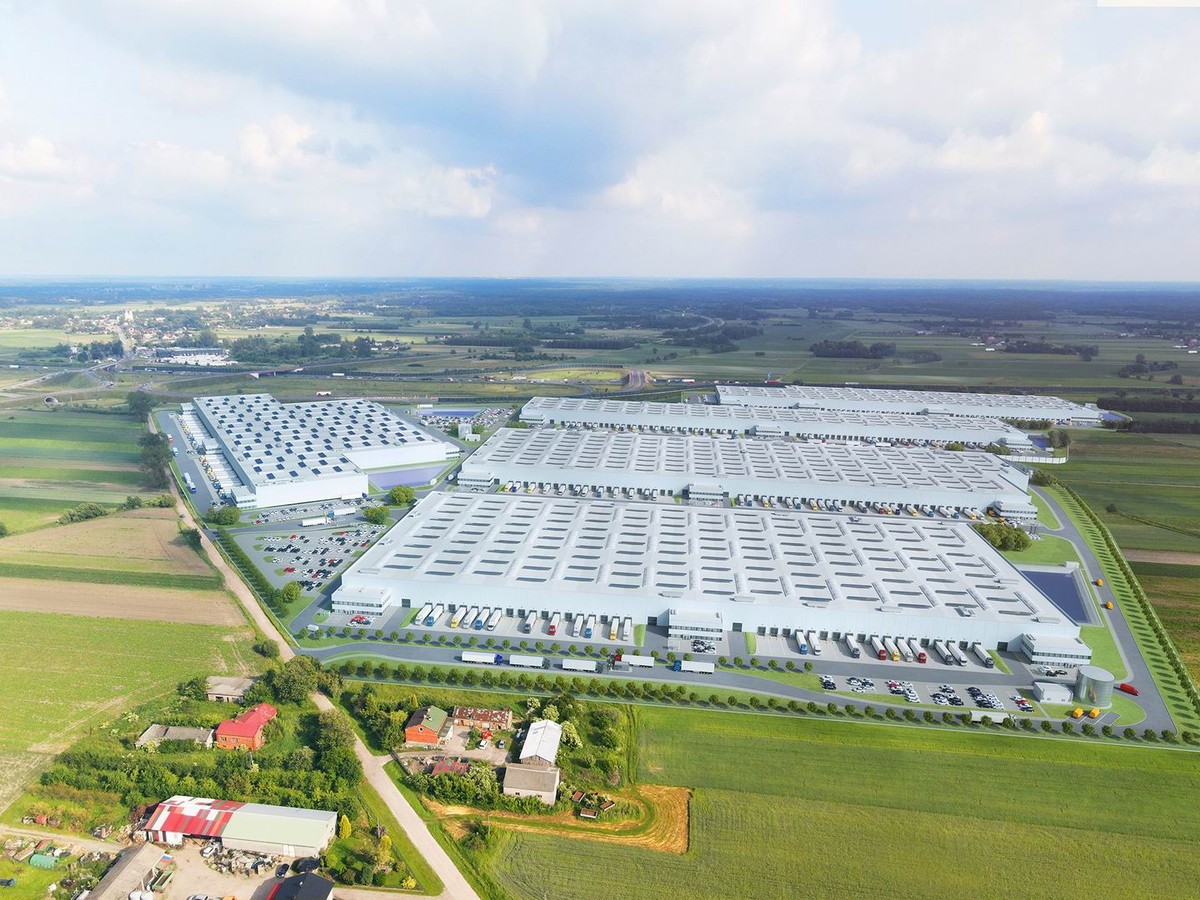
According to the CBRE report, Poland maintains the position of the fifth market in Europe in terms of warehouse and logistics. At the end of the first quarter of 2025, warehouse resources in our country reached 34.6 million sq m, which means an impressive increase of 7.6 percent. per year. In quarterly terms, the market increased by 2.1 percent, confirming the dynamic development of the sector.
-In Poland there is still more warehouse and logistics space, thanks to which we strengthen our position among the largest markets in Europe-says Michał Śniadała, head of the logistics and warehouse department at CBRE.
– Currently, there is 1.37 million sq m under construction, which is a slightly lower level than in the previous quarter. Whereas The number of projects put into use has grown up and the volume of starting construction, which means that the pool of new facilities will increase – adds the expert.
Spectacular increase in the investment volume
Cushman & Wakefield analysis reveals even more optimistic data on investment activity. In the first quarter of 2025, the volume of investment in the logistics sector reached over 202 million euros, which is an increase of 47 percent compared to the same period in the previous year.
– This proves that investors' activity in this segment is still accelerating, with about EUR 2 billion currently looking for investment opportunities – explains Robert Tomaszewski, senior Investment Consultant, Capital Markets Poland at Cushman & Wakefield.
Return of wallet transactions on the horizon
One of the most important trends observed on the market is A significant return of the investment scale, which reflects the re -interest in portfolio transactions. – Although in the first quarter of 2025 no agreement exceeding EUR 100 million was finalized, ongoing processes suggest that such transactions can materialize in the following months of this year – says Robert Tomaszewski.
Investment strategies are still focusing mainly on modern assets with great reversible potential, but this trend begins to alleviate because of the weaker rental market and the shrinking pool of assets offering a significant increase in rent. In response, investors are increasingly aiming at real estate with longer rental periods (Wault), where current prices do not yet reflect the appropriate bonus for the length of the lease agreement.
-At the same time, Sale-And-Leaseback transactions are gaining popularity, offering investors a simpler way to achieve their return goals-adds Robert Tomaszewski.
Mazowsze dominates in new projects and demand
The analysis of the geographical distribution of activity shows the clear dominance of the Mazowieckie Voivodeship. In the first quarter of 2025, Mazovia was at the head of the list in terms of the amount of warehouse and logistics under construction with a result of 338.3 thousand. sq m, ahead of the Śląskie Voivodeship (270,000 sq m). Mazowsze was also a leader in terms of newly started projects with seven investments with a total area of 215.9 thousand. sq m.
We observe a similar trend in the case of demand to storage space. The region where the tenants most often concentrated was Mazovia with the result of 267 thousand. sq m of rented space. Silesian (228.3 thousand sq m) and Łódź (151.7 thousand sq m) came second.
Growing demand despite seasonal fluctuations
The total demand for warehouses in the first quarter reached 1.11 million sq m, which means an increase of 22 percent. in an annual basis.
The most significant transaction of the first quarter took place in the 7r Park Gdańsk II, where the tenant from the 3PL industry signed a contract for 67 thousand. sq m. The vacancy rate for warehouse and logistics surfaces in Poland increased by 1 percentage point to 8.4 percent.
Stable capitalization rates and positive financing prospects
Capitalization rates for the best logistics real estate in Poland remain generally stable compared to 2024. Benchmark capitalization rates remain at the level of about 6.25 percent, and most transactions are closed in the range from 6.50 percent. up to just below 7.00 percent An expected improvement in debt financing conditions in the coming quarters can create a space for compression of capitalization rates.
– New projects implemented in recognized logistics hubs and hired by several or a dozen renowned tenants are the most popular among banks -says Mira Kantor-Pikus, Partner, Equity, Debt & Alternative Investments, Capital Markets at Cushman & Wakefield.
– Financing for buildings with one tenant is possible, while financial institutions in this case either expect a long -term contract, or a very attractive location and standard building parameters, easily rented for companies from other industries – he adds.
The growing importance of ESG factors
ESG factors are becoming more and more important in the process of valuation and financing of storage real estate. In the case of acquisition of older buildings, banks place great emphasis on environmental criteria and make their decision dependent on the buyer's decarbonization strategy.
– In the logistics segment, the situation on the income side remains stable, although we still observe pressure on effective rents resulting from persistent encourageers for tenants. ESG factors are also becoming more and more important in the valuation process – Even if in many markets there is still a lack of hard data to clearly determine the amount of the so -called green bonuses or brown discounts. The impact of ESG, however, is indirectly visible – through the operating costs of buildings, the level of rent and the growing expectations of investors, banks and insurers towards assets meeting the highest standards of sustainable development – sums up Marcin Malmon, Head of Valuations & Advisory at Cushman & Wakefield.
The results of the first quarter of 2025 indicate the return of optimism on the Polish storage real estate market. The combination of growing investments, increased demand and stable financing conditions creates solid foundations for the further development of the sector in the following months of the year.