

How did we get into this situation? The short version of the answer is: Due to AI. Technology companies are building new data centers on a gigantic scale and at an express pace, which will be used primarily to support artificial intelligence. These unprecedented multi-billion investments in IT infrastructure expansion are putting enormous pressure on the entire semiconductor supply chain. Particularly great pressure is placed on memory supplies. And since memory is needed in every device that has any microprocessor, there are shortages and rising memory prices have already affected or will soon affect the prices and availability of many products — especially consumer ones and especially the cheaper ones. Why is memory now the most scarce commodity and why is its price rising the fastest? Time for a longer version of the answer: Several factors contributed to this.
The rest of the article is below the video
Computer memory shortage – four main causes
One of them is that the computer memory market has historically been an extremely cyclical market. The demand graph for computer memory resembles a sine wave. The year 2024 and early 2025 is a period when memory prices reached record lows, which caused its manufacturers to reduce production and reduce inventories. The increased demand for memory came at a time when the market was least prepared for it.
The second reason is related to the fact that the demand for memory has increased more than for other types of semiconductors. Large language models, such as Gemini or GPT, need huge amounts of memory to operate, because its amount and efficiency directly translate into their speed and capabilities. At the same time, the special memory used in AI accelerators uses 3-4 times more silicon for each gigabyte of capacity than classic RAM for technological reasons. More and more memory is also needed in rather non-obvious places, such as network cards.
Shares of memory companies are among the hottest stocks right now.
The third reason stems from how computer memory is produced and how the business model of the companies that produce it works. Each type of memory is made from the same silicon wafersand the processing capacity of memory factories is measured in the number of wafers processed per month. The most valuable type of RAM with the highest margins is high-performance HBM memory mounted on state-of-the-art AI accelerators. The least valuable type of memory is basic RAM for personal computers and older generation memory, used, for example, in cars and various types of smart devices. So from a business point of view it is obvious that manufacturers will reorient their factories to produce the most profitable products for them and, as a result, minimize the production of memory that could reach the consumer market. It's a bit as if the sales of sports supercars suddenly increased dramatically and therefore the demand for the most expensive types of tires increased. It is natural that their producers would treat their production as a priority, which would suddenly result in fewer of the cheapest tires for Fiat Panda on the market.

Consumers must compete for the same sticks of RAM with server rooms that train and run AI models
|
Zoomik / Shutterstock
Fortunately for consumers, it is not possible for RAM manufacturers to completely switch to producing the most expensive types mounted in AI accelerators. It is also not possible for them to sell every chip they make for a server drive or module. This is because there are hundreds of chips on each silicon wafer and each of them has a slightly different quality. Not everyone is good enough to meet the needs of business customers, so it inevitably ends up on the consumer market – because it's better there than in the trash. However, this does not change the fact that the consumer market has been pushed to the sidelines and is in some sense left with scraps.
The changing behavior of its largest buyers also influences the inflation of memory prices. Instead of using typical distribution channels, the largest companies, fearing that they will run out of chips, go directly to manufacturers. So we have a situation in which instead of several large distributors, Many companies are competing for contracts, trying to outbid each other almost in a casino style. Apart from the obvious impact on prices, this also affects smaller producers, who are thus pushed out of circulation and many may not survive.
The effects of memory deficiency: those already visible and those to come
The effects of this accumulation of circumstances were the first to be felt by the PC component market. RAM for computers has, in some cases, multiplied its retail price within a few months. The prices of SSD media have also increased dramatically and one of the heads of the Japanese company Kioxia, one of the largest producers of flash memory for drives, said that The times of cheap 1 TB drives are over. Analysts also announce that this is not the end of the increases and in the coming months we should expect contract RAM prices to increase by over 50%. and flash (for SSD) by almost 50 percent. Graphics card manufacturers have also announced price increases and limited availability of some models, so This is the last moment to replace the card for a relatively reasonable price.
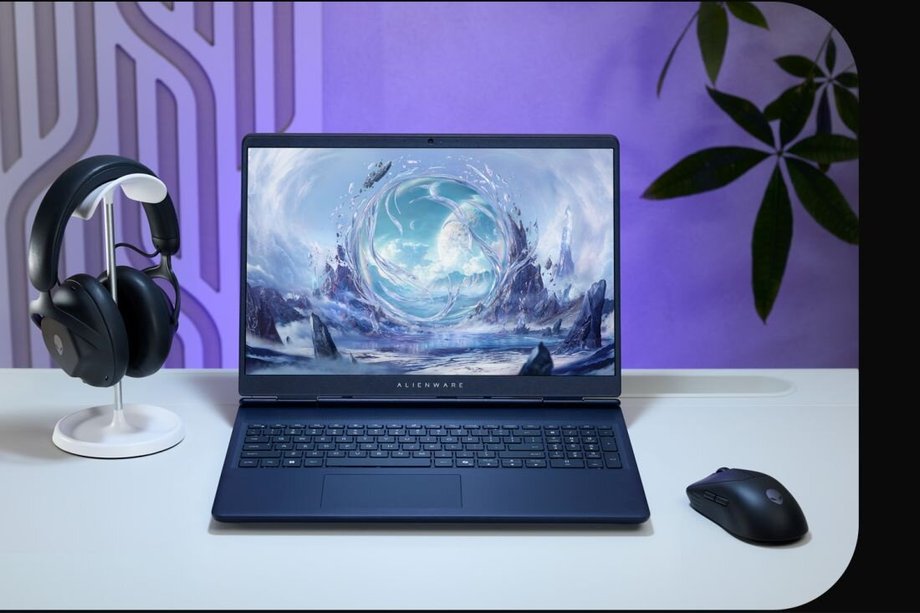
The laptop market is still holding up, but we expect that problems with the availability and price of cheaper notebooks will only be a matter of time.
|
mediaexpert.pl
The laptop market is still holding up, but this is due to the fact that stocks of previously ordered devices are still being sold out. When they run out and newer models with memory purchased at new prices start arriving in stores, the market will experience a mix of limited availability, higher prices and worse specifications (i.e. less RAM and smaller disks) of the cheapest notebooks. The situation should be better for business and premium laptops (especially from Apple), but it is expected that chip shortages will be particularly painful for people who want to buy the most basic portable computers.
A similar situation will most likely occur in the smartphone market, which, according to IDC analysts, is expected to shrink from about 1 to about 5 percent in 2026 due to shortages and memory prices. For now, there are plenty of older smartphones in stores at normal prices, but Mobile phone manufacturers are already announcing that it will be more expensive. In the case of flagship models, the difference should not be big (unless their availability is very poor), but in lower market segments we expect large increases (up to 20%). or deterioration of the specifications of the base models compared to their predecessors, as during the pandemic.
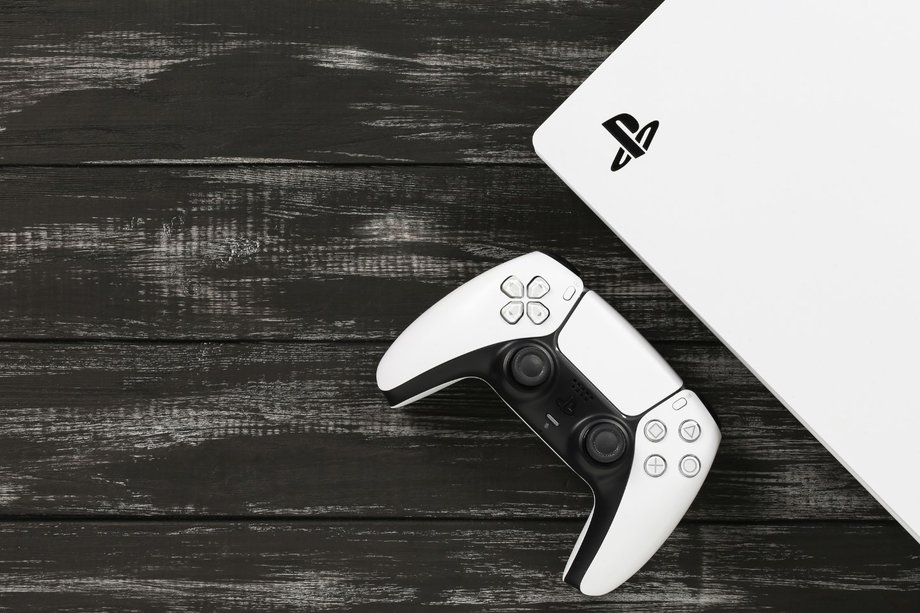
The console market will be hit hard by problems with availability and rising memory prices.
|
Oleksandr Blishch / Shutterstock
The next obvious victim of the chip shortage will be consoles. PlayStation 5 prices are still stable, and Nintendo even reduced the Polish price of Switch 2, but when memory supplies run out and previously signed contracts end, increases are inevitable – especially in the case of Sony equipment, where memory constitutes a large part of the total cost of materials. Besides, it's already been said that Memory shortages may delay the release of Sony and Microsoft's next-generation consoles.
Read also: Steam Machine more expensive than planned? Valve talks about a crisis in the component market
It is still unknown how much impact this situation will have on the automotive and smart device markets. We don't expect a repeat of the pandemic drama, but the availability of cheaper, simpler and older types of memory will certainly be a challenge that – as in the case of smartphones and computers – may shift the markets towards premium devices.
How long will the memory shortage last?
The question now is how long will it last? Unfortunately, a long time.
As I mentioned at the beginning, the memory market is very cyclical by nature. But this time we are not dealing with the typical stage of increased demand, which will soon pass. There are many indications that we are not dealing with a supercycle like the pandemic period. Memory producers and analysts rather talk about a complete change in the market structure and a constant increase in demand. In practice, this manifests itself in the fact that the three largest producers of RAM – Samsung, SK Hynix and Micron – and the largest producers of flash memory for SSD media – i.e. the above three plus Kioxia – they have already fully booked memory production for the entire year 2026 and a large part of next year.
A return to normality can only be expected when these companies finish building their new factories and the first chips from their production lines start hitting the market.i.e. in 2028. So if you have been thinking about buying some electronics and have been holding off on the purchase… we strongly recommend taking action, not waiting.


