Trump wants the United States to manufacture tanks and ships. “We do not want to produce sports shoes and shirts”

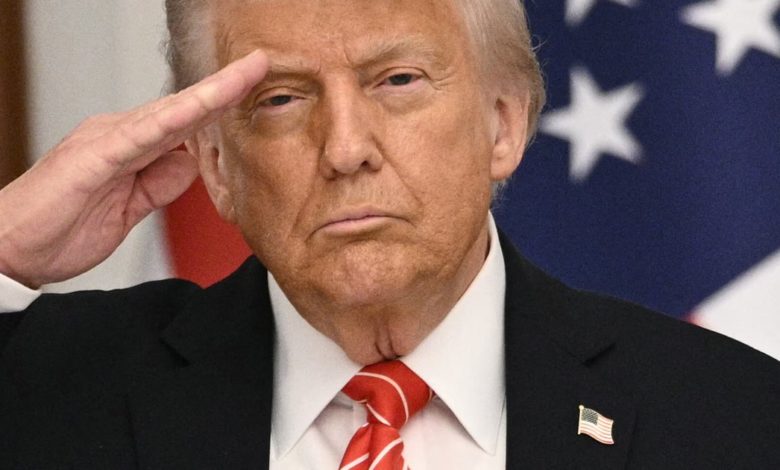
US President Donald Trump said on Sunday, May 26, that his tariff policy is aimed at promoting domestic production of tanks, ships and technological products, not sneakers and shirts.
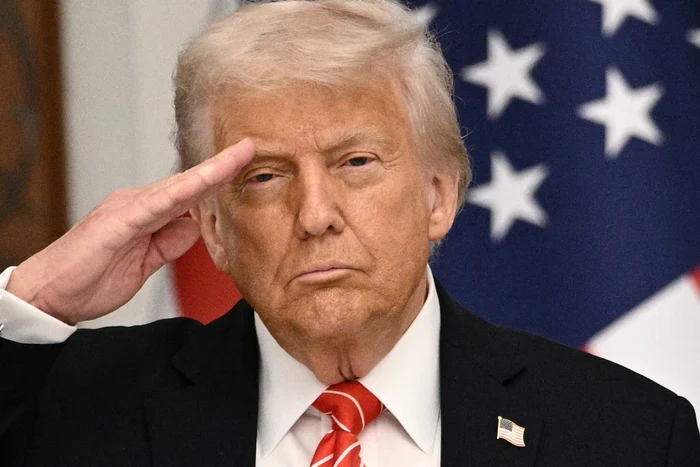
Donald Trump Photo: AFP
Trump said he agrees with the claims of the Treasury Secretary, Scott Besent, from April 29, according to which the US does not necessarily need an “expanding textile industry”, comments that have aroused criticism from the National Council of Textile Organizations, according to Reuters.
“We do not want to produce sports shoes and shirts. We want to produce military equipment. We want to produce great things. We want to produce, to do things about artificial intelligence“Said Trump, who added:”To be honest, I don't want to produce shirts. I don't want to produce socks. We can do this very well in other places. We want to produce chips and computers and many other things, such as tanks and ships”.
The American Association for Confections and footwear (APA) has responded to Trump's statements stating that customs duties are not beneficial for the industry.
“Given that 97% of the clothes and footwear we wear are imported and that clothes and footwear are already the industry with the highest US customs duties, we must focus on common sense solutions that can change the situation ”, said Steve Lamar, Aapa president, in a statement. “Several customs duties will mean only higher costs for American producers and higher prices, which will affect consumers with lower incomes,” he added.
Trump, who shook the world markets by widespread imposition of customs duties, resumed his tough trade rhetoric on Friday, May 23, when he insisted on imposing 50% customs duties on the European Union products starting June 1. He also warned Apple that he could impose a 25% tax on all imported iPhones bought by American consumers.
On Sunday, however, he gave back to the threat to the EU, extending the deadline for applying these rates until July 9, to allow discussions between Washington and the block of 27 countries.