On Wednesday, the United States, Great Britain, Germany, the Czech Republic, Poland, Australia, Canada, Denmark, Estonia, France and the Netherlands published a joint statement on the campaign sponsored by the Russian authorities aimed at Organizations involved in “Coordination, transport and providing foreign help for Ukraine”.
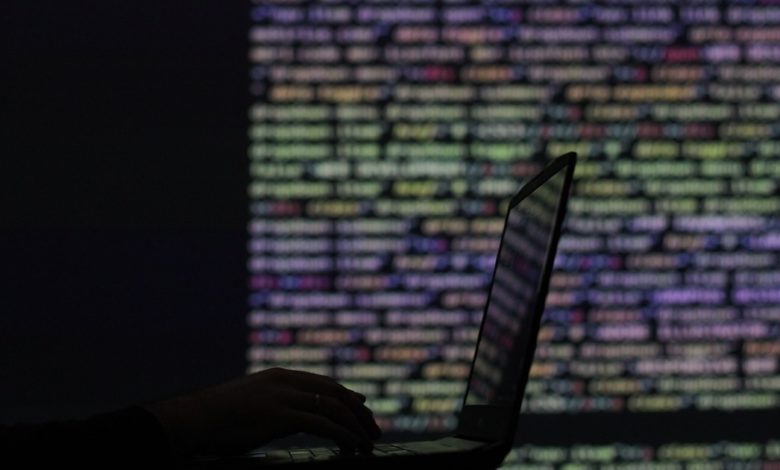
These countries stated that the unit of 26165 Russian military intelligence-known in the world of cybersecurity as “Fancy Bear”-led this campaign for over two years, using various tactics, including false email and theft of passwords.
Russian hackers attacked government and private organizations of companies from the defense, transport, sea sectors, air traffic and IT management.
According to the statement, the aim of the attacks was organizations from Bulgaria, the Czech Republic, France, Germany, Greece, Italy, Moldova, the Netherlands, Poland, Romania, Slovakia, Ukraine and the United States.
Western countries clearly linked the cybernetic campaign with the Russian war in Ukraine, claiming that The attacks intensified after February 2022.
Because the Russian forces “did not achieve their military goals, and Western countries provided assistance in the territorial defense of Ukraine, the 26165 unit extended the scope of their attacks to logistics entities and technology companies involved in providing help,” it was stated.
At that time, many Russian hacker groups increased their activity. The 26165 unit focused on the espionage. Its goal has become connected to the internet at Ukrainian border crossings and at least one organization dealing with the rail traffic control system – Western countries said on Wednesday.
The 26165 unit was previously covered by the EU for a hacker attack on the German Bundestag in 2015. It was also associated with burglaries to the National Committee of the Democratic Party in the United States in 2016 and to email accounts belonging to the social democratic part of the German, then Chancellor Olaf Scholz in 2022 and 2023.
Recently, France accused her of organizing cyber attacks for the election campaign of President Emmanuel Macron in 2017.