Netanyahu knows that his time is running out. May have a secret plan with Trump

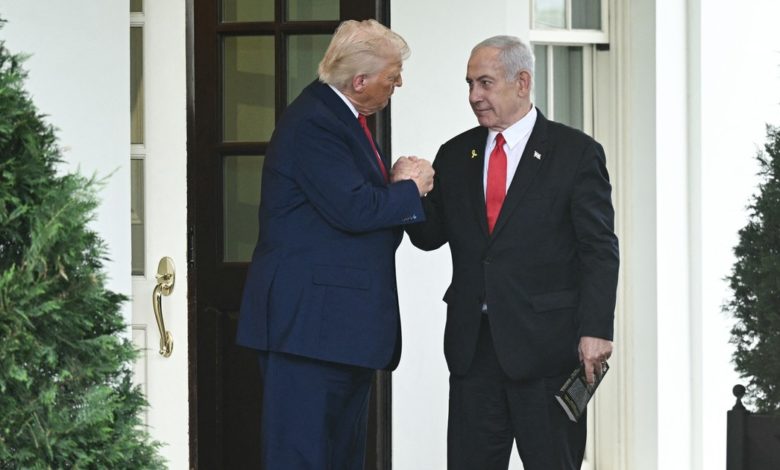
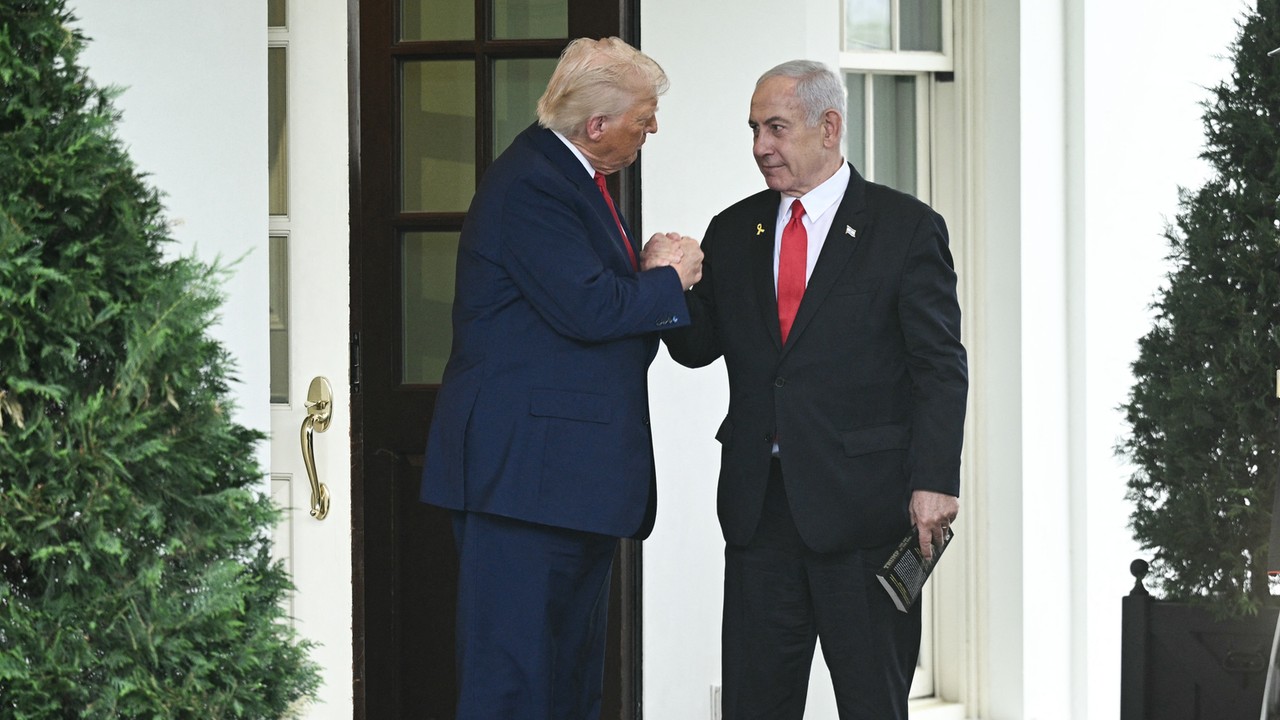
Suddenly, peace seems to be at your fingertips where there has been war for a year and a half. But what really is behind this diplomatic decision made in a hurry by two political survival masters?
For Trump it is the perfect moment: after the twelve -day surgery of Israel against Iran, he senses “victory window”which should be used quickly, before Tehran is regrouped. Netanyahu, on the other hand, has been fighting corruption charges since 2020, and in his angry posts on Truth Social Trump openly demands the discontinuation of proceedings. According to Israeli government sources, this agreement – peace in the Gaza Strip in exchange for peace in courtrooms – is part of the entire package.
What does the plan of Trump and Netanyahu look like?
The most important element is immediate and complete suspension of weapons, followed by a gradual release of all 50 hostages. Hamas leaders would go exile and their fighters be disarmed. The four -sided Arab administration – in the composition of Egypt and the United Arab Emirates and two other countries whose names were not given – would temporarily take over civil control, while Israel would symbolically declare their readiness for “future two -state solution”.
In return, Washington would recognize part of Israel's sovereignty on the west bank. In addition, the United States want to mobilize billions of dollars for reconstruction. According to the plan, the residents of the Gaza Zone will receive – in the event of a desire to leave – a guarantee of accepting by several third countries.
In parallel to the Dialog agreement of the Abraham agreement, new countries would join, including Saudi Arabia and Syria. So the whole thing is character multilateral diplomatic solution: Pacification of the Gaza Strip and simultaneous extension of Abraham's agreements.
What exactly are Abraham's agreements?
This is a series of normalization contracts negotiated in 2020 by the then US president Donald Trump, which initially included Israel, United Arab Emirates and Bahrain, and later also Morocco and Sudan.
For the first time in decades, they broke the dogma that Arab countries could establish diplomatic relations with Israel only after the Palestinian conflict was dissolved.
Trump's current initiative is aimed at expanding this model on a larger scale: Saudi Arabia, Syria and other countries with the majority of Muslim would recognize Israel – as a result of the end of the war in the Gaza Strip and the first Israeli commitment to the principle of two countries.
How do Israel and Hamas react?
The President of Israel Jicchak Herzog talks about the “historical chance”, while the far-right ministers of the ITAMAR Ben-Gwir and Becalel Smotricz coalition threaten that in the event of any approach to the creation of the Palestinian State they will lead to the fall of the government. Officially, the Netanyahu office is silent, but confirms the narrative about the “unique moment” after winning over Iran.
Hamas negotiators in Cairo confirm intensive conversations, but so far they refuse to exile or disarm. Without a real compromise, there will be no “breakthrough” – warn Egyptian mediators.
Whether there is such an agreement depends not only on the will of two state leaders, but also on many international factors.