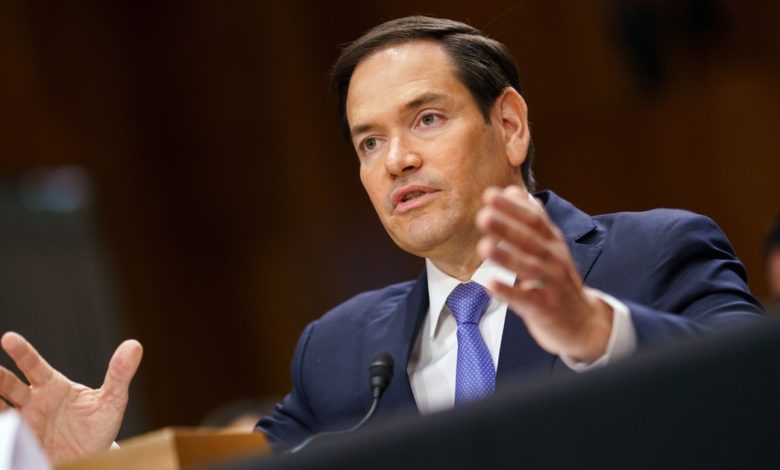
In this way, Rubio answered the questions of the Senators of the Democratic Party, or the act reported in the Senate on sanctions against Russia, including against its oil sector and countries buying Russian oil.
Rubio: We can come to the point when we support sanctions against Russia
– Yes, it can happen if it really turns out that the Russians are not interested in a peace agreement and just want to continue to fight, it is very possible that [wtedy] It will happen – said the head of American diplomacy. He also said that He warned the Russian side that the administration has no control over the Congress and cannot guarantee that additional sanctions would not be imposedif Moscow will not be skin until the end of the war.
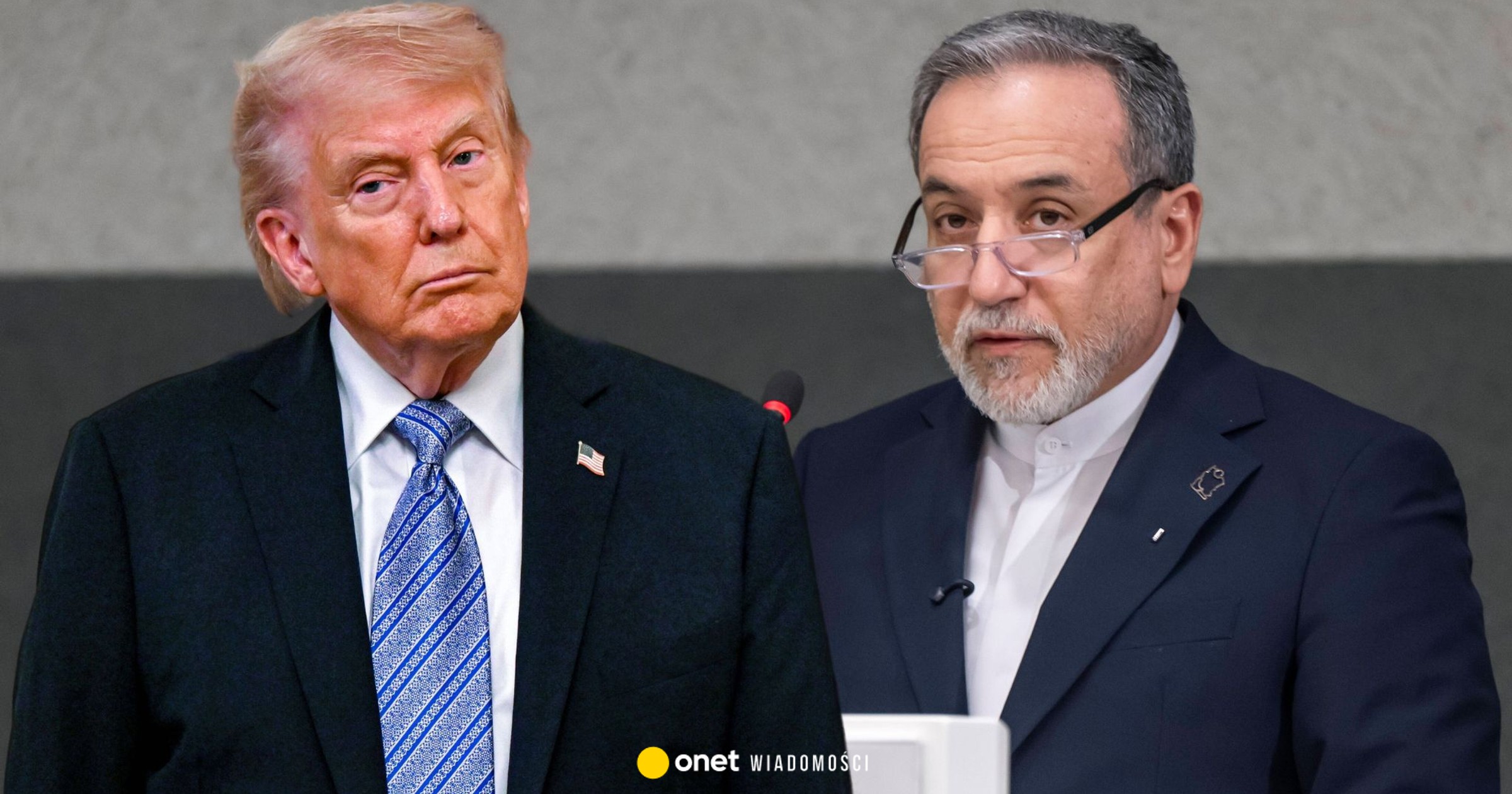
The US President Donald Trump referred to the question in a more laconic way, who only answered: “We'll see” during a visit to the Capitol on Tuesday.
During a speech before the Senate Foreign Affairs Committee Rubio repelled the allegations of democrats that America got rid of pressure on Russia, and Trump is “played like a child” by Vladimir Putin and “he threw Ukraine under a riding bus.” The head of diplomacy argued that the administration has not abolished any sanctions yet, did not make any concessions to Russia and continues to send military aid Ukraine. However, he refused to answer the question whether this help would continue when the current funds allocated for this purpose are exhausted. Rubio noted that he is working on providing Ukraine with additional Patriot systems.
– To be honest, we don't have them, but we work closely with our NATO allies. There are allies from NATO who have some Patriot shell batteries that they could provide (…) to Ukrainians to defend, for example, Kiev aircraft and other places – he said. He added, however, that none of these countries wants to give up their patriotsconsidering that new ones are not produced quickly enough.
“We are waiting for the conditions of Russia”
He also assessed that nowadays the main problem of negotiations is that “Russia wants what she does not have and what she is not due, and Ukraine wants what he cannot regain militarily.” He stated, however, that it is still a “open question” whether Russia is negotiating in good faith. He said that the challenge is the fact that the entire Russian economy is based on war production and Moscow is more profitable to continue the fight.
Simultaneously He noted that Trump wants to “keep the possibility of influencing both sides towards the room as long as possible”suggesting that this is why he has not yet imposed additional sanctions on Russia.
– We understand that the Russians will now exchange their conditions (…) Achieving a weapon suspension, which will allow broader negotiations. We are waiting for these conditions, (…) I will have a much better understanding of Mr. Putin's calculation when we see what these conditions look like – said Rubio.
Democrat about a visit to Poland
The deputy head of the commission, Democrat Jeanne Shaheen criticized Rubio and his policy, including a radical limitation of foreign help, claiming that in this way he reflects the field of China and undermines the US image in the world. As an example, she gave an anecdote from her visit to Poland at the border with Ukraine.
As she reported in Poland, “one of the most pro -American countries in the world”, she met with a representative of a non -governmental organization dealing with work with Ukrainian refugees. As she said, after the suspension of humanitarian aid by Trump's administration, her interlocutor told her that although Poles have always admired the US, “his trust in [tego kraju] has been disappointed. “
Other opposition senators They regretted that they voted for the approval of Rubio as a secretary of defense, and asked rhetorically if he was “proud of the destruction of the US global leadership.”
Rubio replied that despite the reduction of foreign help by 80 percent. The US provides it more than 10 consecutive countries combined. He also assured that foreign help would be continued, and the programs that were limited “did not make sense” or were inefficient.