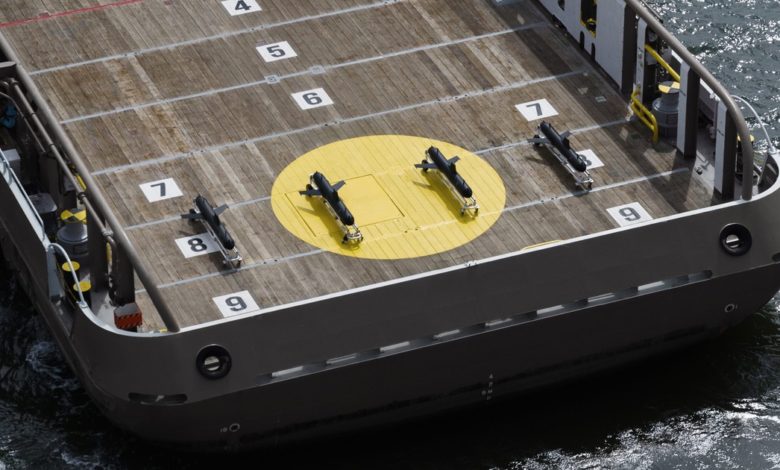
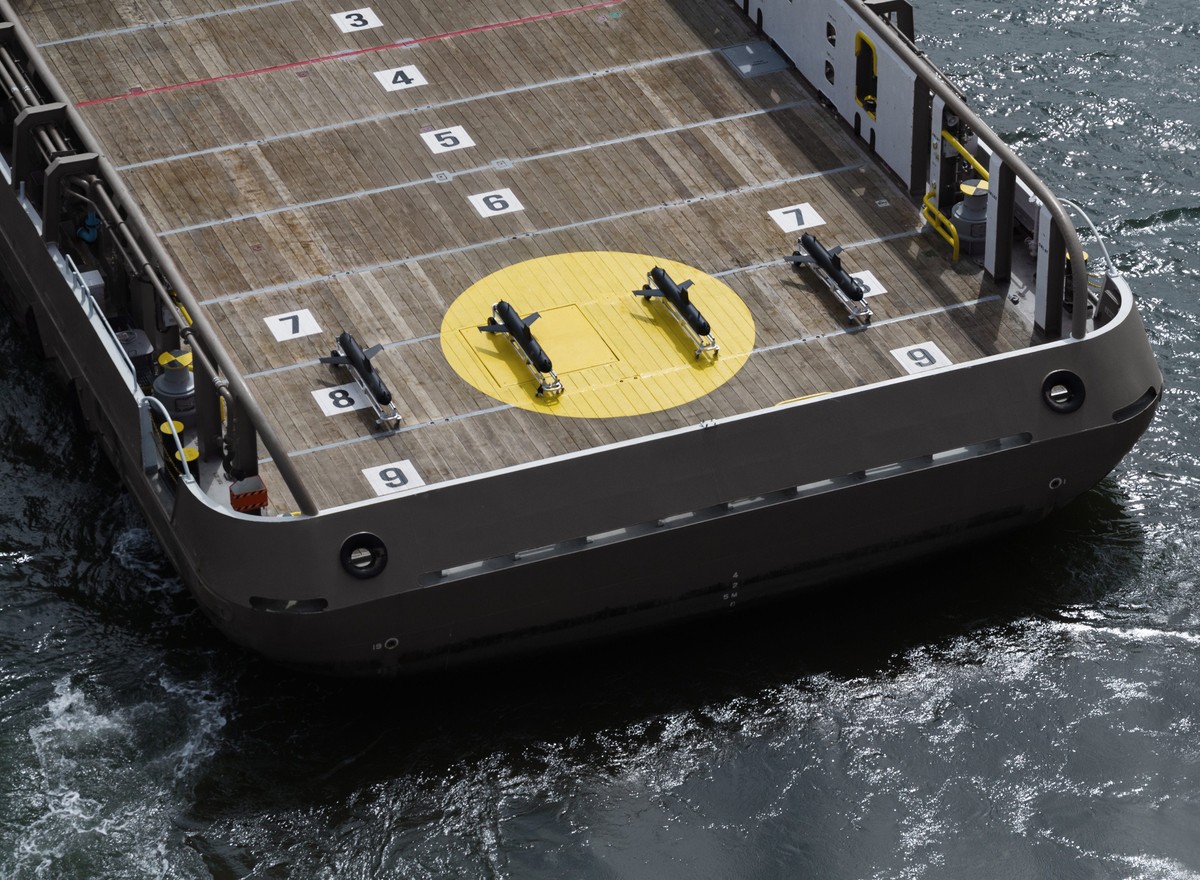
According to the manufacturer, software It works 40 times faster than man And it generates ten times less noise than competitive solutions, which makes it difficult to detect it.
“We must use new technologies to keep up with growing threats to our critical infrastructure, territorial waters and lifestyle,” said Gundbert Schef, co -founder and co -editor managing Helsing.
Thanks to the construction that allows the simultaneous arrangement of many drones, these systems are to act as an underwater supervision network. Not only will they warn of threats, but also maintain a constant presence in key locations.
Bryan Clark, an expert from the Washington Hudson Institute, assessed in an interview with Business Insider that this type of unmanned vehicles “They can be effective in protecting underwater infrastructure“He added, however, that their detection range is limited, which is why the greatest potential is in group activity, when dozens or hundreds of machines work together.
Clark also pointed out that these drones can be susceptible to electronic interference that could affect their navigation systems and lead to loss of control.
There is still concerns about the safety of undersea infrastructure. In recent months, several incidents have been recorded with the intersection of communication cables at the bottom of the Baltic Sea, for which some European countries blame Russia.
In September last year, Business Insider reported that a special Russian unit for submarine sabotage recognized the cable network at the bottom of the sea. In response, NATO has established a special team for the protection of underwater infrastructure and announced the development of satellite technologies enabling rapid redirecting of data in the event of serious damage.
At the same time, the European Armed Forces test their own sea drones systems. According to The Times, the British Ministry of Defense, as part of the CABOT project, conducts work with Helsing on autonomous units capable of patrolling sea DNA and infrastructure monitoring.
Helsing, whose valuation during last year's financing round was $ 5 billion $ 400 million. (approx. PLN 21 billion), already has systems based on artificial intelligence and air drones for European armies. The company revealed that the interest in their latest project was already reported by several war jackets, and the tests of new drones took place in one of the bases in southern England.
“The use of artificial intelligence on the outskirts of the underwater networks will allow us to ensure full control over sea waters and scare away opponents. For strong Europe” – summed up Schef.
The article is a translation with American Business Insider edition.