What effects do advertisements have on unhealthy food on children. The explanations of the researchers

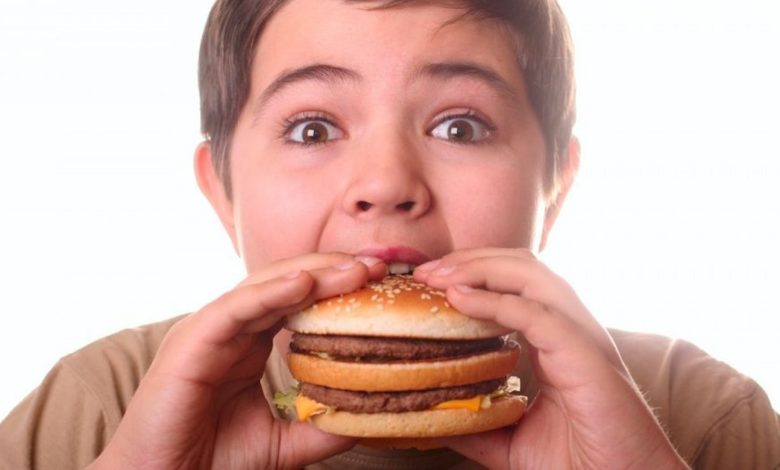
A new study shows that only five minutes of exposure to advertisements for unhealthy food lead to a significantly higher consumption of calories among children.
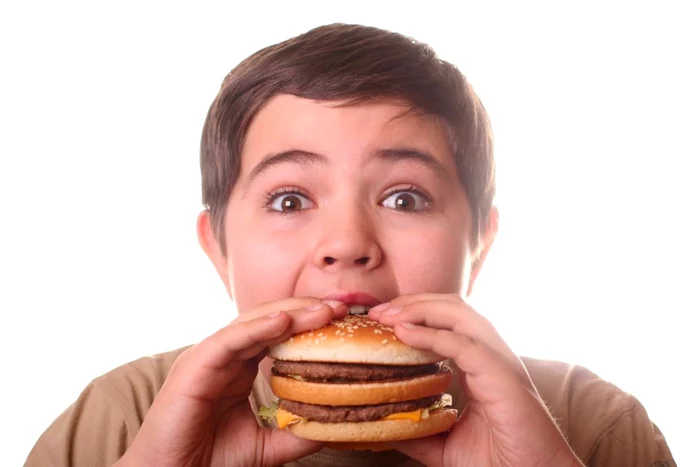
Fast food commercials determine children to eat more calories: shutterstock
Children consume, on average, 130 calories more in one day after watching only five minutes of foods high in fat, sugar and salt. It is the conclusion of a recent study in the UK, which draws an alarm signal on the impact of food advertisements on children, The Guardian reports.
The study, considered innovative, was conducted on a sample of 240 children between the ages of 7 and 15, from schools in Merseyside. They were exposed, in two separate sessions, for five minutes, to advertisements for unhealthy food, respectively to advertisements that were not related to food.
After watching, the children were offered snacks such as grapes or chocolate, and later served lunch, which contained a combination of salt, sweet and healthy.
The results showed that, after food ads, the children ate 58 calories more at snacks and 73 calories more at lunch, compared to the situation in which they were exposed to non-food ads.
Does not matter the form of the advertisement: the effect is the same
Interestingly, the type of advertisement has not influenced the results. Whether it was video spots with sound, social networks, audio commercials from podcasts or posters, the impact was the same.
Also, the effect maintained whether the advertisement promoted a concrete food product or just a fast food brand, without showing specific products.
“This is the first study that shows that food advertising exclusively for brands affects what children eat. I also showed that they do not eat more just immediately after the advertisement, but also at noon, a few hours away“, Said Emma Boyland, the main author of the study and a food marketing teacher and the health of the child at the University of Liverpool.
“It wasn't about the fact that they were determined to buy a particular product, but only an impulse to eat what they had in front“She said.
The specialists demand the elimination of the legislative “portions”
The results of the study question the efficiency of the prohibition proposed by the British Government on unhealthy food advertisements before 9:00 pm, which is to enter into force in October.
Katharine Jenner, director of Obesity Health Alliance, said: “The study sends a clear message to the decision -making factors: Food advertising leads to excessive caloric intake in children. ”
The study is to be presented at the European Congress on Obesity, held in Malaga, Spain, and brings an important argument in favor of regulating food advertising to minors.