The weather is in our hands. How can Romanians passionate about weather phenomena support scientific research

Extreme weather phenomena are increasingly common, and Romanian researchers launch a call to the public: weather enthusiasts can actively contribute to science development, sending videos and pictures so that experts can build a more precise image of climate change.
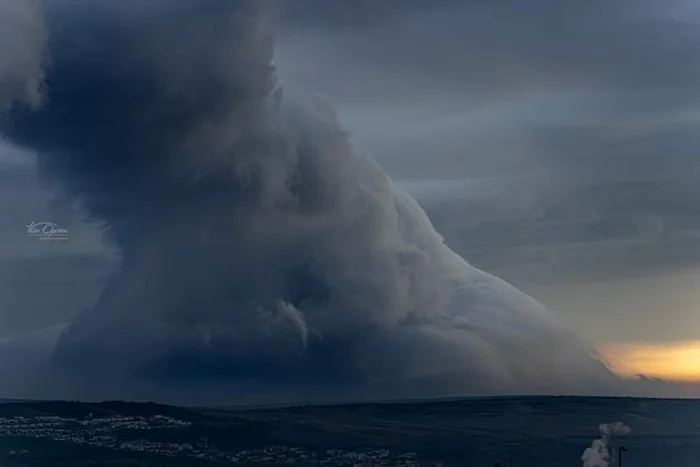
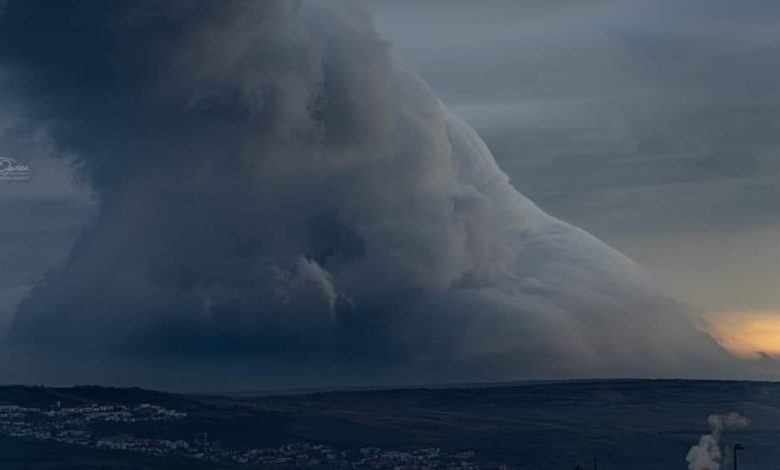
Cloud of tornado at Cluj Photo Archive
Scientists start a unique collaboration with the whole population, especially with amateurs of sensational weather phenomena that film or photograph them and then post them on social networks. This time, fans of a unleashed nature can effectively contribute to scientific research, say specialists. The videos made by them with tornadoes, hail effects or even torrential rains are required by specialized organizations to be studied and centralized.
“Your observations reach scientists”
The appeal to the scientific solidarity between the civil society and the profile organizations was launched by Bogdan Antonescu, a lecturer at the Faculty of Physics of the University of Bucharest, but also deputy director of the European Severe Storms Laboratory. He invited, through a post on social networks, all the fans of extreme meteorological phenomena to share the experience with the specialists. Especially in the context of approaching the storm season from the end of May and until mid -June.
“A call now at the beginning of the storm season in Romania to those passionate about extreme meteorological phenomena. Each 2 cm hail photo, each clip with a tornado (or marine trom), with a torrential rain or intense wind can become a piece from the puzzle of weather research in Romania and from Europe.says Bogdan Antonescu.
He also gave some examples of weather phenomena that, reported, would help the scientific community. It is about large hail (diameter ≥ 2 cm or layer ≥ 2 cm), intense wind (measured ≥ 25 m/s or damages indicating similar speeds), torrential rain (≥ 25 mm in ≤ 30 min or major effects such as impracticable streets, flooded basements), but also the most spectacular phenomena as the phenomena. The videos, the best made, including the mobile phones, but also the necessary data, such as wind speed or hail size, are preferable. Date and time is required.
“Note the exact time and check the position on the map before sending the observation. It measures the diameter of hail falls, the thickness of the ice layer, the amount of rainfall, the wind speed if you have the station. Photo the details (the ruler or an object known near hail, water level, damage)”adds Bogdan Antonescu.
In addition, a description of the impact of that extreme weather phenomenon on the environment and community is important. For example, if it caused substantial damage, there were closed roads or current interruptions.
How to proceed and what I use
The Romanian specialist also explains where and how photo and video materials can be sent, plus the necessary observations. The data can be sent to the European Severe Weather Database (ESWD, https://www.eswd.eu) part of the European Severe Storms Laboratory (essl, essl.org), direct link: https://eswd.eu, but also to the extreme Weather platform part of the Reactive Project of the National Institute of Research and Research to the Earth Physics, Direct link: https://reactive.infp.ro/events/.
“Enter the link indicated above -” submit a report ” – no need is needed. Choose the type of phenomenon → select the country and the locality completes the details: date/hour (ideal in UTC), measurements, damages and upload photos or video links. After reference, the report immediately appears as “non -storyfiD” and goes through the evaluation process “explains Bogdan Antonescu.
The Romanian specialist says that all these data are very useful for scientists. They centralize and study them precisely to better understand the effects of these extremely pre -pre -pregraded meteorological phenomena with climate change.
“Why does your reports matter? This data is essential for both research and forecasts. ESWD already contains tens of thousands of events, and institutions such as Eumetsat or ECMWF use them to validate their products. Each report receives a QC (QUality Control); QC1 indicates that the phenomenon has been confirmed from a source. The observations of the citizens complement the official networks and have a great impact in the research and forecast of the extreme meteorological phenomena ”says Bogdan Antonescu.
For those who want to contribute constantly, with their observations on these weather, European Storms Laboratory (Severe Storm Laboratory in Europe).