“Warrior ethos” and 19th century doctrine. This is how Trump seeks confrontation with Venezuela


However, it is not Venezuela that is the biggest problem for US drug services. Most illicit substances enter the U.S. through the Pacific, not the Caribbean. Fentanyl, on the other hand, is produced mainly in Mexico, not South America. So why is the Trump administration so focused on Venezuela?
First of all, the fight against “narco-terrorists” is part of the Trump administration's program, promoted primarily by Pete Hegseth's Pentagon. Its goal is to fight phenomena that the American right wing considers a threat to the strength, unity and cohesion of the American nation. These threats are primarily internal: the influx of immigrants, i.e. “aliens”, equality programs promoted by the left, moral permissivism, vokeism and the culture of diversity.
The article continues below the video
Meanwhile, Americans should – as Hegseth argued during a September lecture for generals and admirals – aspire to the highest standards and, above all, to unity. They should adopt the “warrior ethos” and unitedly fight against threats to the country and their own weaknesses. One of such weaknesses, which at the same time pose a threat to the country's vital forces, are drugs, the overdose of which in the USA contributes to the death of approximately 100,000 people. people per year. In this sense, the Trump administration is realistically convinced that sending soldiers to the largest cities to restore order on the streets and fighting drug cartels will contribute to improving the condition – both physical and mental – of the American people.
How does this apply to Venezuela? The thing is, not really. Data from American and international services clearly indicate that this country is not the main problem when it comes to the production or transfer of drugs to the USA. The fentanyl route leads from Mexico, and by sea most illegal substances reach the US via the Pacific, not the Caribbean. The Trump administration considers Nicolas Maduro, who is ruling Venezuela, a de facto drug kingpin, but this does not change the fact that he is not the main culprit of Americans' drug misfortune.
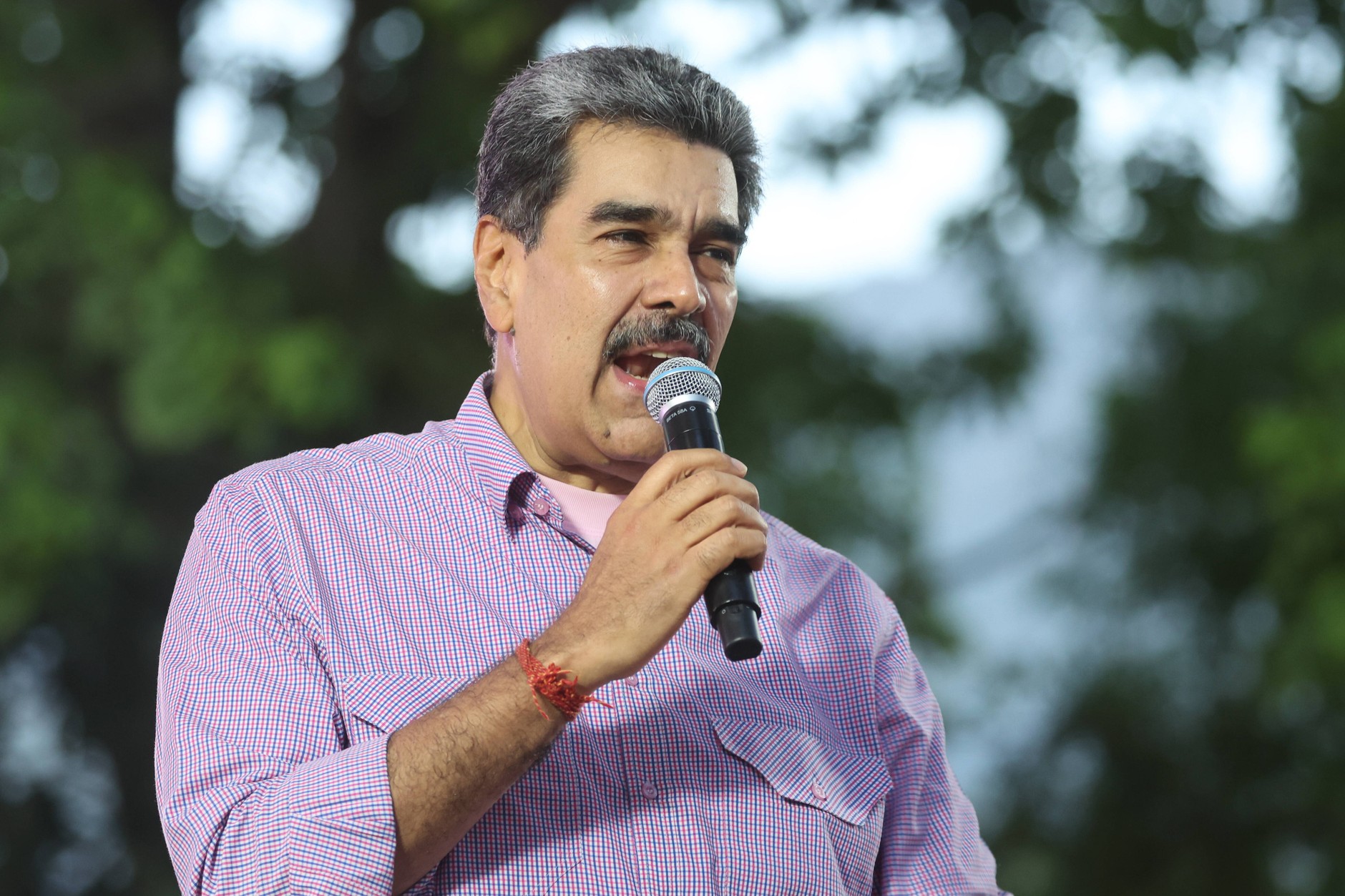
Nicolas MaduroMIGUEL GUTIERREZ / PAP
The fight against Venezuelan “narco-terrorists” is, in fact – and secondly – a fight that will not solve the problem, but may bring the Trump administration an easy image success in the eyes of Republican voters.
If Trump decided to overthrow the Maduro regime, and this is what the administration seems to be pursuing, he could then boast that he overthrew a communist dictatorship that also threatens U.S. security. The consequences of changing the regime in Venezuela could turn out to be dire, but the action itself could easily be included in the administration's rhetoric about eradicating leftist ideologies and fighting the inflow of drugs into the country.
This solution is being pushed particularly hard by Secretary of State Marco Rubio, a politician with Cuban roots who, as a senator from Florida, loudly opposed any socialist or communist regimes in the Western Hemisphere.
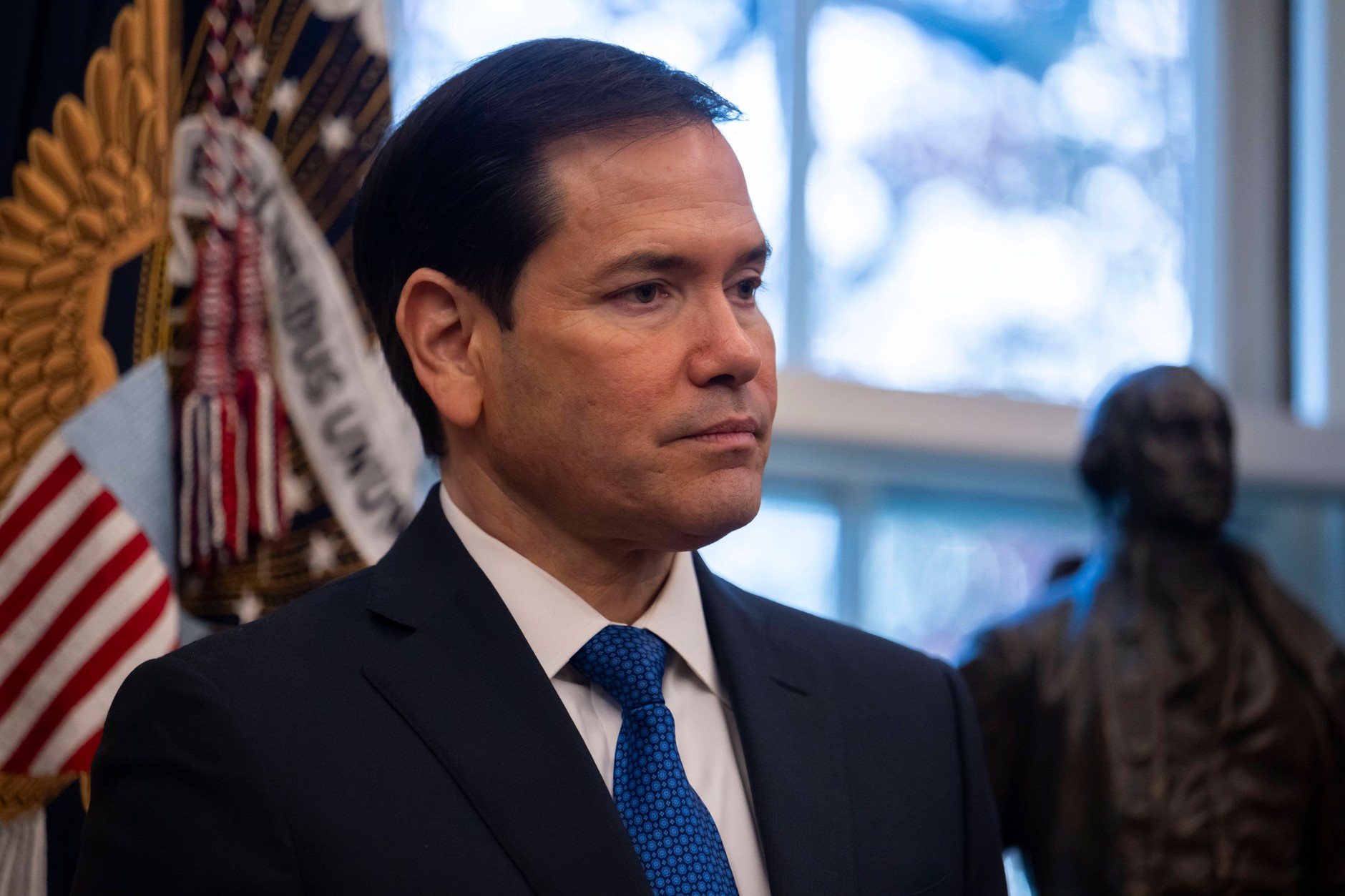
Marco RubioPAP/EPA/GRAIG HUDSON/POOL / PAP
Trump uses 19th century doctrine
Behind all this is the belief of Trump, Hegseth and other senior members of the administration – and thirdly – that the Western Hemisphere is the exclusive sphere of influence of the United States, and therefore the sovereignty of other countries in the region can be arbitrarily limited if Washington is concerned about its security.
Every great power does the same, to varying degrees, and this is not a new motif in American politics. The 19th century “Monroe Doctrine” (named after the US president in the years 1817-1825) states that European countries cannot intervene in the affairs of the Western Hemisphere, and its “extension” in 1904 gave Americans the right to intervene in countries in the region that pursued policies contrary to US interests. These doctrines are, of course, not codified anywhere (and certainly not in international law), but the Americans – ever since they became a superpower – are convinced that they must have absolute dominance in the Western Hemisphere.
Meanwhile, in recent years, the power of the US influence in Latin America has been clearly weakening and the Trump administration is unable to do anything about it. The region is governed by leaders who often openly distance themselves from Washington. In addition, it is from the south that most migrants come to the United States, because many Latin American countries are still unable to cope with poverty, corruption and other internal problems.
Nay. China has made strategic investments in the region, including: in Ecuador, Peru, Brazil or Argentina. They have invested huge amounts of money in developing wind and solar farms there, as well as in the mining industry, e.g. of lithium, which is needed for lithium-ion batteries. For many Latin American countries, including Brazil, they are also the most important trading partner. China is active in the region, but it acts cautiously, completely different from the European powers that the US expelled from the Western Hemisphere in previous centuries.
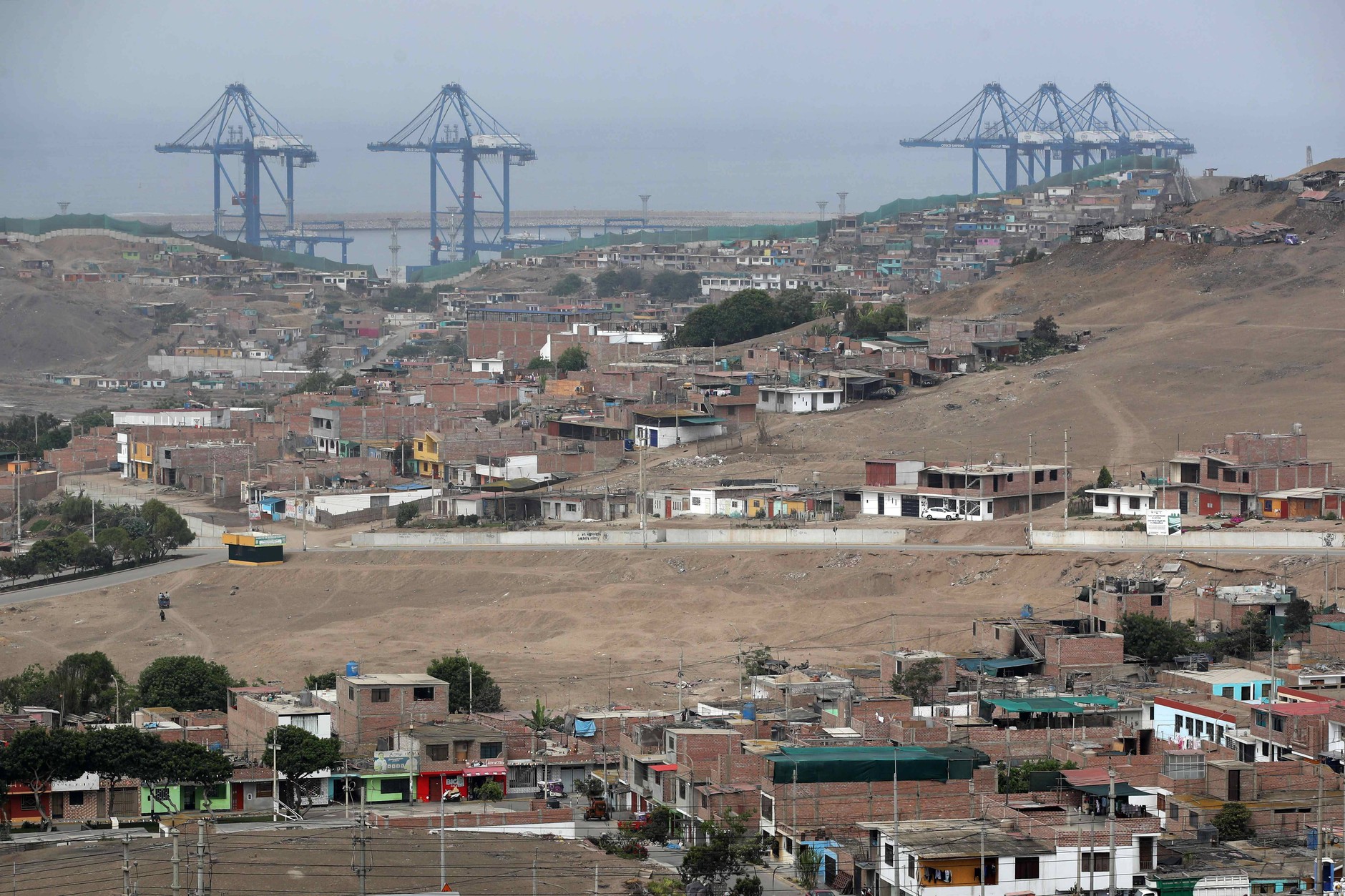
Cranes in the Peruvian port of Chancay operated by the Chinese company COSCOPaolo Aguilar / PAP
Attacking Venezuela will not solve US problems
It is for all these reasons that the Trump administration talks so much about the need to control the Western Hemisphere. This is why Trump talks about occupying Canada and Greenland and this is why he argues that the Chinese have taken over the Panama Canal and are also supplying fentanyl to Mexico. That's why Hegseth says the US must be responsible for the security of the Western Hemisphere and why he's fighting Venezuelan “narco-terrorists.”
However, there is no indication that the fight against the Maduro regime will contribute to reducing the amount of drugs smuggled into the United States, to making the country more secure, or to increasing Washington's influence and improving the image of Washington in the Western Hemisphere.
It is rather a substitute action and largely ideological, undertaken due to the inability to recognize the real and urgent migration and drug problems in the region.