Romania is among the European countries that have registered a constant decline in the number of employees who accept to work over the weekend, Eurostat data shows
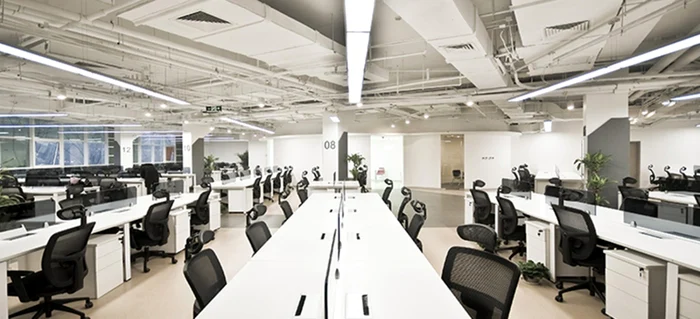
Romanians do not want to work on the weekend. Photo archive
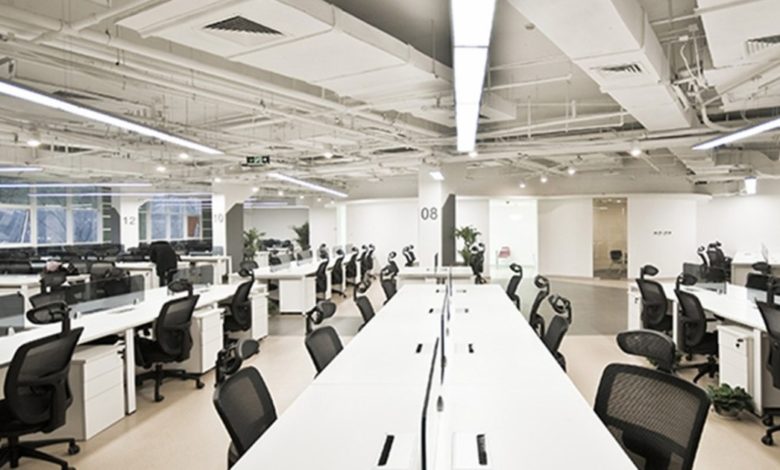
Romania is among the European countries that have registered a constant decline in the number of employees who accept to work over the weekend, the data of Eurostat shows, according to which in just 7 years, the number of those who accept to give up the days off has decreased by 10%.
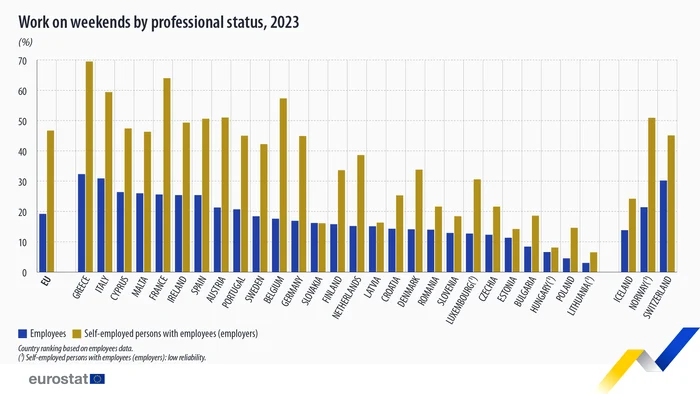
Thus, in just seven years, the number of Romanians who accept to work on the weekend decreased from 28.6% in 2016 to 18.1% in 2023.
This decrease places Romania below the average of the European Union, which in 2023 was 22.4%.
At the level of EU countries, Greece had the highest proportion of employees working on the weekend (32.3%), followed by Italy (30.9%) and Cyprus (26.4%). In contrast, the lowest percentages were registered in Lithuania (3.0%), Poland (4.5%) and Hungary (6.6%).
The reasons why Romanians do not want to work on the weekend are related to low pay, the need for balance between personal and professional life, increasing the percentage of employees working at home and implementing flexible programs by employers, but also lack of motivation and career perspectives.
What benefits would you like from employers
A new job and a salary increase are the main objectives of the Romanian employees for 2025, but also a balance between personal and professional life, according to a recently conducted survey.
4 out of 10 participants in the latest survey conducted by Ejobs Romania, they replied that the main plan they have for 2025, from a professional point of view, is to hire, or because they want to change their current job, or because they have been left without a job. 22.6% hope for a salary increase, 11.5% want to be able to work remote, 5.6% will be promoted, and 4.3% are planning to start a professional reconversion course. Almost 10%, however, say they have no reason to have optimistic expectations from 2025.
Another study, conducted by Benefits, shows that although 3 out of 5 employees believe that the extrasalarial benefits have a significant impact on their productivity, only 1 in 5 employees feel that the current benefit package is completely adapted to their needs.
According to the study, table cards, gift cards, holiday cards, cultural cards continue to be the most appreciated extrasalarial benefits in Romania, followed by free days (42%) and insurance policies (38%). At the same time, among the extrasalarial benefits that the Romanian employees would like are additional days (54%), Welness (41%) and professional courses (38%).
The days of leave and access to various benefits are essential aspects that contribute to the productivity of the employees. According to the study, 7 out of 10 Romanian employees believe that the free days have a significant impact on their performance, compared to 5 out of 10 globally. Also, the extrasalarial benefits such as insurance (5 out of 10 employees in Romania vs. 4 out of 10 internationally), transport (5 out of 10 employees) and access to education and professional development (5 out of 10 employees) plays an important role in supporting well -being and motivation.