Tiktok accepted ads containing false information. Now he wants to secure the platform during elections in Poland

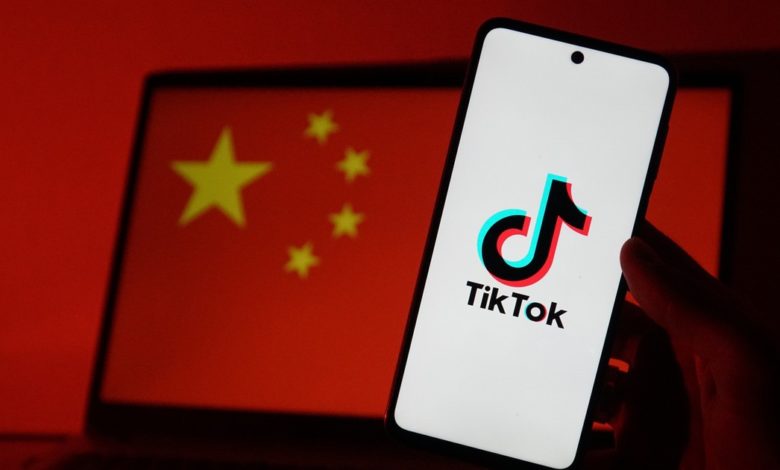
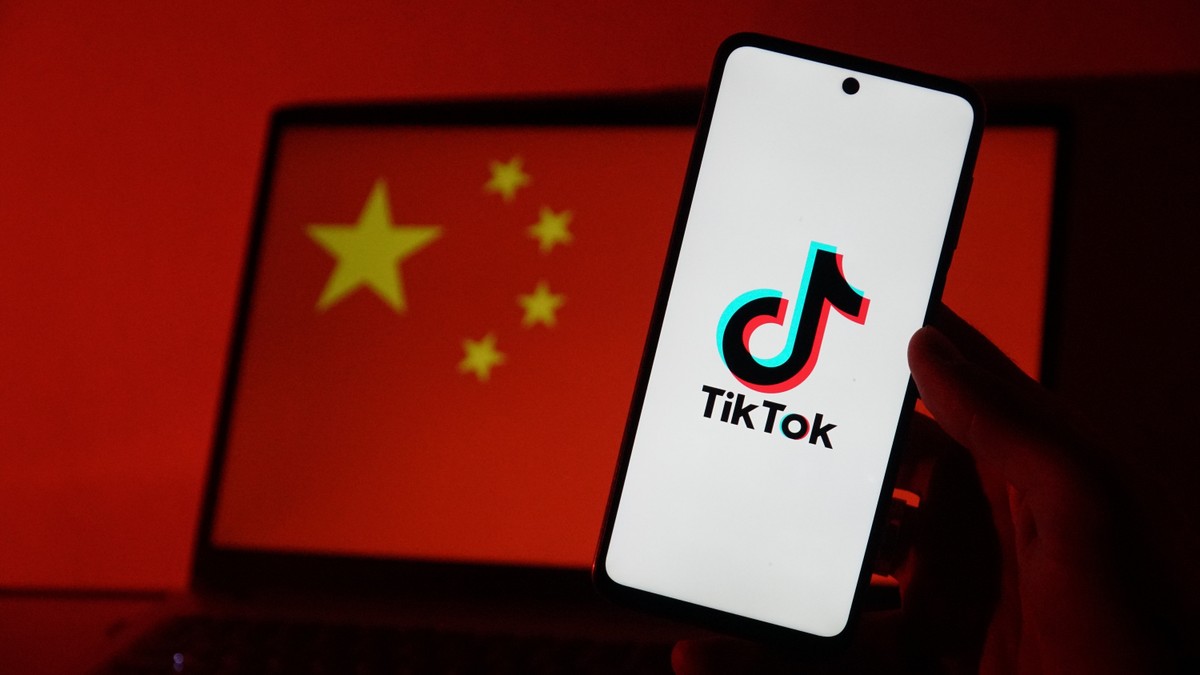
Tiktok announces activities for the integrity of the platform during the presidential election in Poland. However, he faces serious challenges. From 2020, Tiktok declares that it has protected the integrity of over 200 election processes in the world. In Poland, the platform was implemented for the presidential election 2025:
What do independent data say? The effectiveness of moderation still leaves a lot to be desired. In the Campaign to the European Parliament 2024, Tiktok removed 2,600 content violating the election integrity and 43,000. disinformation – 96 percent of them before they were reported. But there are also gaps in the system. The Global Witness test from October 2024 showed that Tiktok He accepted 50 percent paid advertising containing false information about voting, despite the ban on political advertising.
Another thing is a system risk. After suspected Russian interference in the election in Romania (2024), the European Commission initiated formal behavior towards Tiktok for possible DSA violations regarding “electoral risks”. In turn, on May 2, 2025, the Irish DPC body (Data Protection Commissioner) imposed 530 million euros on the tiktok insufficient data protection and transfers to China. The manipulation of thread networks on Tiktoku was one of the reasons for the annulment of the first round of presidential elections in Romania in 2024.
Cooperation in Poland
Tiktok gave Polish institutions the quick channels of reporting content violating the law. NASK coordinates the analysis of cyber threads.
The content in Polish is verified by the Demagogue, the results of the marking are and will be publicly available. There is also no paid political advertising – there is a ban, but sponsored influencers' cooperation requires additional markings, and their enforcement remains a challenge.
Other challenges before the election in Poland are first of all the transparency of the algorithm. There is a lack of the possibility of an independent recommendation audit, which means that coordinated campaigns may remain invisible to moderators. And secondly: reaction speed. In NGO studies, an average of 12–36 hours pass from the application to remove disinformation. It can be too long during the last hours of the campaign.
There is also AI content. Although Tiktok requires the marking of realistic content generated with AI, Identifying unmarked deep -fakes in Polish is still limited.
Thus, Tiktok has tools and partnerships that – if they are effectively enforced – can limit the scale of disinformation. However, recent penalties, regulatory investigations and test results of social organizations indicate that ensuring full security of elections requires further external control and greater transparency on the part of the platform.