2025-04-27 19:25
publication
2025-04-27 19:25
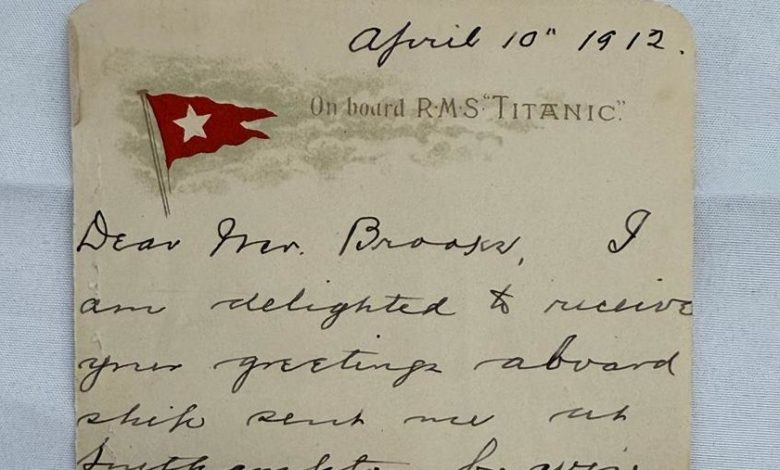
The letter written by the Titanic passenger four days before the ship's sinking was sold on Saturday at auction in Great Britain for a record amount of 300,000. pounds. Its author, American, colonel and businessman Archibald Gracie, survived the disaster – reminded the BBC portal.
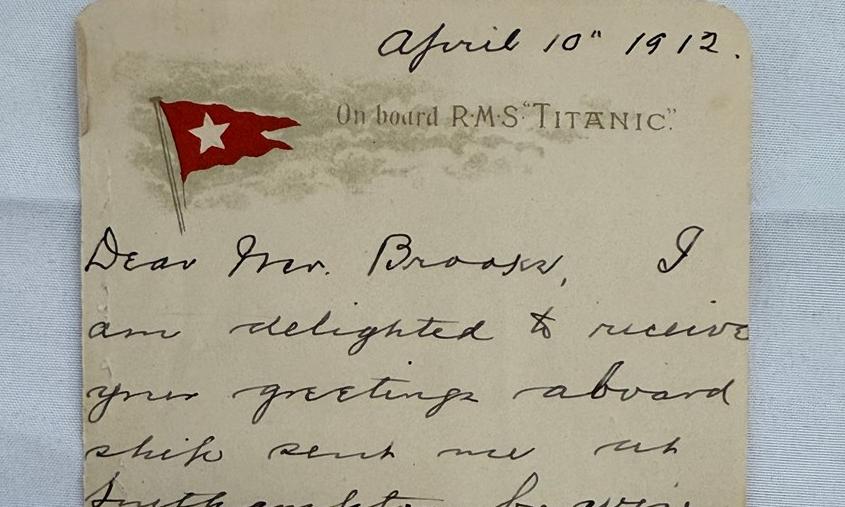
Henry Aldridge and Son auction house in Wiltshire expected that the letter sent on April 10, 1912 would reach a price of 60,000. pounds.
The media described a four -page letter as “prophetic” because the author, a first -class passenger, stated that he would abstain with the assessment of the “non -eatable” (as Titanica was advertised) the ship until the end of the journey.
The author of the letter was one of about 2,200 people (passengers and crew members) on board Titanic sailing on a virgin trip to New York. In the disaster, which occurred at night from April 14-5, over 1,500 people were killed.
The letter was written on board and sent when the ship moored at Queenstown, Ireland. According to the auction house, the letter reached the highest price among all correspondence written on board Titanic.
Colonel Gracie was known for the work “Truth about Titanic”, which he published in the autumn of 1912. He described in it how he helped to leave the woman to the launch, he mentioned the older marriage of the Strauss, who was on board and died together (Izydor Strauss said that “until he saw that every woman and every child on board this ship is in a rescue scratch, he will not enter her alone”). When the ship sank, Gracie reached the overturned rescue boat, he also helped to climb it to others. However, more than half of the men who managed to reach Łódź died of exhaustion or cold.
Although Colonel Gracie survived the disaster, his health seriously suffered from hypothermia and physical injuries. On December 2, 1912, he fell into a coma, and two days later he died as a result of diabetes complications.
In the posthumous obituary published by the New York Times, the author claimed that the memories of the disaster did not leave Gracie until the last moment. When he loomed – the journalist wrote – he said: “We must put them in Łódź. We must put them all in Łódź!” (PAP)
OS/ MMS/