The most radioactive place in the world. Was the main place to test nuclear explosions for the Soviet Union

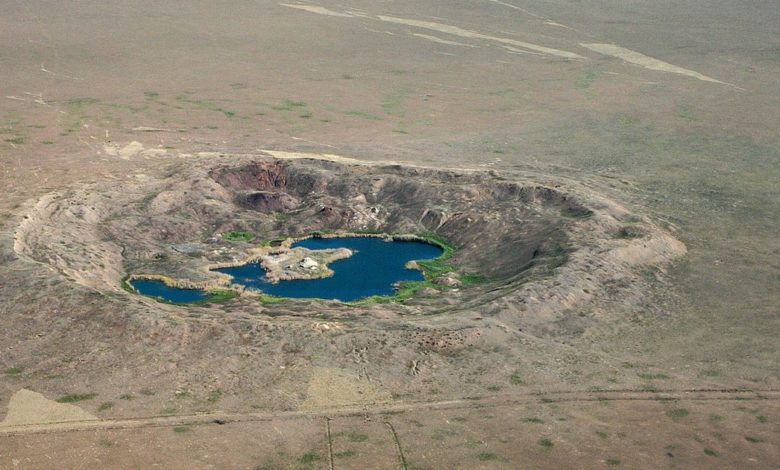
There is a place in the world where nuclear weapons have been tested for 40 years. During the Soviet Union, over 450 terrestrial and underground nuclear explosions were performed here.
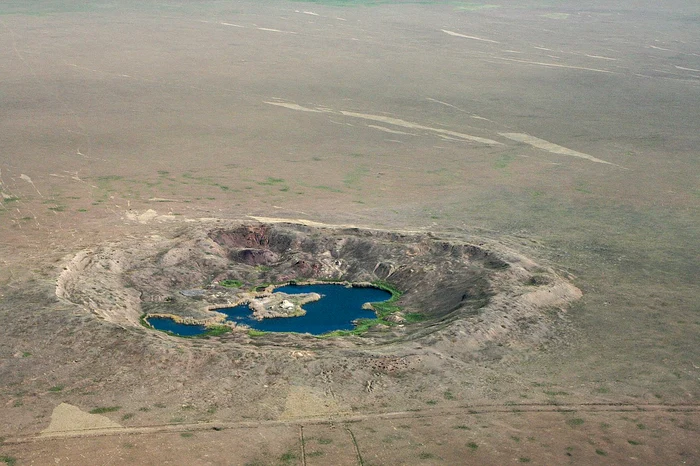
Crater formed in the perimeter of the semipalatinsk polygon as a result of a photo nuclear test: CTBTO
Lake Chagan, located in the northeast part of Kazakhstan, serves as a true testimony of the dangerous inheritance of the Cold War. Also known BUB Name of Atomic Lake, it was created by the Chagan nuclear test on January 15, 1965, in the area of the Semipalatinsk polygon, as part of the Soviet program no. 7, called “nuclear explosions for the national economy”.
In 1965, the Soviet Union performed a nuclear test explosion that created a crater with a depth of 100 meters and a diameter of 400 meters, on the place where the lake is today. It was only one of the hundred explosions that took place within four decades, from 1949 to 1989, in the vast surrounding area that served as the main nuclear testing of the Soviet Union.
The first nuclear weapon of the USSR was detonated at the semipalatinsk nuclear test polygon on August 29, 1949, according to the IFL Science publication. The bomb, known as RDS-1, represented a significant technological achievement for the Soviet Union. It was also the beginning of the nuclear weapons race that characterized the Cold War. In the next 40 years, the Soviet Union will carry out 456 nuclear tests at Semipalatinsk, of which 116 took place on the surface, while 340 were performed underground.
During its history, the Soviets have tested a whole range of different types of weapons on this site, including fission devices, as well as massive thermonuclear bombs.
Impact of radiation on the inhabitants of the area
One of the reasons why Semipalatinsk was so important for the Russians was due to its isolation and the ease with which it could be isolated from civilians. However, this did not mean that the area was completely uninhabited. There were several villages on the outskirts of the site, and the city of Semey, which was only 150 kilometers away, had over one million inhabitants. As such, these people were still exposed to the risk represented by the radioactive material thrown into the atmosphere, produced by the tests above the ground, especially since the Soviet Union did not try to warn the surrounding population.
Subsequently, the general population was exposed to dangerous radioactive materials both by contact with radioactive particles in the air and by using contaminated foods. Since the late 1980s, various studies have examined the potential effects that this exposure had on the inhabitants of the area. Currently, there is numerous information available in the specialized literature on this topic, which collectively indicates that the nuclear test has had a significant impact on the risk of different chronic diseases in the surrounding population, including cancers, thyroid diseases, immunological disorders and congenital malformations.
Doctors at the number 4 dispensary in Semipalatinsk, as well as scientists at the Biophysical Institute of the USSR Academy, performed radiation exposure assessments in 1958. Even then, they reported that 22% of the observed persons had radiation symptoms.
The Soviet Union performed its last nuclear explosion in Semipalatinsk in 1989, and the site, also known as the polygon, was definitively closed after the Soviet Union collapsed and declaring Kazakhstan's independence.
Since then, the test site has become an important symbol of the dangers related to nuclear technologies and their impact on health and environment.
Research on people living in the area continues, especially since scientists try to understand not only the long -term effects that radiation can have on people, but also how they can affect future generations.