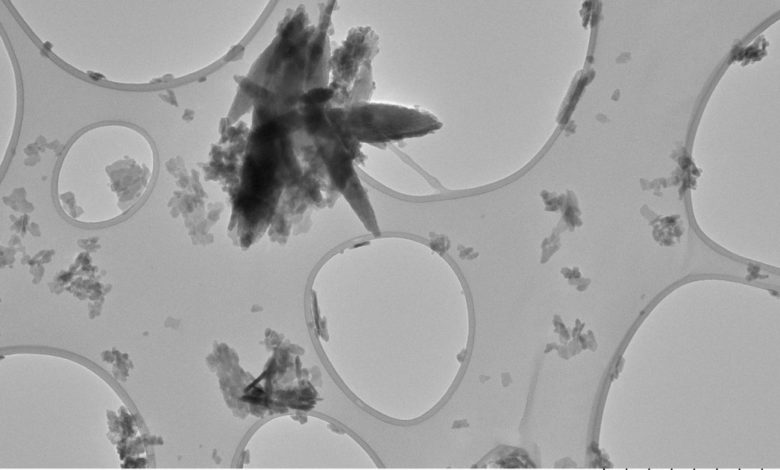
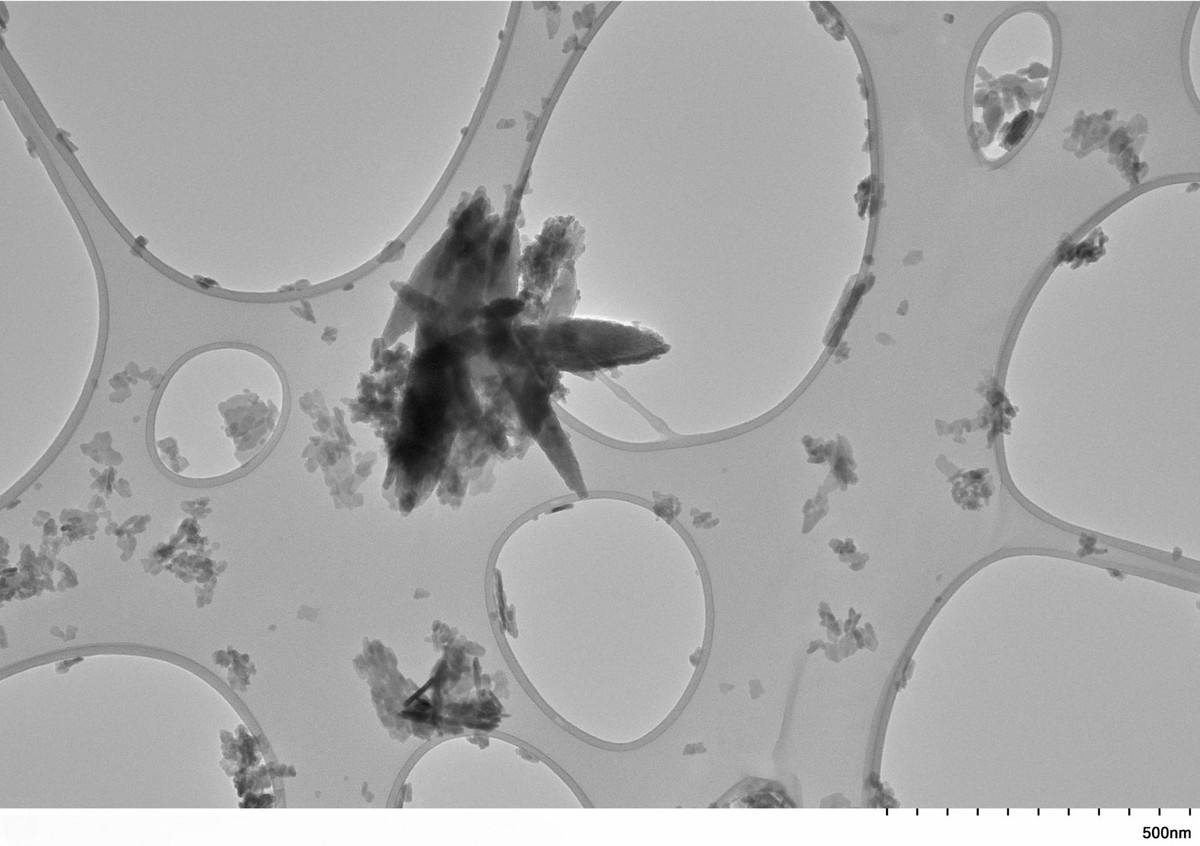
Scientists have discovered large amounts of microplastics in atherosclerotic plaques in stroke patients.
– In healthy arteries you can also find a microplastik – says Dr. Ross Clark from the University of New Mexico, who managed research. – But In these patients, with symptoms, the amount of plastic is really much greater – he adds.
Clark and his team have examined the amount of micro- and nanoplastik in atherosclerotic plaques- fatty deposits that can block blood flow and lead to a heart attack or stroke. It turned out that compared to healthy arteries, atherosclerotic plaques had 16 times more plastic. AND In patients after a stroke, mini boys or with vision problems, there were 51 times more plastic.
– It is impressive and does not bode well – comments Dr. Jaime Ross from the University of Rhode Island, who did not participate in the study, but herself examines the influence of microplastics on the mouse's body. – Already three times the difference is something strong, and here we have 51 times more – he adds.
It is not yet known what exactly plastic does in these plates, if it does something at all. But the test gives some tips.
Plastic affects genes?
Clark is a vascular surgeon, not a microplastic specialist. He was inspired by a conversation with a friend who recently discovered plastic … in the human brain.
“We realized that almost nobody studied microplastics in the circulatory system,” says Clark.
Earlier studies have shown that People with plastic in atherosclerotic plaques have a greater risk of stroke, heart attack or death. Clark took samples from cervical arteries of 48 people. In addition to the amount of plastic, his team also discovered differences in the activity of genes in cells from the plaques.
In an environment with a lot of plastic, some immune cells turned off the gene responsible for inhibiting inflammation. Changes have also occurred in stem cells, which usually prevent atherosclerosis.
– Can microplastik affect gene expression? Clark wonders. – We need more research, but this is a good starting point – he adds.
Ross agrees with him. – These plastics apparently do something. We just need to understand what – he notes.
“We know it is, but we don't know what he is doing”
Studies on microplastics in the human body are something new. Clark and his team analyzed samples, heating them to over 1000 degrees Fahrenheit (around 537.78 degrees Celsius) to spread plastic and detect its presence.
The problem is that fats from plaques can give results similar to the most common plastic – polyethylene. Clark claims that the team took care of the removal of these fats, but the method still has restrictions.
He wants to continue the research and check how plastic affects immune cells in the walls of blood vessels and conduct experiments on animals.
“We just don't know,” he says. – Most of what we know about microplastics in the human body can be summarized: “He is there, but we don't know what he is doing yet,” he sums up.
The article is a translation from the American edition of Business Insider.