The European Central Bank will choose new euro symbols. An outstanding Polish woman may end up on banknotes


By the end of 2026, the European Central Bank is to decide what the new series of euro banknotes will look like. They will feature either natural or cultural motifs.
The text continues below the video
The 20 euro banknote may feature the image of the Polish Nobel Prize winner Maria Skłodowska-Curie.
With the new year, Bulgaria joined the euro zone as the 21st member state. For the first month, Bulgarians will still be able to pay in leva, but from February the euro will become the only official currency. Holders of the national Bulgarian currency must therefore irrevocably exchange the leva for the new currency.
Architectural motifs from the euro will become a thing of the past
Banknotes that have the same appearance in all euro area countries have been put into circulation in Bulgaria. The situation is different in the case of coins – one side looks the same everywhere, and the other has a national character. For example, Bulgarian eurocents feature the image of the Madara Horseman, a medieval relief painted on a rock, included in the UNESCO World Heritage List.
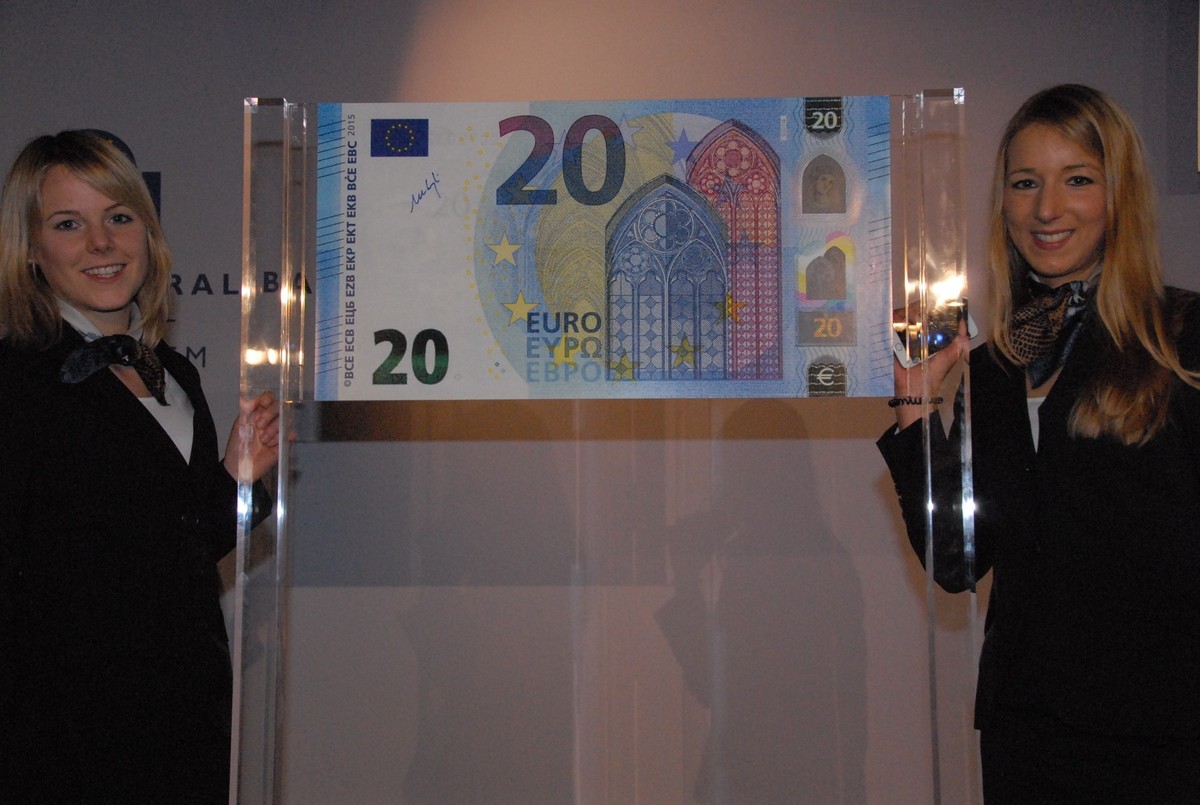
Since the euro was introduced in 2002, banknotes have featured the same architectural motif, featuring gates, windows and bridges in architectural styles from seven European eras. The 20 euro denomination currently in circulation features a Gothic-style window.
Soon, a banknote of the same denomination may feature the image of Maria Skłodowska-Curie. In 2021, the President of the European Central Bank (ECB), Christine Lagarde, announced that 20 years after the introduction of the euro, it was time to refresh the graphic design of European banknotes.
See also: Warren Buffett is retiring. This is the story of how he survived 17 days on hamburgers and cokes
However, the process of introducing new-look banknotes into circulation is significantly delayed. The new design was to be selected by 2024, but three years after the announcement, the ECB only announced potential motifs that may appear on the new series of banknotes. It will either be a nature theme with birds and rivers, or a cultural theme with figures significant to European heritage; within the latter, a Polish woman was selected as the heroine.
Graphic designers from across the EU were able to take part in the competition for the designs of new euro banknotes. Artists selected in 2025 now have until the end of March 2026 to present their ideas.
According to the information on the ECB's website, the projects that will proceed to the next stage will be subject to public consultations in June, and the Governing Council (the Management Board of the ECB together with the governors of the central banks of the euro area countries) will select the final design of euro banknotes by the end of the year.
“After making the final selection, the Governing Council will decide on the date of commencement of production and issue of new euro banknotes. No date has been set yet when they will enter circulation. It will therefore take several years before the new banknotes reach Europeans' wallets,” the ECB said.
Ambiguities regarding the full name of the Polish Nobel laureate
The proposal to place the famous Polish woman on the denomination caused a misunderstanding. In its statement, the ECB writes: “Marie Curie (née Skłodowska)”. Last year, the reduced version of the surname attracted the attention of the Ministry of Science and Higher Education, which in an appeal to the ECB called for the Polish spelling of the Nobel laureate's name and surname to be included on the banknote.
When asked by PAP about this matter, the ECB replied that the decision on whether Skłodowska-Curie would appear on the banknote at all would be made by the end of 2026. The Bank's press service added that if she were to appear on the banknote, the decision to include the Nobel laureate's name and surname would be made after an extensive and comprehensive discussion.
The Nobel laureate appeared on banknotes of national currencies that were in force before the introduction of the euro or denomination. For example ine France her image (together with her husband Pierre Curie) adorned the last banknote of the highest denomination 500 French francs (500 FRF), which was in circulation until the franc was replaced by the euro. In Poland Maria Skłodowska-Curie was the patron of the 20,000 zloty banknote in the 1990s (before the denomination in 1995).