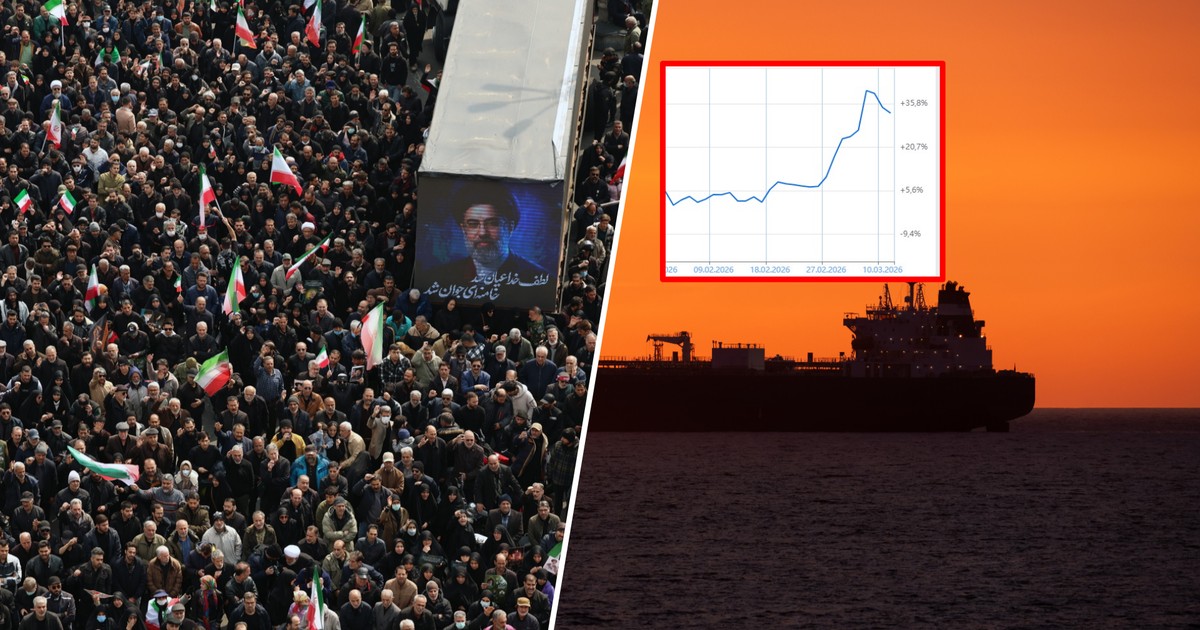
According to Reuters analyses, up to 40 percent the country's export capacity has been put out of use.
The rest of the text below the video
Read also: Instagram, Facebook, YouTube and other platforms are expected to pay millions. There is a verdict
In recent weeks, Ukraine has significantly intensified its actions against the Russian fuel sector. The most important export ports became the target: Novorossiysk on the Black Sea and the Baltic Sea ports of Primorsk and Ust-Luga.
According to market estimates the currently decommissioned infrastructure is responsible for approximately 2 million barrels of oil per day. Damage also included the strategic Druzhba pipeline, the section of which running through Ukraine to Hungary and Slovakia was affected.
Kiev openly declares that its goal is to limit Russia's income from oil and gas exports, which constitute a significant part of the state budget.
“This is the most severe supply disruption in the history of Russia as the world's second-largest oil exporter” – indicate market analysts quoted by Reuters.
Read also: Iran responds to the US plan. He sets conditions
This situation is unfavorable for Russia because it is taking place in the meantime a strong increase in oil prices as a result of the outbreak of the conflict in the Middle East.
Problems also at sea
An additional blow is the seizure of tankers linked to Russia in European waters. According to estimates, this blocked the export of approximately 300,000. barrels of Arctic oil transported from Murmansk.
Russian authorities have introduced extraordinary security measures in response to the situation, but protecting the vast infrastructure – from refineries to pumping stations – is proving to be a huge challenge.
Russia in an energy trap
Facing problems on western export routes Moscow is trying to increase sales to Asia. However, infrastructure capacity remains a limitation.
Although pipelines to China operate without interruption, they are not able to absorb the entire volume of oil previously directed to Europe. As a result, Russia's energy sector finds itself in a difficult situation – between damaged infrastructure in the west and insufficient transport options in the east.