Camp Greaves. This is what the abandoned US base looks like at the border with North Korea

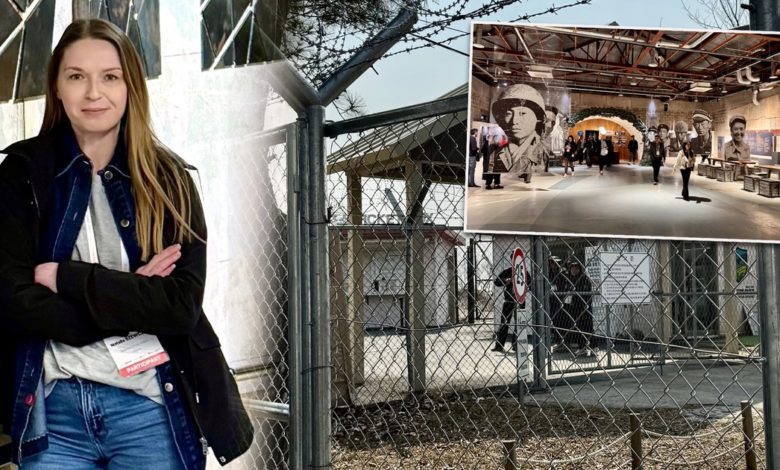
I visited Camp Greaves at the beginning of April during my last trip to South Korea. It was a US military base near the Korean demilitarized zone – it is two kilometers away from it, four from the border of North Korea. It is located in Paju in the province of Gyeonggi, about an hour from Seoul.
Americans from the 1st Battalion of the 506th Infantry Regiment of the 2nd Division served for about 50 years, from July 1953, when the suspension ending the Korean war between North and South was signed. American soldiers were stationed there until August 2004 – then the last representatives of the US troops were moved to Camp Humphreys, another base in South Korea (currently the largest foreign military base of the United States).
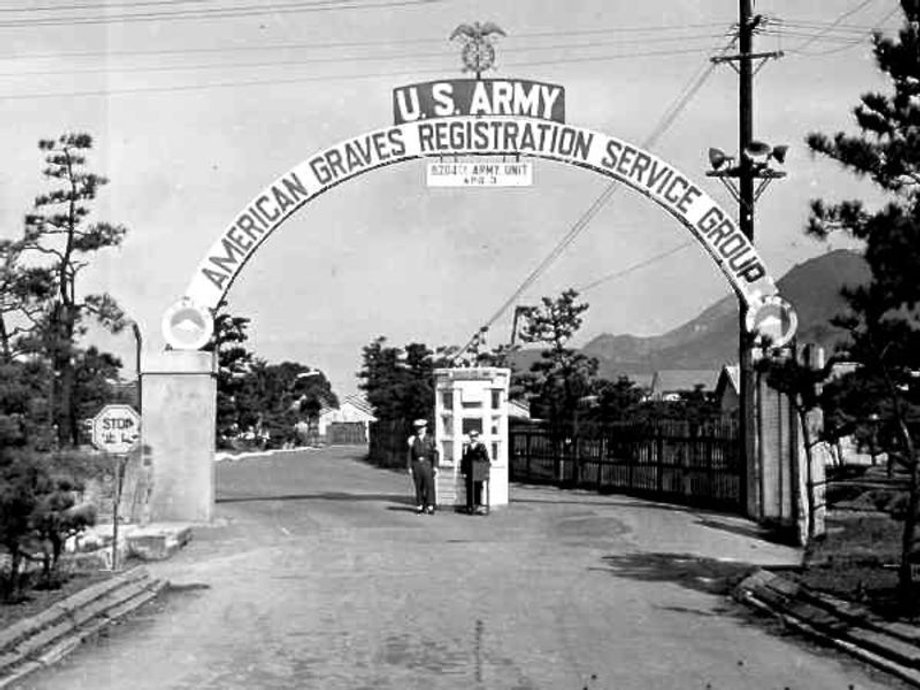
This is how the entrance to the Camp Greaves database looked like years ago
|
Asia-Pacific Journal (apjjf.org)
The area was officially returned to the South Korean Government in 2007 to the center, which it is currently, it gradually began to be transformed from 2013. Today, Camp Greaves is an educational center focused on peace and security. The authorities of the province of Gyeonggi emphasize that in the database they have a significant historical value that allows visitors to “remember about the past and understand the present”.
In the bowling alley you will learn what the demilitarized zone is
In most cases, tourists to Camp Greaves can reach By overcoming the 850-meter route on the gondola cable car on the Imjin River-in 2023 it was done by 490,000. people.
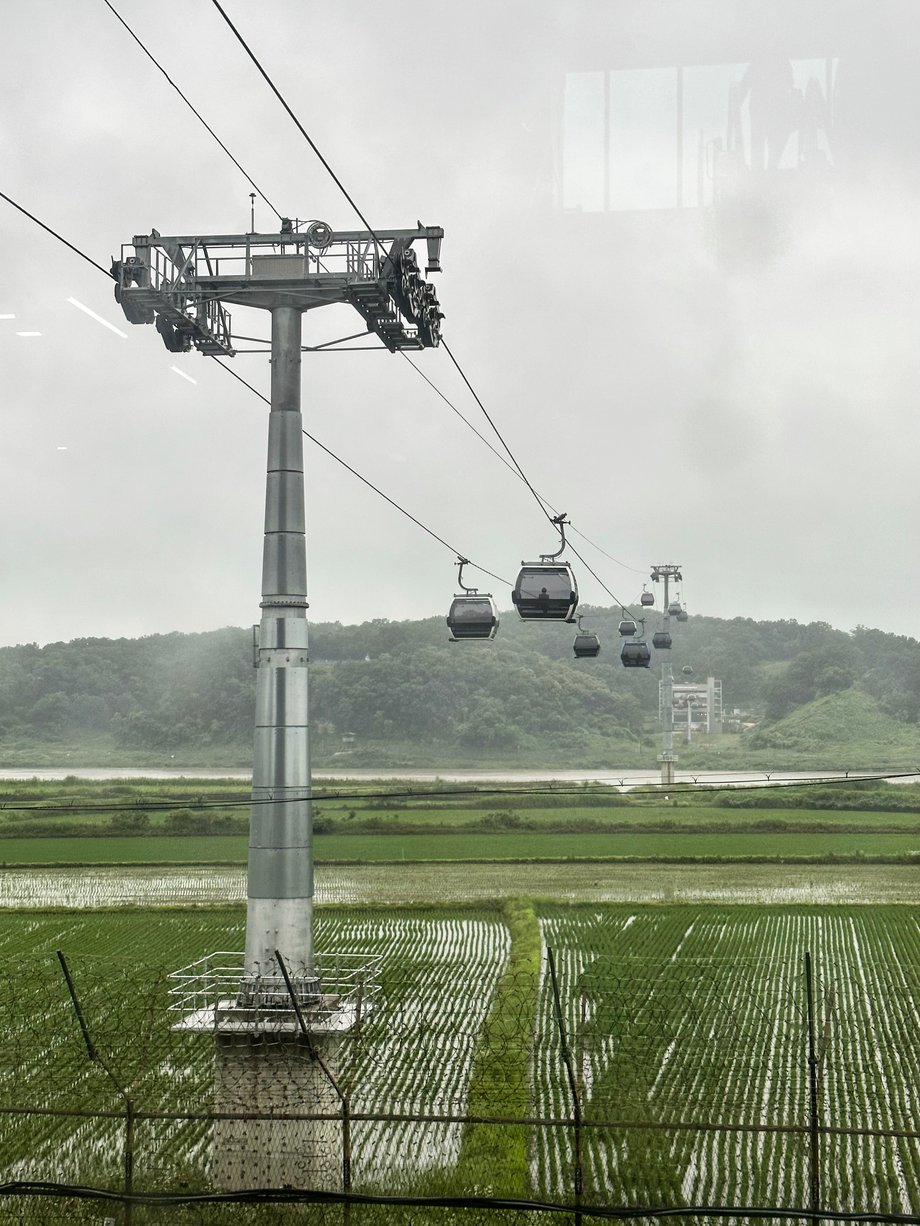
You can reach the base by train
|
Natalia Szewczak
Read also at Business Insider
The base can also be reached by land and enter the main gate – in this case you must have permission from the Korean authorities. This area is not available to all visitors. During the stay in South Korea on the occasion of World Journalists Conference organized by the Journalists Association of Korea, I could use the latter option.
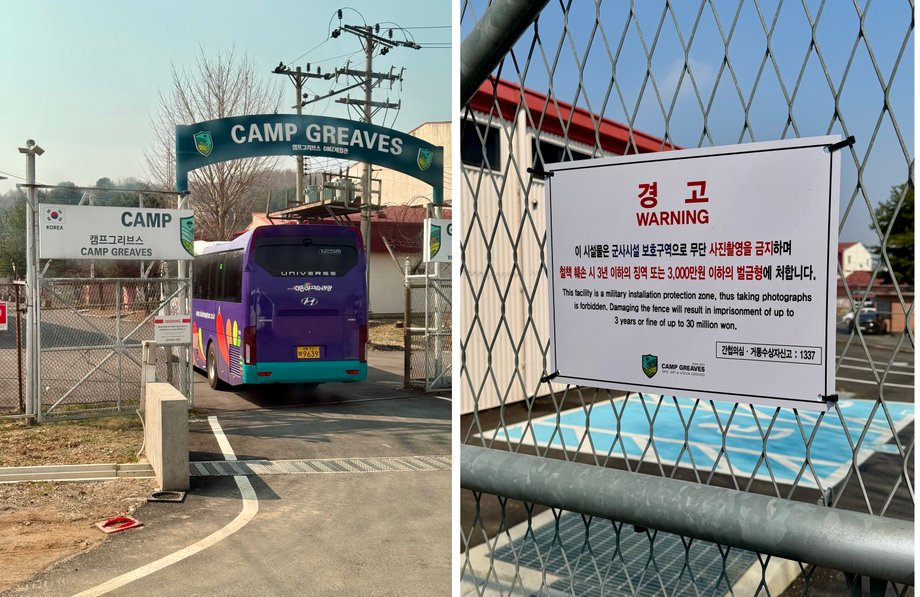
On the left: entry gate to Camp Greaves. On the right: a plaque informing that the destruction of the fence threatens the base with a penalty of up to three years in prison or a fine of 30 million won (approx. PLN 80,000)
|
Natalia Szewczak
Camp Greaves can under no circumstances be called a typical museum-closer to the gigantic historical, educational and cultural center.
The buildings scattered on over 20 hectares that served the Americans, among others As quarters, offices, sports hall and other military facilities, they were transformed into commemorative rooms and art galleries. Inside, because they have changed virtually no change outside.
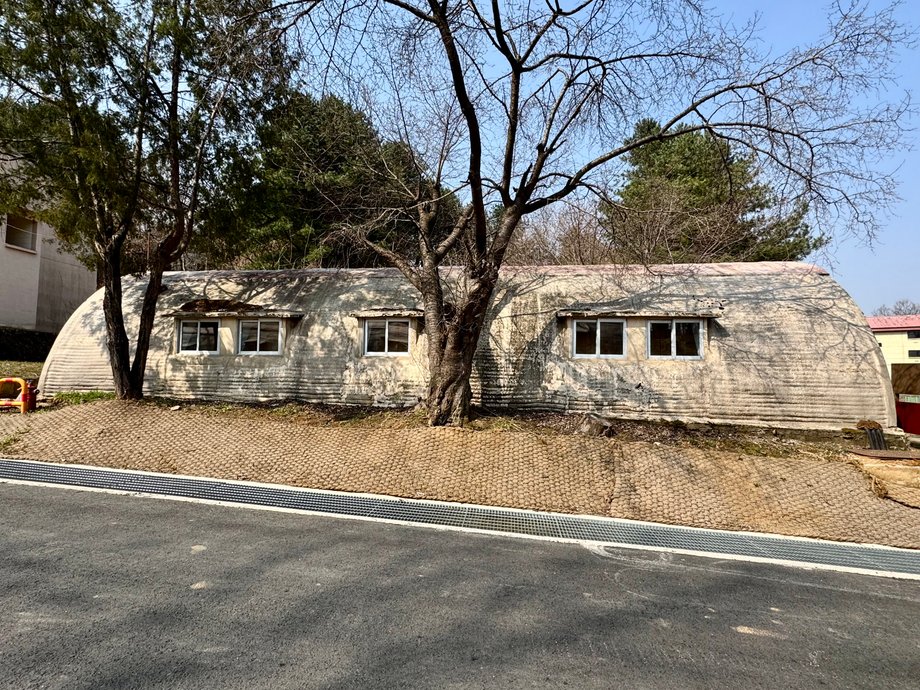
One of the buildings in which American soldiers were stationed at the border with North Korea
|
Natalia Szewczak
One of the key points of the camp is Galeria Gaaves. Formerly a bowling alley used by American soldiers stationed here, In 2020, it was transformed into an exhibition space, where it was explained in an accessible way, What was it and still by the demilitarized zone.
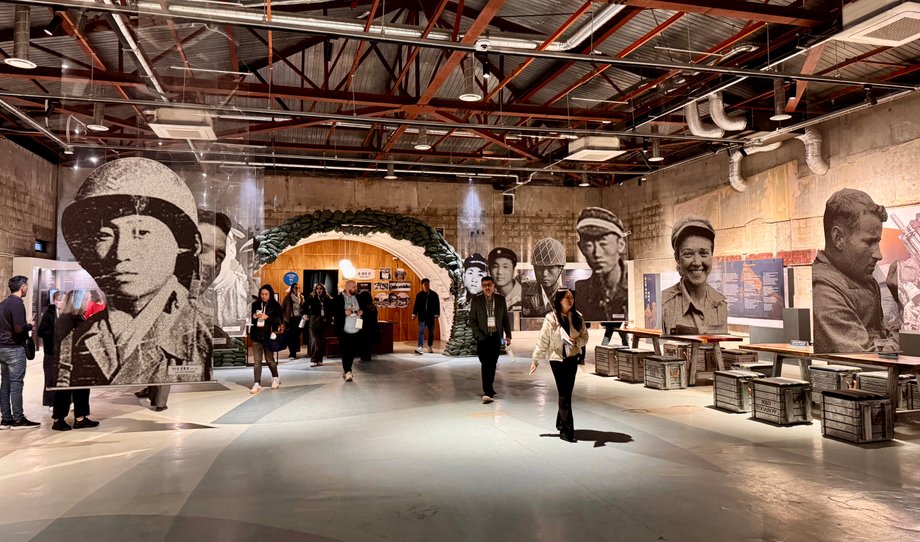
Once a bowling alley for US soldiers, today an exhibition
|
Natalia Szewczak
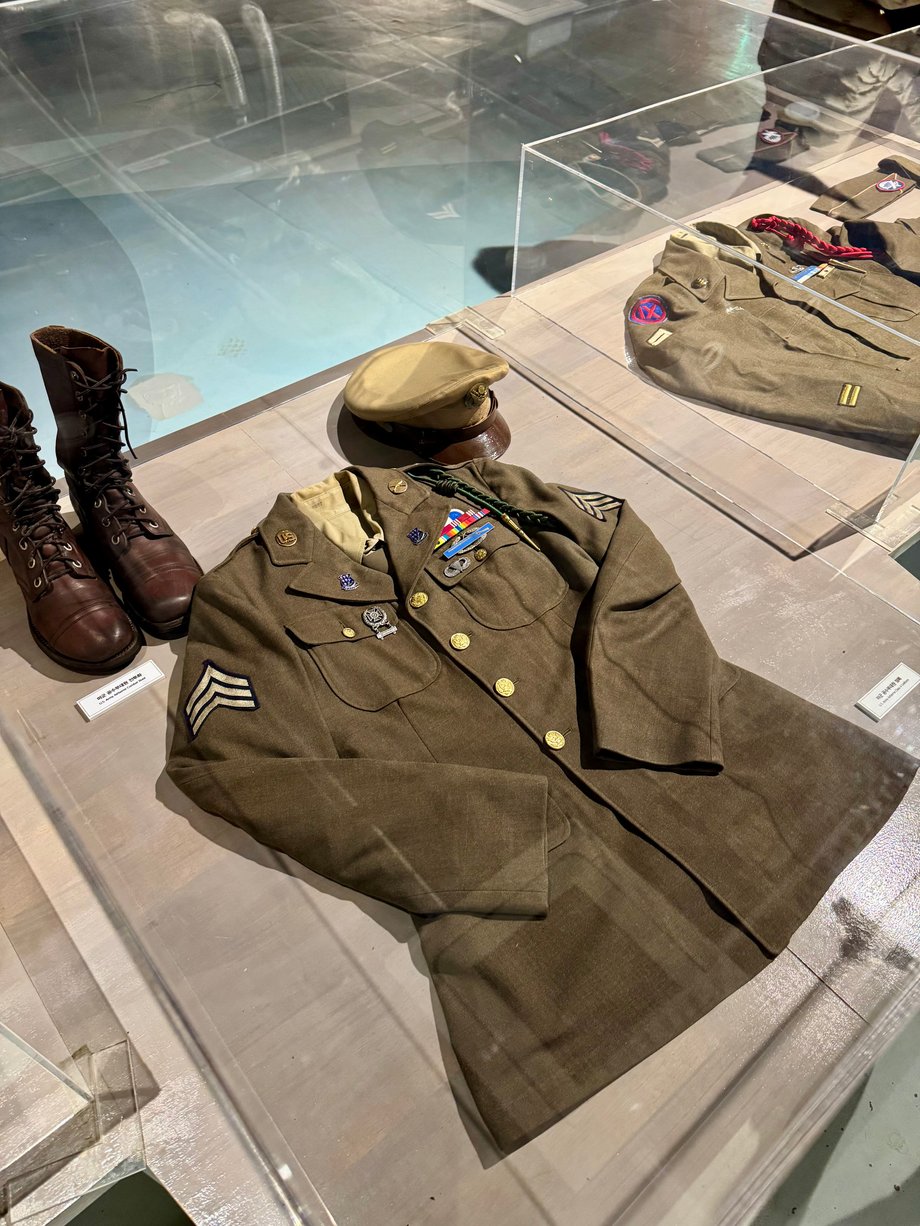
A uniform of an American soldier stationed in South Korea
|
Natalia Szewczak
Let's explain and we:
– demilitarized zone (DMZ, Demilitarized Zone) It is a strictly defined area of the state belonging to the territory of the territory, in which it is in accordance with international law The government cannot arrange for troops or military installations.
– DMZ was created on the Korean Peninsula when the Korean war, which began on June 25, 1950, was suspended by a truce of July 27, 1953. In other words, in other words, in other words, DMZ was created when the Korean war was not completed, but only suspended, and North and South Korea agreed to withdraw their armies after 2 km north and south of the demarcation line (MDL, Military Demarcation Line), which became its center.
– There is also the concept of “civil control line” (CCL, Civilian Control Line), which means a limit set about 10 km outside from MDL. A 10 km long area between CCL and MDL is a zone with limited access to civilians. Initially, it was established to limit the agricultural activity of civilians. Due to the fact that the armed forces have focused on defending the arms suspension line, authorized persons can access and live in this area. The access of civilians to this area, however, is still strictly controlled by the army.
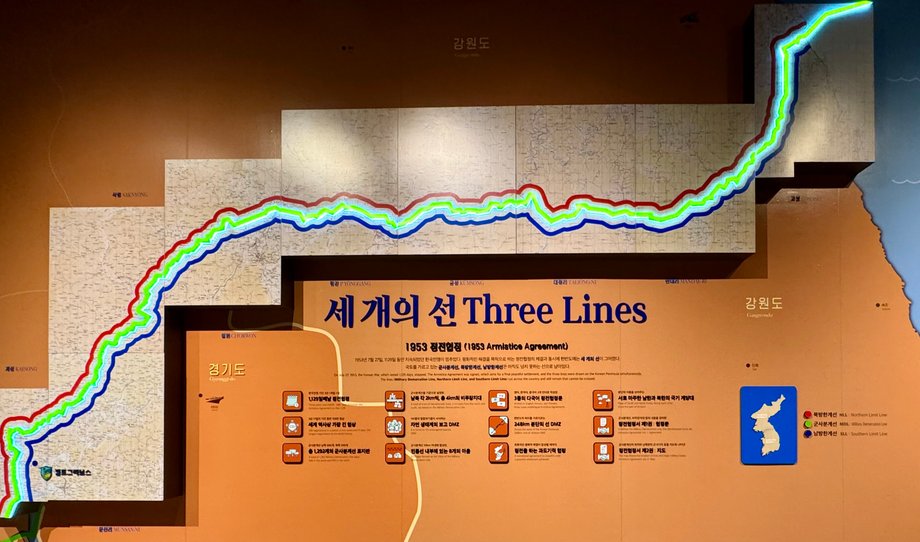
Three lines: civil control line, demilitarized zone, demarcation line
|
Natalia Szewczak
A line that cannot be exceeded
There are dust magazines in the base. They were created to supply American military bases with ammunition. Concrete buildings are able to withstand an explosion and can still serve as shelters.
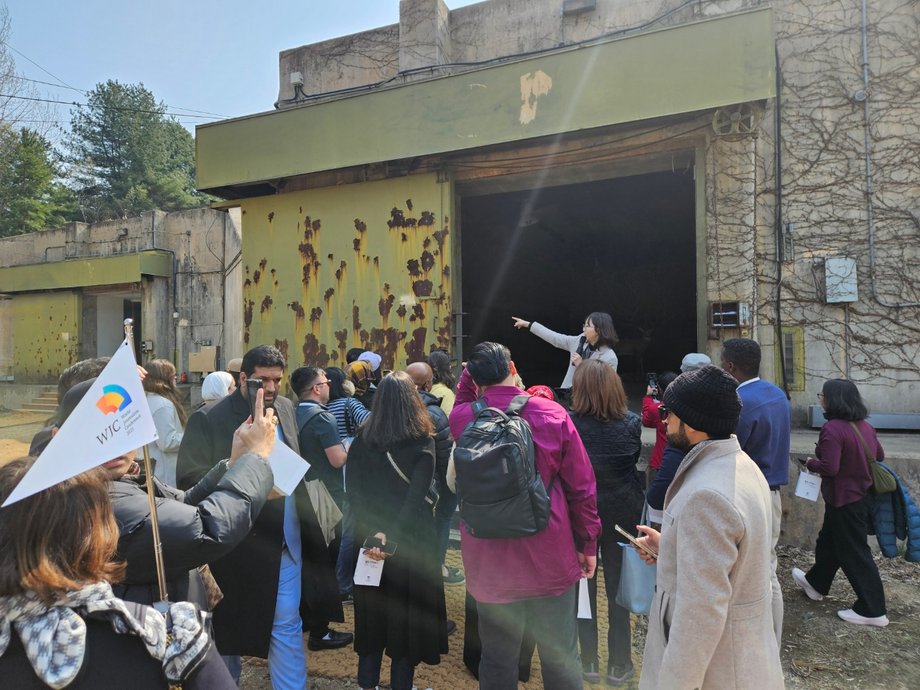
Former ammunition warehouse
|
HOW
Every day, however, they perform a different function. Interactive exhibitions were located inside them. The authors of the project explain: warehouses for gunpowder are a symbol of war, while the artistic installations presented in them symbolize peace.
One of them is “To Not Cross This Line” – Where the so -called Projection mapping (lighting of objects using a projector). After entering the warehouse and closing its massive door, space It sinks around me in total darkness. On the floor there is the words: “Do not cross this line”, which means the border of South Korea and North Korea, and in the windows painted with light, Panmundże begins, where there is a joint security zone (JSA, Joint Security Area) – the nucleus of the demilitarized zone.
It is all the more symbolic for me, because the zones in which I have been twice, this time I cannot visit – it is closed to visitors for two years. The loss is quite a lot, because it is the most important and interesting point of visit to DMZ – A place where you can cross the Korean border and officially be in North Korea.
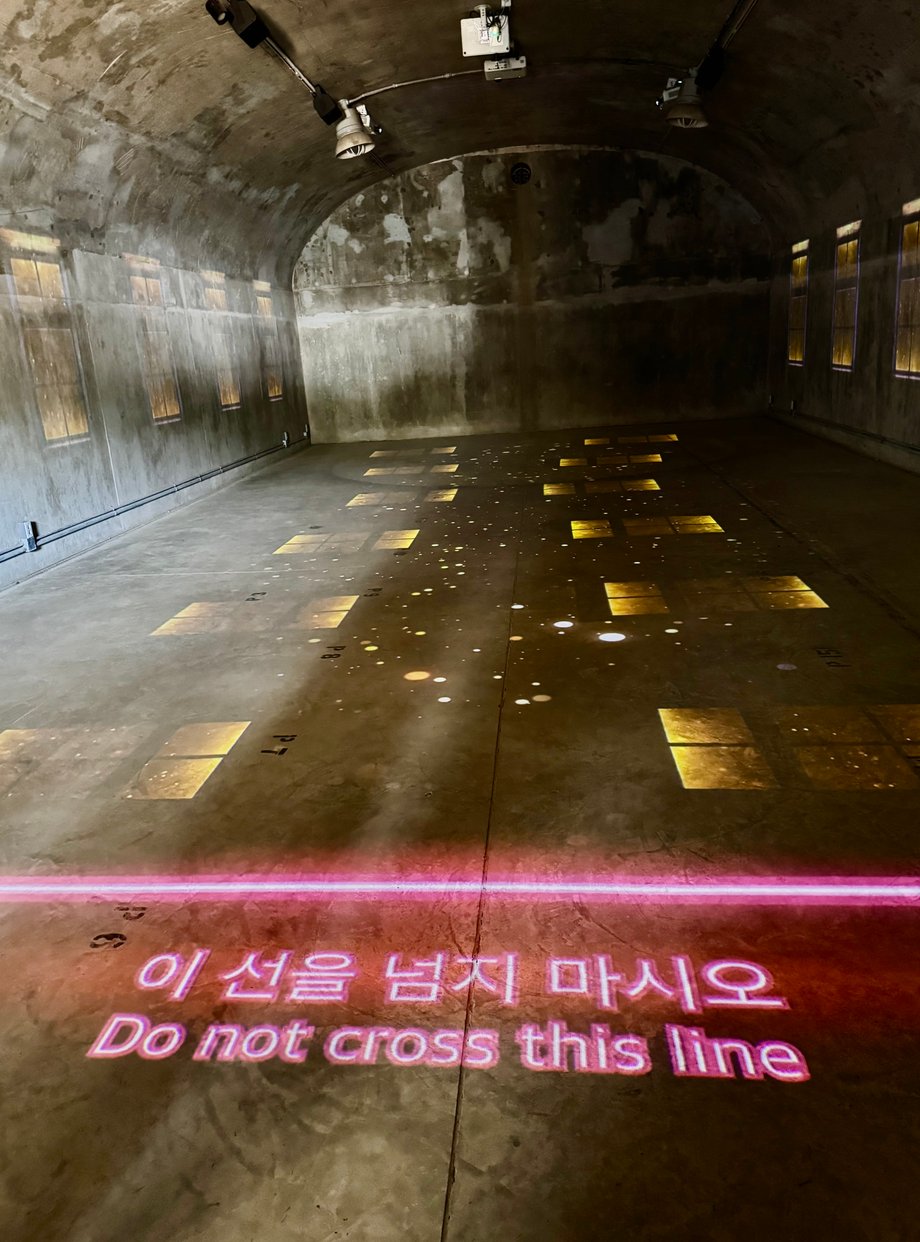
“Do not exceed this line”
|
Natalia Szewczak
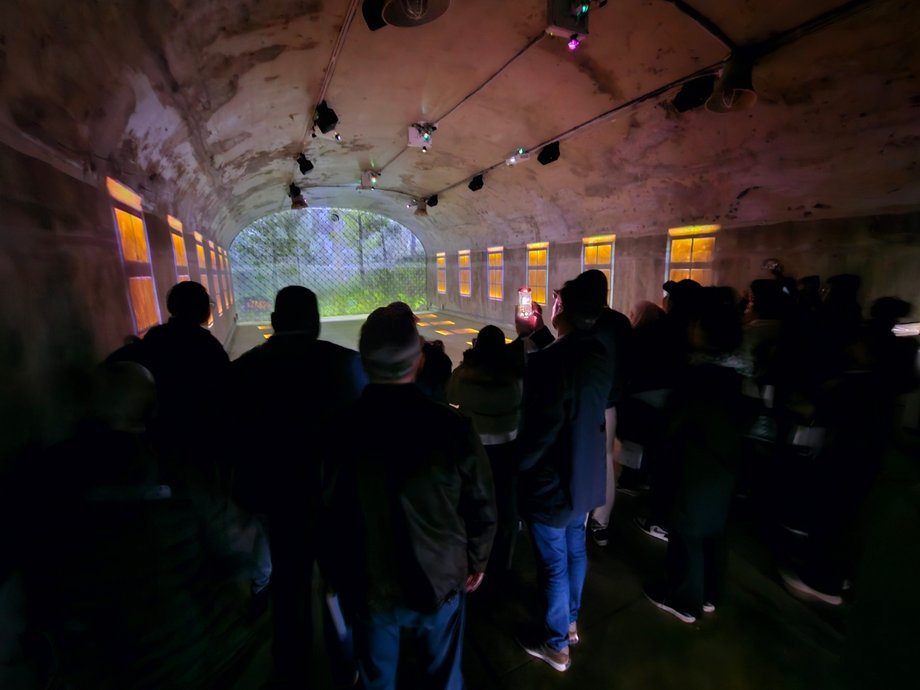
In the light -painted windows, the Panmunds appeared – the nucleus of the demilitarized zone
|
HOW
“One line drawn on the map. We became a divided nation through it. The powder magazine, filled with the most terrifying war materials, is a place where we want to put our past – explain the authors of the exhibition.
The interior of the next magazine is a surprise for me – in the former magazine on dust I could expect a lot, but it certainly would not be looking into my eyes A deer with huge antlers that grow and intertwine, creating a tree. The author of the Kim Myeong-Beom installation explains that “this is not just about a combination of contradictions-war and nature-but about contact points that can create a new story.”
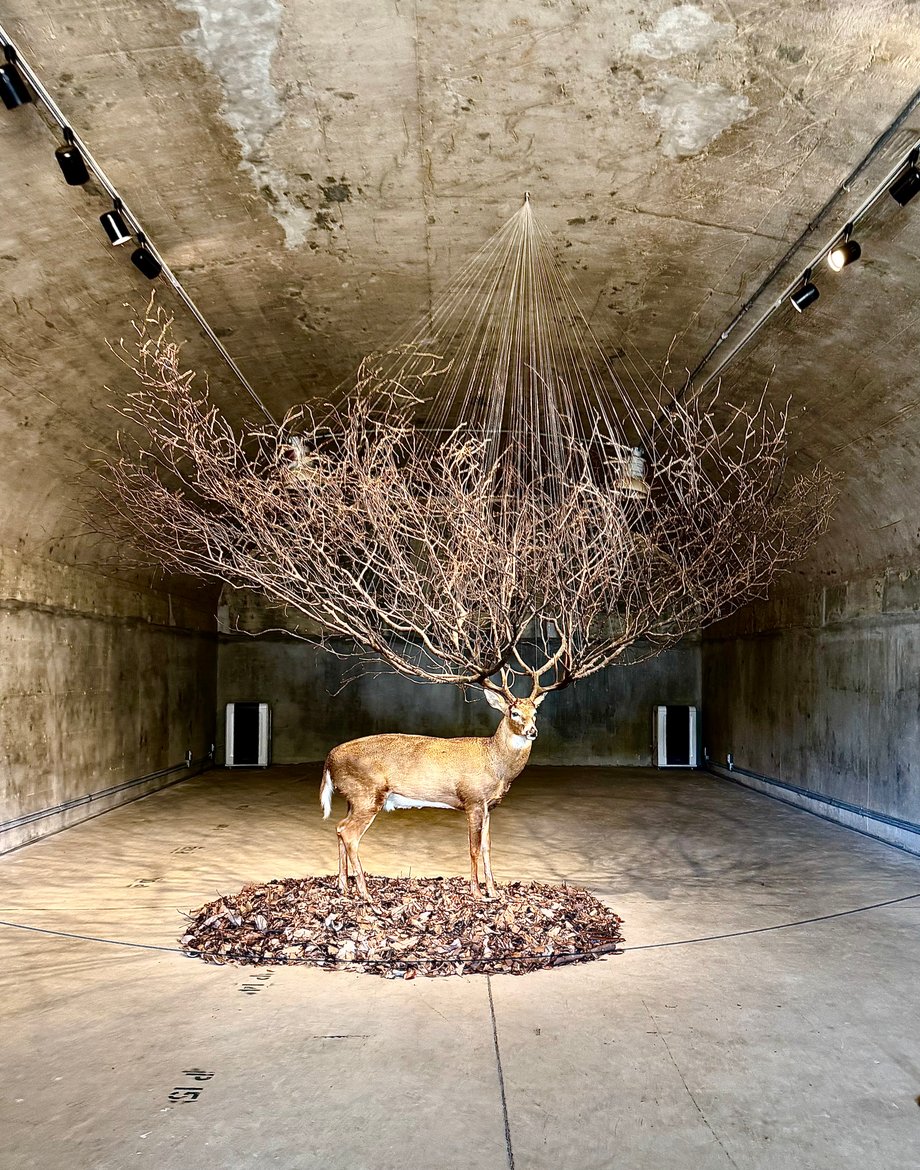
Former ammunition warehouse
|
Natalia Szewczak
Poland stop
There are more surprises in Camp Greaves. You can find quite a lot of Polish threads in the center about Korean history, Because the fate of Poland and Korea (both South and North) intersect regularly in history. Also in the context of the relationship with North Korea.
A special Polish exhibition hall was created in the base, which is dedicated to the war orphans from North Korea sent to our country. In 1951, Kim Ir Sen asked the member states of the Warsaw Pact for help to children suffering from the Korean war. As a result, Poland decided to accept 1.5 thousand. war orphans from the DPRK.
You can see photos of orphans from North Korea, which stayed in Poland in 1951–1959. Ultimately, all children – at least officially – returned to their homeland in 1959, when the country was able to overcome war destruction and function independently.
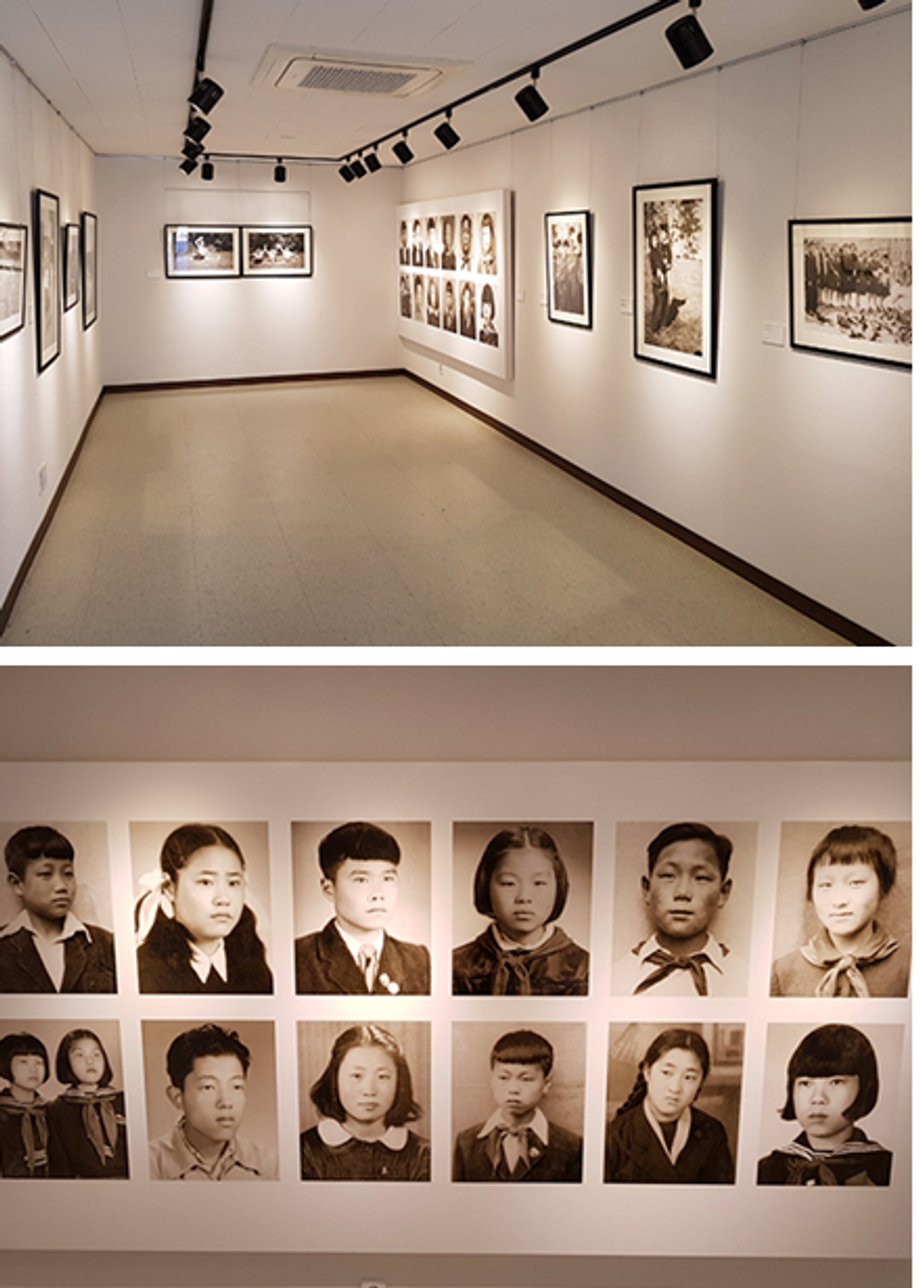
Polish exhibition hall
|
Camp Greaves
Like in the zone nucleus
I meet more Polish accents at Camp Greaves. As in the part dedicated to the Supervisory Board of Neutral States, which has been supervising the suspension of weapons between North and South Korea since 1953. Currently, it includes Switzerland, Sweden and Poland (formerly also the Czech Republic).
Why these countries? Only countries that did not participate in the Korean war could belong to the commission, South Korea and UN command chose Switzerland and Sweden, while North Korea and China – Poland and Czechoslovakia. Currently, Switzerland and Sweden maintain their offices in South Korea, while Poland and the Czech Republic have returned to their countries, with Poland performing its duties from the territory of its own state.
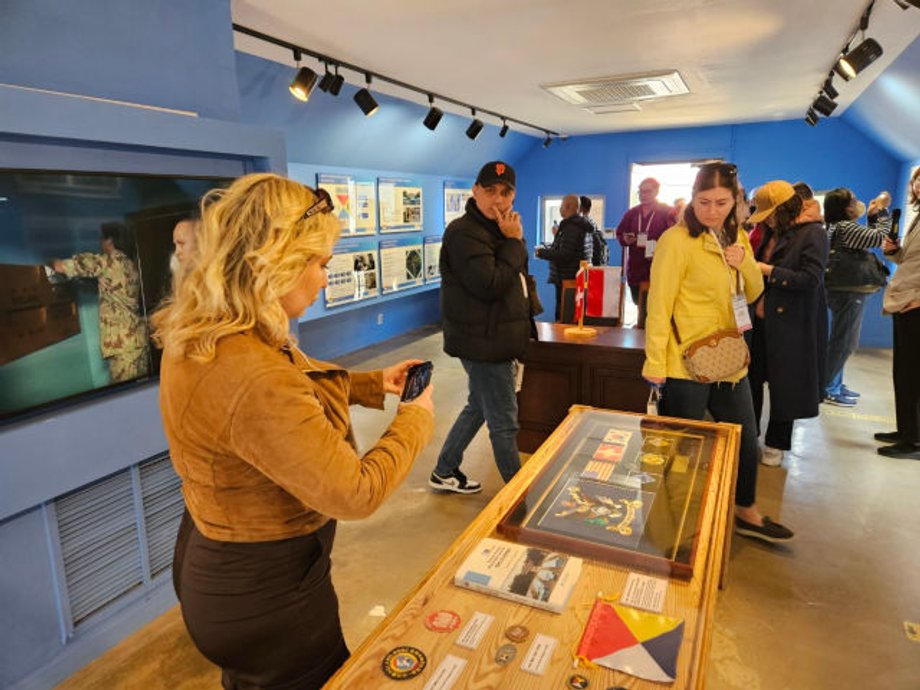
Museum of the Supervisory Board of Neutral States
|
HOW
The exhibition is a rich collection of souvenirs, artifacts and photos from the region of the Korean demilitarized zone and its nucleus (JSA) itself, which in the 1950s were made by member states.
It can be seen in a room that the office of American soldiers previously performed, and today it looks reproduced by a real building, which is located exactly along the Korean border in Panmundżomie. At least yes, at least for a while, you can feel like in the nucleus of the demilitarized zone.
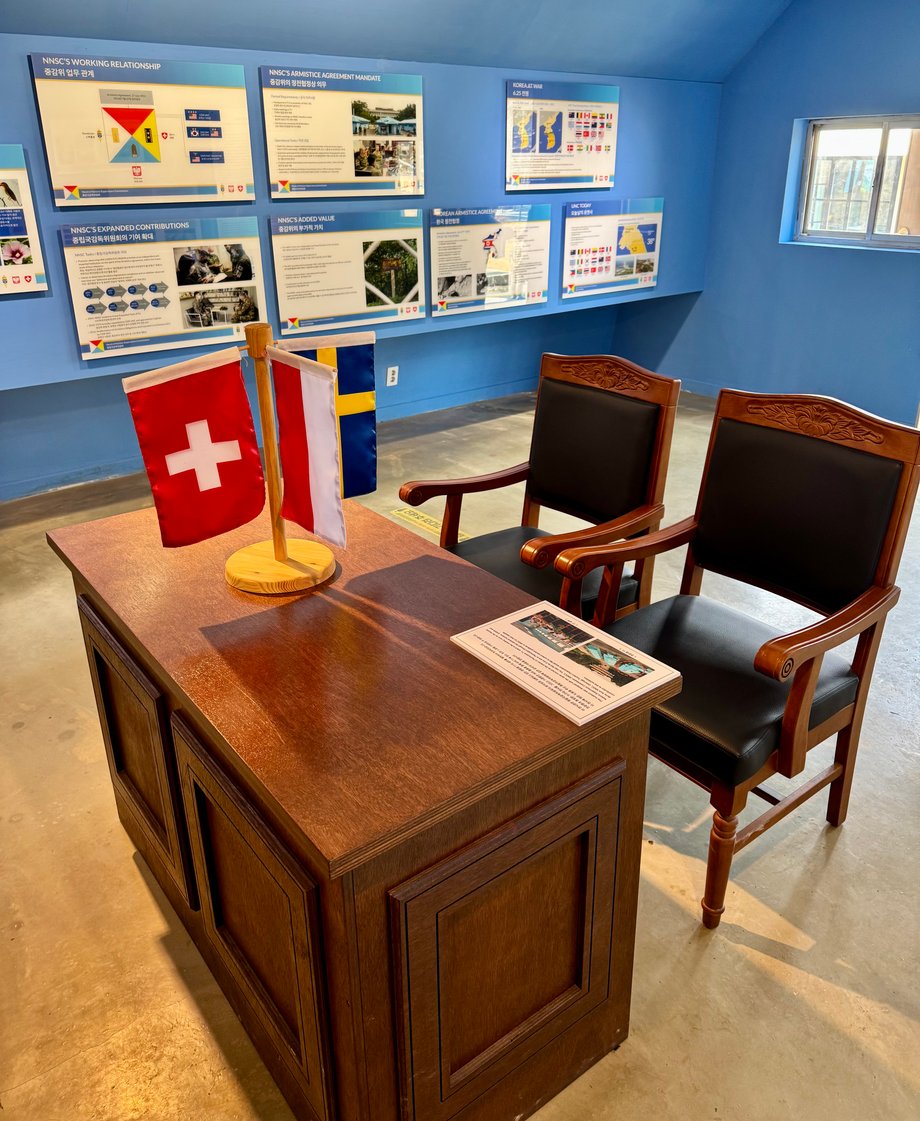
Mapping the room from Panmundżom. Meetings of the Supervisory Board of the Neutral States, to which Sweden, Switzerland and Poland belong
|
Natalia Szewczak
Author: Natalia Szewczak, journalist and secretary of the Business Insider Polska editorial ([email protected])