Long-term vegetarian diets can lead to health problems, including bone and joint problems. At least that's what an orthopedic doctor with extensive professional experience claims. More than that can lead to serious nutritional deficiencies.
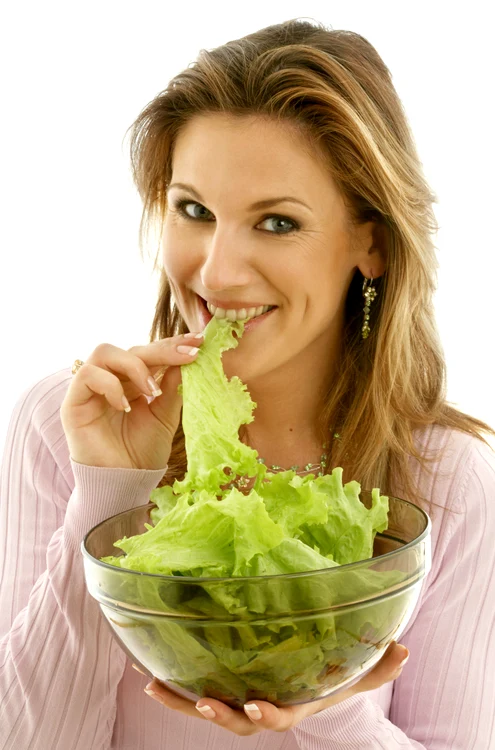
Vegetarianism can lead to nutritional deficiencies PHOTO shutterstock
Vegetarian diets have become very fashionable in the last two decades, in Romania, with a higher prevalence after 2017. Usually these diets are embraced especially by people from highly urbanized areas or by those who have certain ailments that do not allow the consumption of meat, dairy or eggs. In addition, worldwide, vegetarianism is being promoted as a healthy way to feed ourselves and at the same time protect the planet. However, there are specialists who sound the alarm and say that vegetarianism can lead to serious health problems.
“Vegetarianism for years leads to an atrophy of the gastric mucosa”
Radu Malancea is the head doctor of the Department of Orthopedics and Traumatology at the “Mavromati” County Hospital in Botoșani, a specialist with decades of experience in the field.
He believes that vegetarian diets carry a number of risks. “I'm a critic of vegetarianism because God didn't leave us with herbivore teeth. Vegetarianism is a fad but it's not normal. It's not good to overdo it, it's good to be balanced”confesses Radu Malancea. At the same time, he highlighted the potential dangers of vegetarianism. First of all, it is about a possible atrophy of the gastric mucosa, due to the lack of vitamins and amino acids that can only be found in products of animal origin.
“First of all, it produces a vitamin deficiency. There are studies in the United States that indicate that vegetarianism, maintained for years, leads to an atrophy of the gastric mucosa. Vitamin B12 is only secreted at the level of the gastric mucosa, and if an atrophy of the gastric mucosa occurs, you automatically have a B12 deficiency and become anemic and osteoporotic.”adds Radu Malancea.
In other words, an osteoporotic person is prone to osteoporosis, a systemic skeletal disease characterized by decreased bone mineral density and deterioration of bone architecture, making bones brittle and prone to fractures. “Vegetarians will say they're all amino acids, but they're not. They're amino acids you have to get from animal protein, you can't do it without animal protein”states the orthopedic doctor. In addition, the orthopedic specialist points out that vegetarians have to rely on supplements and vitamins to make up for the lack of a balanced diet, which also includes dairy products, meat or animal fats.
“Vegetarians may be at risk of vitamin and mineral deficiencies”
There are also international studies conducted by medical specialists. They state that vegetarians are at risk of vitamin and mineral deficiencies. Especially vitamin B12.
“Vegans and some vegetarians may be at risk of vitamin and mineral deficiencies, such as vitamin B12, riboflavin, iron, zinc, calcium, and omega-3 fatty acids. This can be especially dangerous for pregnant and breastfeeding women, as well as growing children, as these nutrients are crucial for fetal and child development. Anyone considering a vegetarian or vegan diet should consult a licensed dietitian or health care provider to ensure his diet is nutritionally adequate”say specialists Wang T, Masedunskas A, Willett WC, Fontana L in the study “Vegetarian and Vegan Diets: Benefits and Drawbacks”.
At the same time, there are completely unhealthy vegetarian diets. “In addition, consumption of vegetarian diets high in refined grains, potatoes, high-sodium canned vegetables, fried foods, sweets, juices, and sweetened beverages may increase the risk of developing type 2 diabetes and cardiovascular disease morbidity and mortality.”show the same authors.
Other specialists say that vitamin B-12 is difficult to obtain only from plant sources. That is precisely why vitamin supplements are recommended for vegans.
“Vitamin B-12 is needed to make red blood cells and prevent anemia. Anemia is a condition in which the body does not have enough healthy red blood cells to carry oxygen to all parts of the body. Vitamin B-12 is found almost exclusively in animal products, so it can be difficult to get enough vitamin B-12 in a vegan diet.”show the specialists from the Mayo Clinic.
The same medical professionals indicate that vitamin B12 deficiency can go unnoticed and even be masked in vegetarian diets.
“Vitamin B-12 deficiency can go undetected in people following a vegan diet. This is because the vegan diet is rich in a vitamin called folate, which can mask vitamin B-12 deficiency. For this reason, it is important for vegans to consider vitamin supplements, vitamin-enriched grains, and fortified soy products.”say the Mayo Clinic.
In addition, specialists from ANSES (Agence nationale de sécurité sanitaire de l'alimentation, de l'environnement et du travail) say that vegetarians may present a greater risk of bone fractures and vitamin deficiencies. “They have a higher risk of bone fractures and hypospadias (congenital malformation of the urethra), also with a low level of evidence. Finally, epidemiological studies have shown that vegetarians have a less favorable nutritional status in terms of iron, iodine and vitamins B12 and D and a poorer calcium and phosphorus balance than non-vegetarians. Vegans also have a less favorable nutritional status in terms of as for vitamin B2”shows ANSES.
What are the positive sides of the vegetarian diet
There are also studies that point to many positive aspects of vegetarian diets. For example, a vegetarian diet can lower the risk of developing type 2 diabetes or cardiovascular disease. “ANSES also noted, albeit with a low level of evidence, that vegetarians are less likely than non-vegetarians to develop certain diseases such as ischemic heart disease, ovulation disorders, certain cancers (prostate, stomach, blood) and certain eye and gastrointestinal diseases”show those from ANSES.
At the same time, vegetarian diets can act to control weight and blood pressure.
“In addition to epidemiological studies, data from clinical trials have confirmed a protective effect of vegetarian diets in preventing diabetes and reducing weight, blood pressure, glycosylated hemoglobin and low-density lipoprotein cholesterol (LDL-C)”says “Vegetarian and Vegan Diets: Benefits and Drawbacks.”