Trump's approval rate at the beginning of the mandate, the lowest of the post -war presidents

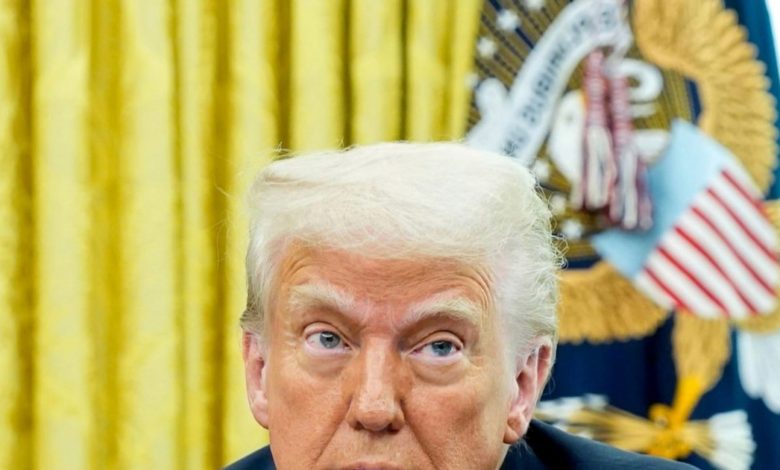
President Donald Trump had an average approval rate of 45% in the first quarter of the second term at the White House, according to an analysis of Gallup polls, Newsweek reports. It is the second lowest rate of approval of a post -war president, only in the first term Trump registering weaker results, when he had an average popularity of 41% at the same time of his presidency.
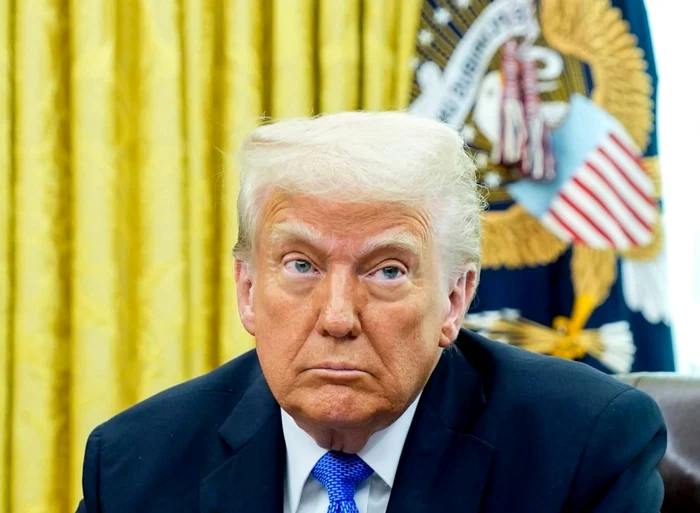
Donald Trump has a low popularity rate in relation to post -war shutterstock presidents
These figures are important in the perspective of the elections in the middle of the mandate, in 2026, when GOP will fight to keep their majorities close both in the room and in the Senate.
According to a Gallup analysis of a survey conducted between January 20 and April 14, Trump had an average approval rate of 45% in the first quarter of the second term.
Most popular post -war presidents
The figure is well below the Gallup average for post -war presidents between January 20 and April 19 – which is 59%.
The most popular presidents after the Second World War in the first quarter of the mandate were John F. Kennedy in 1961, with 74% favorable perception, followed by Dwight Eisenhower in 1953 with 71%.
Jimmy Carter in 1977 had an average approval rate of 69%, Barack Obama, 63% in 2009, Ronald Reagan, 60% in 1981, while George W. Bush had 58% in 2001.
The following in the standings are George HW Bush in 1989 with 57%, Joe Biden in 2021 with 56% and Bill Clinton in 1993.
In the case of each US president, Gallup did the average of all the polls he conducted in the first quarter of their mandate, between January 20 and April 19.
There were better news for Trump, after a survey conducted by JL Partners between April 10 and 14, he found an approval rate of 48%, compared to 42% who said he disapproved of his performance as president. This survey had an error margin of +/- 3.4%.
The best score in terms of economy
Ever since he took over the position, Trump has implemented a comprehensive political agenda, the president signing executive orders declaring a national emergency on illegal migration on the south border and instructing the federal government to cancel the initiatives of diversity, equality and inclusion.
Trump has created the Department of government efficiency, led by billionaire Elon Musk, to reduce government waste. He also imposed new rates on April 2, called the Day of Liberation. Many of these were later canceled, but the rates of up to 245% for China goods, one of the main trading partners of the United States, remain in force.
In April, 44% of American adults said they trust Trump in terms of economy, while 55% said they have little confidence or not at all, according to Gallup, who notes that the president is in the first place among political, Republican or Democrats, in terms of the population's confidence.
Thomas Gift, associate professor of political science and director of the Center for US Policy at University College London, said: “There is a widespread assumption – especially among the progressive elites in the big cities – that the rates are politically harmful to Trump. But this can reflect more of an echo than the national mood. A considerable number of Americans support Trump's rates. This does not include only the Republicans of the Maga, but also the LEMB.”