Ukraine begins repairs to the Chernobyl Power Plant Protective Structure, damaged by a drone attack

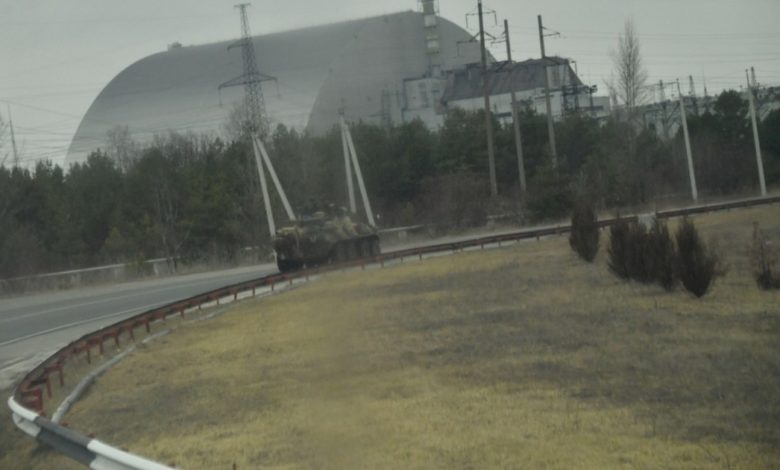
Ukraine works at the restoration of the protection structure at the Chernobyl nuclear power plant, after it was damaged by an attack with Russian drones.
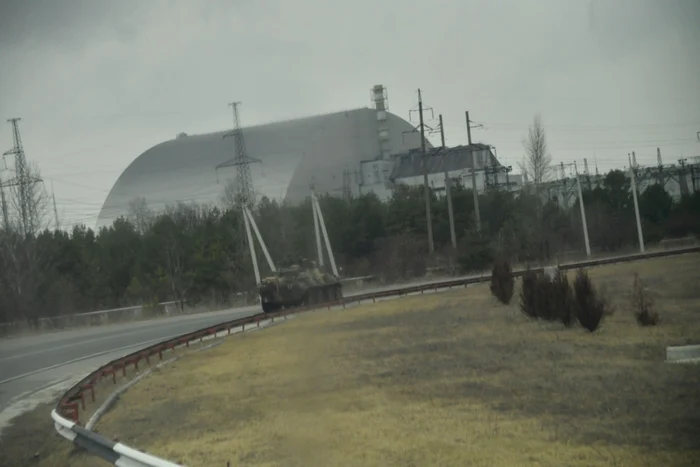
Chernobyl/Photo Center: Archive
The Minister of the Environment, Svitlana Hinciuk, stressed on April 12 that the repair of the “arch” is essential to prevent possible leaks, mentioning that nuclear and radiological safety remains a major priority for the country.
Ukraine's plans to dismantle the unstable structures of the reactor no. 4 from the Chernobyl nuclear power plant are suspended on an indefinite period, after an enemy drone has damaged the protection structure “The Arch of the New Confination” (NBK), the Ukrainian Minister of Environmental Protection announced.
“We had a well -developed plan, in coordination with our international partners. Unfortunately, the attack on the confinence, which led to the partial loss of its functionality, forces us to postpone the disassembly actions.”said the Ukrainian official.
According to official information, the drone hit the structure on February 14, causing a fire and damaging both the exterior cover of the arc and the equipment in the maintenance area of the technical cranes. The Ukrainian authorities managed to completely manage the situation only on March 7.
The emergency state from Chernobyl adds a new layer of complexity to an already delicate equation. The reactor 4, the place of the most serious nuclear catastrophes in history, is still surrounded by multiple risks. The dismantling of the unstable elements of the former central is an essential part of the nuclear security programs carried out in cooperation with international institutions, including the International Agency for Atomic Energy (AIEA).
Despite the incident, the process of modernizing and securing the site continues. Recently, the boiler was equipped with modern equipment within a common project with AIEA, including a installation for testing the frost concrete resistance, useful in the process of making liquid waste storage containers.
The installation operates automated, significantly reducing the test time from 100 to 20 days and diminishing the risk of human errors. It is a step forward in the continuous efforts to transform the exclusion area into a safer space, even in the context of the challenges generated by the Russian military aggression.