The prediction made by an expert in photovoltaic: it degrades much faster than it was estimated. “Half will not catch 2030”

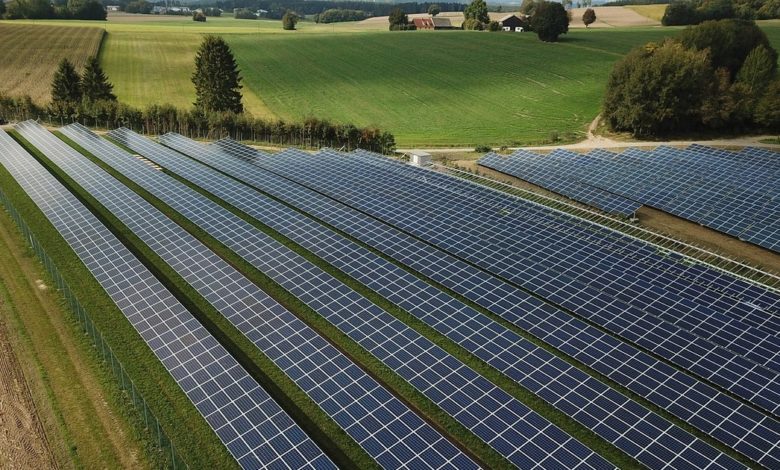
Photovoltaic systems degrade much faster than it was estimated, and the refurbishment or upgrading of these installations will be a big problem, according to a specialist in the United States.
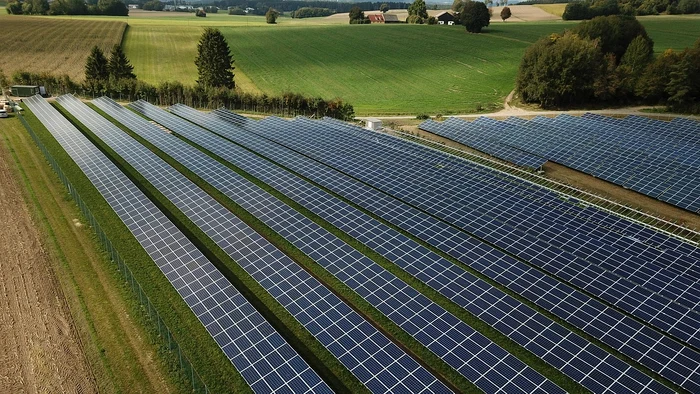
The problem of commercial solar systems installed before 2016 Photo: Pixabay
Cesar Barbosa, a specialist in the decommissioning and re -technologization of photovoltaic systems, claims that although 25 years of performance have been promised, solar systems do not withstand ten years.
“Throughout the country (in the US), tens of thousands of solar roof systems – once seen as the symbol of the clean energy revolution – degraded silently. Not because the technology failed, but because the industry did.“He wrote on LinkedIn.
Barbosa is a former employee of Sunpower Corp, and five years ago he founded his own company, Nulife Power. Although the industry is always concerned about increasing the installed capacity, it points out that the fever of the past installations begins to show its effects, and the photovoltaic systems in the US are much faster than it was estimated, according to economica.net.
“A bold prediction that no one wants to hear: half of the commercial systems installed before 2016 will operate below expectations or will no longer work until 2030. The solar industry is obsessed with the future. State -of -the -art panels (bigger means better). Elegant batteries. Dizzy forecasts for new installations. But here is the reality that we do not allow to ignore: a silent crisis is carried out on roofs throughout America – a crisis that I have been facing directly since 2012, when I started traveling with Sunpower to solve some of the most serious defects in photovoltaic systems.”, Said Cesar Barbosa.
He also explained what are the main causes that lead to their destruction.
“Inverters give in – many are already out of guarantee and there are no replacements available. The wiring and electrical infrastructure were not designed for an exposure of 25+. The quality of installation? Better not to speak – an army of poorly trained teams has supported the boom, and now we pay the price. Maintenance? There was no plan. Just a contract, a hand clapping and hope that everything will work“He said.
The expert claims that this “It's not just an engineering problem“But also”a financial one“.”Assets that do not work at optimal parameters generate less income than estimated, while increasing the risk of electrical failures, fires and compensation requests. And the most serious part: almost no one is ready to cope with this wave of faults. Active administrators, facilities owners and even EPC contractors discover that modernization, remediation or decommissioning are much more complicated and expensive than expected“He added.
Cesar Barbosa emphasizes that “the next border of solar energy“It will be”not in installing the next 100GW but in saving the first 100GW”.