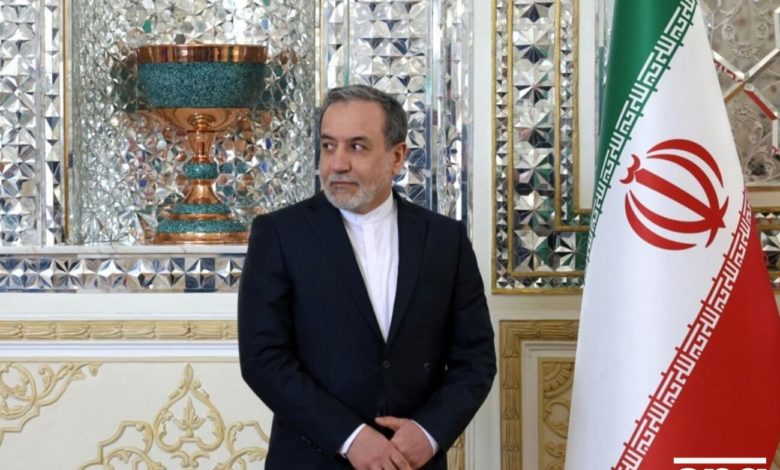
He said that indirect negotiations took place between the Iranian Foreign Minister Abbas Arakchi and the special representative of the US President Donald Trump in the Middle East by Steve Witkoff through the mediation of Foreign Minister Oman Badra al-Busaidi.
According to Bagai, representatives of Tehran and Washington were sitting in separate rooms and transferred their position through the representative of Oman.
گگوهای غیرمoll قی ک ع Post امور خارجه وging آغاز ش ش.
ایurs گ et در محل پیشlf پیشimesیش et تو# میزlf عمالی، اicles الار opinions opinions نimes جinct آمریکا دship iodل futs …
– Esmaeil Baqaei (@irimfa_Spox) April 12, 2025
Al-Busaidi “proudly” confirmed on the social network X that on April 12 in Muskat they held an indirect meeting of Iranian and American delegations and performed an intermediary in “nuclear” negotiations.
“I would like to thank my two colleagues for this interaction, which took place in a friendly atmosphere that contributed to the combination of points of view and, in the end, to achieve the regional and global world, security and stability. We will continue to work together and will make further efforts to help achieve this goal,” wrote the Foreign Minister Oman.
I have to recall that the Iranian foreign minister Dr. ABBAS ARAGHCHI and US Presidential ENVOY STEVE WITKOFF and participated in the Dialogu and Negotiations with Shared Aim of Concluding a Fair and Binding Agreement. And woold …
– Badr albusaidi – gard ال duymorts (@badralbusaidi) April 12, 2025
In the commentary, a member of the Iran’s negotiation group in the commentary to the Iranian news agency Tasnim called the atmosphere of negotiations “positive”.
According to Tasnim, negotiations passed for more than two hours, they will last next week.
Context
On February 5, Trump announced the desire to sign a nuclear peace agreement with Iran. According to him, he wants Iran to be a “large and successful country”, but without nuclear weapons. Trump also called “very exaggerated” reports that the United States and Israel are working together to “spread Iran.”
On February 7, the Supreme Leader of Iran Ayatollah Ali Khamenei said that he would not negotiate with the Trump administration and resolutely respond to threats to Tehran.
On March 4, Bloomberg wrote that the Trump administration turned to aggressor country Russia with a request to be an intermediary in communicating with Iran on issues such as a nuclear program, and the illegitimate president of the Russian Federation Vladimir Putin agreed to this.
On March 7, Trump said that he sent a letter to Hameni with a proposal to conclude a nuclear agreement with Washington. In case of refusal, the head of the White House threatened Tehran with military force.
On March 8, during a meeting with representatives of the Islamic Republic of Ayatollah Khamenei, Iran would not negotiate with the “Uglit government”. Iranian President Masud Cyzeshkin noted that Trump can “do anything.”
On March 12, Trump sent a letter to Iran, the content of which was not officially disclosed. However, according to Axios, It was “hard.” In a letter, Trump gave Taheran for two months to conclude a nuclear agreement with the United States, otherwise Iran’s nuclear objects may be attacked by America or Israel. On March 27, Tehran handed the answer to Washington. According to Aragchi, Iran’s policy is to conduct indirect negotiations while experiencing “maximum pressure” and military threats.
At the end of March, Trump threatened Iran “Untilment of previously bombing” if he does not conclude a nuclear agreement with the United States. Against the backdrop of the probable escalation of the Iranian Armed Forces, the rocket was brought into the combat readiness for a potential blow to the positions associated with the United States, And later their troops.