Europe is struggling in Warsaw. “We are heading towards the global trade war.” Unofficially: Poland is in favor of a new plan

For the European Union, a real war was drowned out by an artificially caused trade war.
– We should be like a Buddha: calm, concentrated and have a strategic answer – said the EU diplomat who wanted to remain anonymous. – We can now develop a strategy and have 90 days to prepare in the event of a lack of agreement with the Americans – he added.
Despite the temporary relief, European capitals are worried about the consequences of the US trade war, which can weaken economic growth and lead to job loss.
Governments would prefer to deal with supporting Ukraine, which is trying to repel Russian aggression in the face of USA. Instead, the energy of Europe consumes the need to deal with Trump's customs.
And although Trump ordered a 90-day pause in the use of elevated duties, considering whether to take retaliation, as well as calculations of how Europe is between America and China, they will not have such a break.
The 90-day postponement gives Brussels time to start negotiations with Washington and-in the meantime-to prepare for the worst.
During the break in duties, the basic American 10 % customs tariff-unlike the 20 % rate, which Trump wants to apply to the EU-and separate and previously announced customs fees for steel, aluminum and cars will remain in force.
“We are heading towards the global trade war”
EU officials in an interview with Politico have signaled persistent fears that the gap of property between EU countries may increase if more affluent rule saves companies affected by trade war, while less wealthy countries will be a small room for maneuver to do this.
– Not every Member State has the same fiscal space – another EU diplomat pointed out.
To limit disproportion in Europe, the Spanish Minister of Finance Carlos Cuerpo He suggested the use of revenues from new duties for compensation for enterprises throughout the continent.
His Italian equivalent, Giancarlo Giorgetti, called for stopping the use of severe EU expenditure – but most other countries consider this a difficult demand.
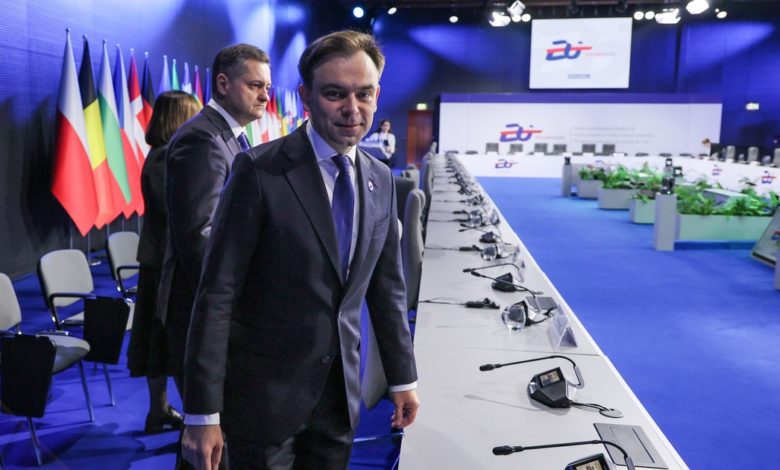
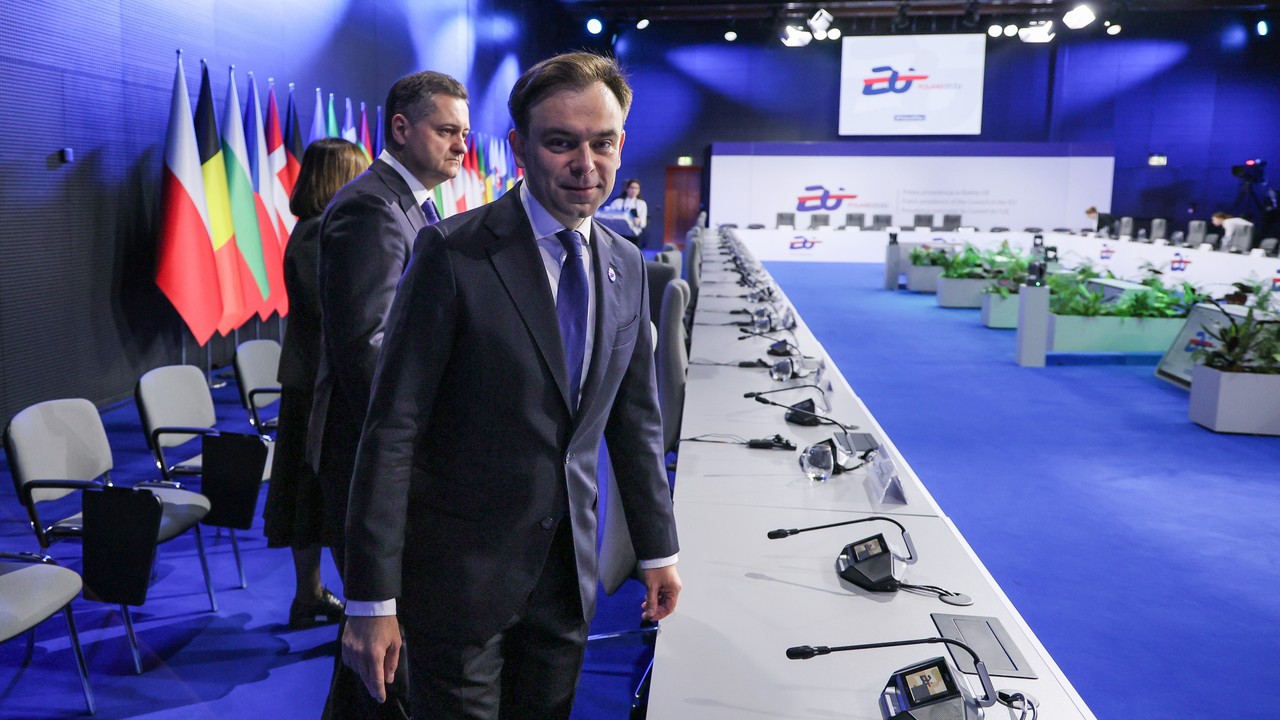
EU officials signaled in an interview with Politico that it was these topics that would dominate the talks in Warsaw.
– We are heading towards the global trade war, which limits global growth and reduces the ability of countries to control inflation – noted Fabian Zuleeg, general director of Think Tanku European Policy Center, even before Trump changed the course.
Real war
The growing tensions between the United States and Europe are also prompted by countries that occupy a hard position in terms of defense, such as Poland and Great Britain, to look for alternative ideas to strengthen their military sectors.
According to the Brussels Think Tank Bruegel analysis in Brussels prepared to discuss at the second working session during the meeting of ministers in Warsaw, which will take place on April 12, Poland is to be in favor of creating a new arms fund in order to jointly buy weapons. According to the information of Bruegel analysts, several northern countries – Sweden, Denmark, Finland and the Netherlands – and the United Kingdom was to be involved in preliminary closed talks about a similar plan developed by the British Ministry of Treasury.
This idea complements the separate initiative of the European Commission, aimed at offering EU countries greater fiscal flexibility and EUR 150 billion (almost PLN 645 billion, counting at the current exchange rate) loans for defense purposes. Unlike the plan of the Commission, the Armaments Fund would be immediately open to Great Britain and potentially other countries outside the EU.
As a sign of openness to this project, Great Britain, as well as Norway and Switzerland – two wealthy countries outside the EU with a valuable and rare triple rating, which emphasizes their ability to borrow money – meetings will join.
However, EU governments remain deeply divided into this idea, because southern countries, which are far from Russia, are reluctant to increase their defense expenses. “This proposal will not gain any popularity, it makes no sense to discuss it,” said one of the EU diplomats.
– This is not a wonderful remedy for countries such as France, with limited fiscal space, but will help to achieve in three years what we would achieve in 10 years – said another EU diplomat.
Highly indebted governments support joint EU loans instead of loans.
“We are very close to the moment when some form of joint borrowing will become inevitable,” said Zuleeg. “The risk associated with Russia will not disappear, regardless of what is happening in the economy,” he added.