2025-04-06 12:00
publication
2025-04-06 12:00
The Union must accelerate the modernization of power networks and make the system more flexible if it wants to implement the power community demand in the future and make energy transformation – according to the published report of EU controllers.
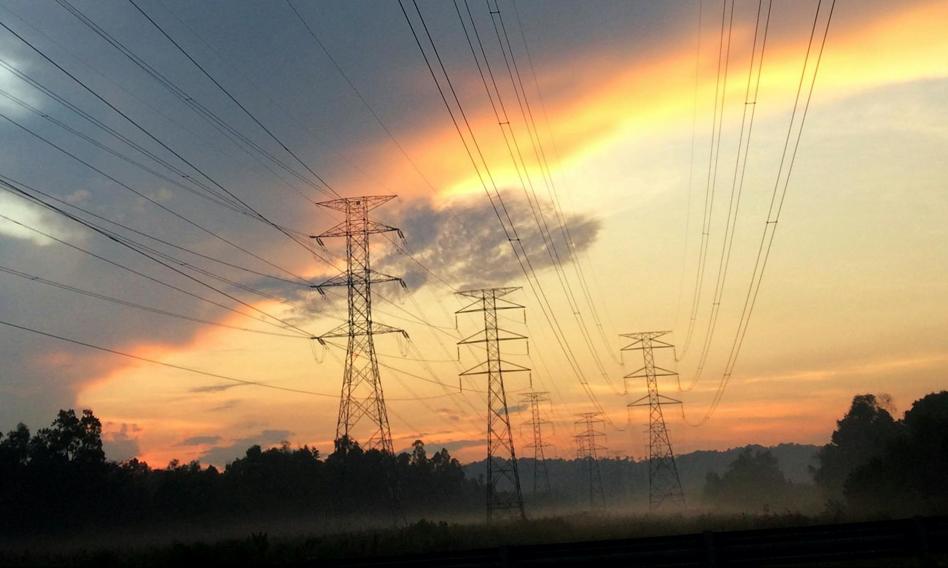
It was established that the pace of planned investments in the EU power network is too slow for the Union to achieve its goals in terms of increasing energy independence and achieving climate neutrality.
As Keit Pentus-Rosimannus from the European Court of Auditors (ETO) responsible for control, a large part of the EU power network is outdated and does not keep up with growing electrification; It is impossible to, for example, join more energy from renewable sources. “Almost half of the distribution lines is over 40 years old. To guarantee the competitiveness and independence of the EU, we need modern infrastructure that will support EU industry and allow you to maintain prices at an accessible level,” said the auditor.
It is estimated that By 2050, the EU energy demand will increase over twice. To meet this, large investments are needed that will help in the modernization of an aging network and in leaving fossil fuels in favor of ecological energy sources. However, investments go too slowly. As the auditors assessed, if this does not change, in the years 2024-2050 network operators will invest less in their modernization than they should. According to investment plans, it would be EUR 1.87 billion, meanwhile – as the EC calculated – a minimum of 1.9 billion to EUR 2.3 billion is needed for the modernization of the network.
On the other hand, investments can outline high energy prices anyway. To prevent this – according to Pentus -Rosimannus – the EU must use every possibility of minimizing investment needs. The need for a large network expansion can be limited by making the system more flexible so that it is better adapted to the fluctuations of wear and by using modern technology, such as intelligent meters that can effectively limit the demand for energy during peak hours. However, as the auditors pointed out, such solutions in some of the Member States are still slow.
Modernization of the network is also blocked by other factors, such as insufficient planning, long -lasting permits, as well as a shortage of materials and staff shortages. According to auditors, this can be changed, e.g. by improving administrative procedures.
According to ETO, Russia's aggression on Ukraine increased the demand for energy sources other than gas, and in connection with this the need to electrify the EU economy has also increased. In the years 2014–2020, it provided about EUR 5.3 billion for investments in the EU network. In the years 2021–2027 this amount increased to around EUR 29.1 billion, mainly thanks to the instrument to rebuild and increase immunity (RRF).
From Brussels Jowita Kiwnik Pargan (PAP)
jowi/ fit/