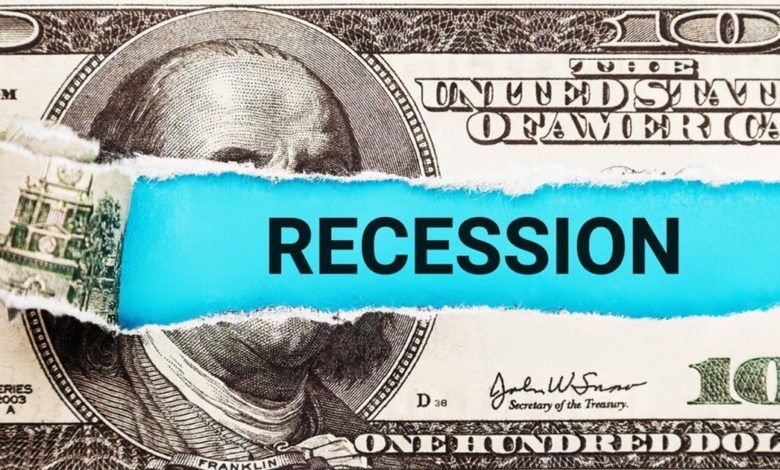
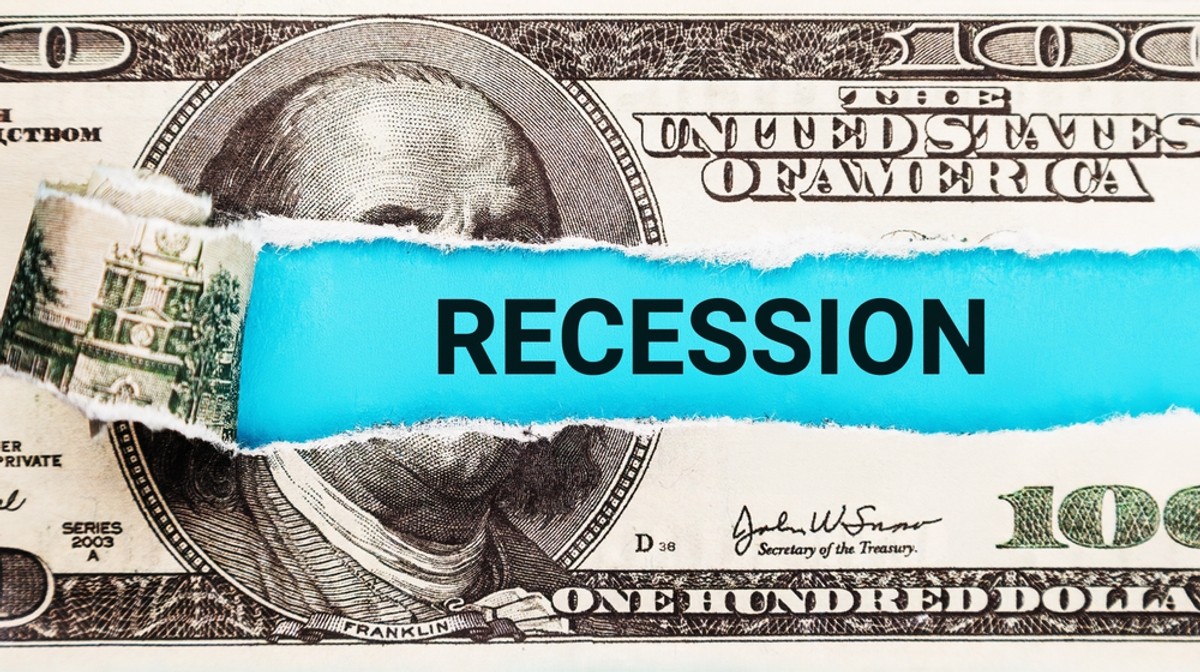
Bank JP Morgan has increased Estimated probability of recession in the United States and in the world up to 60 percent. Economists indicate that duties are threatened with weakening business trust and slow down global growth.
“The disturbing US policy was recognized as the greatest risk for global prospects throughout the year,” JP Morgan pointed out by Reuters, adding that The country's trade policy has become less business -friendly than expected.
“The effect will probably be intensified by retaliation (duties), a decrease in business moods in the USA and disruptions in the supply chain,” he added.
Another financial institution S&P Global She also raised her “subjective” probability of US recession to the level between 30 and 35 percentwith 25 percent estimated in March.
Last week, before the announcement of customs tariffs on April 2, Goldman Sachs also raised the probability of US recession to 35 percent. from 20 %, noting that economic foundations are not as strong as in previous years.
HSBC said on Thursday that the narrative about the recession would gain popularity, but added that some of them are already “valued”. “Our recession probability indicator on the stock market suggests that shares are already valuing About 40 percent chances of recession until the end of the year” – added analysts HSBC.
Economists of institutions such as Barclays, BFA Global Research, Deutsche Bank, RBC Capital Markets and UBS Global Wealth Management also warned that the US economy is facing a greater risk of recession this year, if the new duties of Donald Trump remain in force.
Barclays and UBS have warned that the US economy may enter the territory of shrinking, while other analysts forecast economic growth in a wide range of 0.1 to 1 percent.
American companies lose on the stock exchange
Reuters reminds that American stock markets increased in November after Donald Trump won the second term in the White House, expecting business -friendly policy. After the announcement of customs tariffs, the main Wall Street indexes fell strongly.
Brokerage houses, including Barclays, Goldman, RBC and Capital Economics, reduced their goals at the end of the year for American actions, and UBS reduced its recommendation to “neutral” from “attractive”.