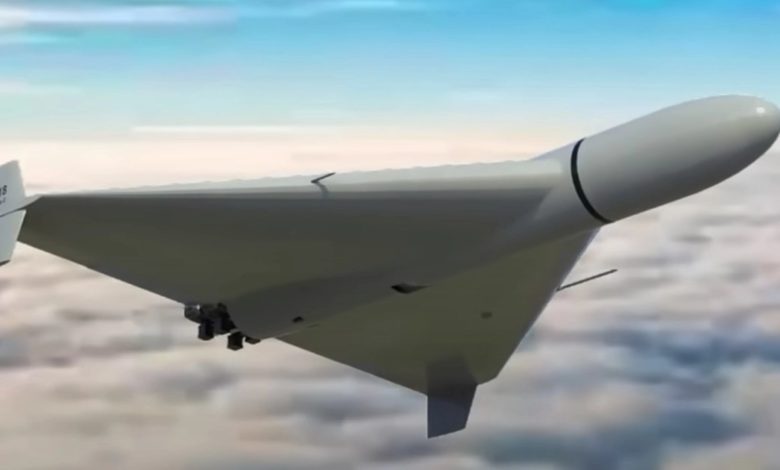
The President of Ukraine, Volodimir Zelenski, said that to counteract a massive attack with 800 Russian Kamikaze drones, Ukrainian air defense needs at least 1600 interception drones – that is, a report of 2 to 1. focus.ua.
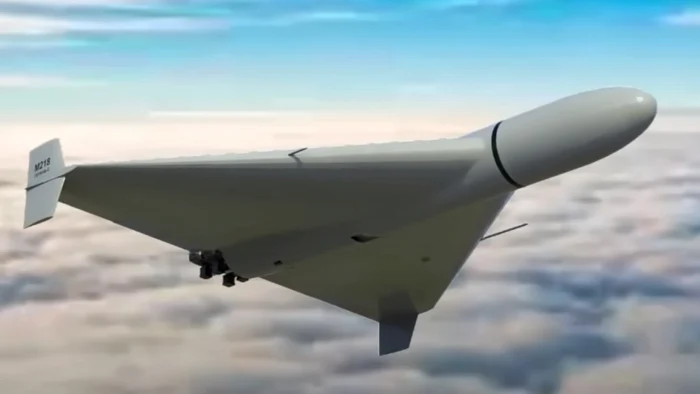
Shahed/photo drone: Archive
The statements were made during the 21st edition of the Conference “Yalta European Strategy” (Yes), an international foreign policy forum where the Kiev leader asked the Western partners to financial and military support. “Why today? Because tomorrow the Russians will have something else. And we have to be ready to answer – in the mirror,” Zelenski said, stressing that Russia is already using altered drones, with faster engines.
The cost of a single interceptor amounts to about 3000 euros, but, according to the Ukrainian leader, “it is a price we have to pay to stop the Russian air invasion.”
Military experts: Reality on the front is another
However, the figures presented by Zelenski are considered too optimistic by some specialists in the Ukrainian army. Iurii Kasianov, radio engineer and air recognition expert, warns that during the day, five interception drones are needed to break a single shahed drone. And at night – even ten.
The explanation? FPV (First-Person View), used for interception, are required 10-25 minutes of flight, of which is most consumed for altitude and identification of the target. Efficiency decreases dramatically under low visibility conditions.
The cost of a single shot, under these conditions, reaches $ 10,000 during the day and up to $ 40,000 at night. These estimates raise question marks on the sustainability of an air defense based exclusively on interceptors.
In a note that reflects more and more pressure, Zelenski stressed that Ukraine must go from defense to symmetrical offensive. “If the Russians launch 800 drones a day, we should respond with at least 1000. Only in this way will they feel the effects of the war.”
In reality, however, Ukraine's response is ten times smaller, as the president himself recognizes. The reasons are multiple: lack of stocks, insufficient domestic production and delays in external deliveries.
This is not the first time that the official figures in Kiev are questioned by specialists. While the president makes public calls for help and shows a controlled image of the situation, the technical reality of the front remains a much more complex one – with logistical, technological and financial risks that are difficult to manage in the long term.