Corruption, burnout, hate and breaking spines. Ukrainian MPs have had enough

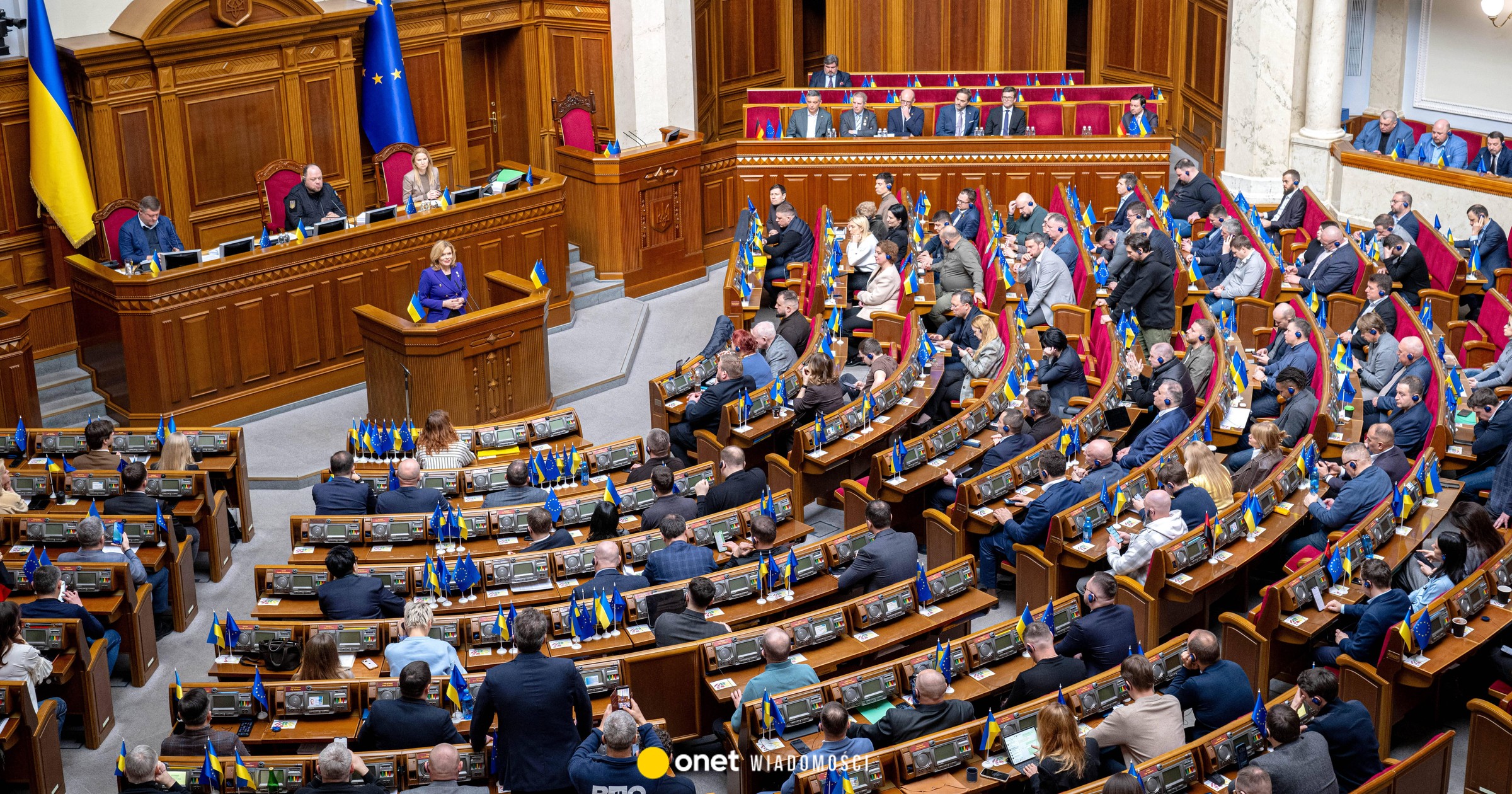
Among Ukrainian parliamentarians – both from the ruling Servant of the People party and from the opposition – There is more and more talk about the paralysis of the work of the Verkhovna Rada. Jarosław Żelezniak, a deputy from the opposition Hołos party and vice-chairman of the tax and customs policy committee, described this week as the most inactive week in the entire 2026 session.
“This week will be the last plenary session in March, thus ending the first quarter of 2026. It's going to be a complete disaster. Tuesday has already been canceled due to lack of votes, and Wednesday and Thursday don't bode well either,” he said.
Deputies – this is how deputies to the Ukrainian Verkhovna Rada are called – are in no hurry to come to the meeting. Last week, MP Andriy Motovylovtsy said that several dozen of them are afraid of an investigation by the National Anticorruption Bureau (NABU) regarding the alleged acceptance of money for voting in line with specific interests on specific bills.
It is common knowledge that corruption is a serious problem among Ukrainian parliamentarians, which is not surprising given the official salary of only 30 thousand hryvnias (approx. PLN 2,500) per month.
Ihor Fris, an MP from the president's Servant of the People party, wrote on Facebook: “Many of us – including myself – decided in 2019 to leave well-paid positions to work for a deputy's salary, under constant surveillance, with declarations and other 'privileges' (this word is really an exaggeration here). We agreed to hatred that appears regardless of the effects of our actions, and we were willing to carry this burden for some time — in the name of change and with faith in these changes. That's part of life. But not for the rest of your life. Some people are tired of being hostages of the situation. The government reaches agreements with its partners, and MPs must implement these arrangements – and be responsible for them.
Some opposition MPs claim that blocking work is not a solution, and many “Servants of the Nation” also agree with their opinion. Mariana Bezuhła appealed to her colleagues, to still come to the meetings despite their frustration with the actions of anti-corruption institutions. On Facebook she wrote:
“Although I have often spoken about fatigue in parliament, I still cannot understand some of my colleagues. We have an important mission, real opportunities and decent conditions – so let's work. For as long as necessary. No one has a specific time of service. We can do a lot, and there is still so much ahead of us. A new world begins. There's war and work ahead of us.”
So far, the appeal has had little effect. So much so that it begins to threaten Ukraine's position in the international arena.
Nobody wants to be a scapegoat
By the end of March, the Verkhovna Rada must pass several key laws – including the abolition of tax breaks for entrepreneurs. This is a very unpopular step: Ukrainian businesses, especially small ones, are already struggling to survive in war conditionspower outages and damage caused by bombing. As representatives of the administration clearly emphasize, this is the International Monetary Fund's condition for further cooperation.
Meanwhile, the government itself is delaying in submitting the relevant draft law to the Council. Everyone knows that it would be very difficult to pass it even with full turnout. Nobody wants to be a scapegoat.
The chairman of the tax policy committee, Danylo Hetmantsev, wrote on Facebook: “The failure of the IMF program – and we are closer to it than ever – would mean a financial disaster. But we have come to a predictable conclusion: it is impossible to discuss, collect votes or adopt any initiatives in the Verkhovna Rada when the bill itself has not even been submitted.”
Volodymyr Zelensky speaks in the Verkhovna Rada. Kyiv, October 16, 2024EPA/UKRAINE PRESIDENTIAL PRESS SERVICE HANDOUT / PAP
Apart from President Volodymyr Zelensky's statements about the possible mobilization of deputies refusing to work the authorities have not yet proposed any new solutions.
Accusations of cooperation with Russia
The harshest criticism currently comes from bloggers and Telegram channelsrelated to the president. Popular political blogger Volodymyr Petrov went further than others, writing on Facebook:
“I see a serious risk that behind this 'fatigue' the deputies are hiding the intention to commit a coup d'état. I am convinced that this is being controlled by the heads of the parliamentary factions – and it is financed by Russia. Boyko, Poroshenko and Arakhamiya want to replace the current government with a pro-Russian one that they will be able to control, deprive the president of power and hand Ukraine over to the Russians.
The entry was met with favorable comments. For years, Ukrainians have had a habit of blaming MPs for all the country's ills. This is a legacy of the 1990s, when the level of parliament was much lower and MPs were under constant media fire, more often than the presidential administration or government.
At the moment, the situation looks like a stalemate. The deputies are “tired”, but none of them have decided to resign. The presidential administration also failed to take any decisive action.
Four parliamentary sessions are scheduled this week, including an hour of questions to the government on Thursday. It is not even known whether the session will take place on Tuesday, March 24although there is only one day left. This issue itself will be an eloquent test of whether the “monocoalition” of the Servant of the People, which has supported almost all of the government's decisions since the summer of 2019, is still able to act.