President Emmanuel Macron was nominated on Tuesday, September 9, Sébastien Lecornu as Prime Minister of France, after Francois Bayrou lost the vote of trust in Parliament on Monday.
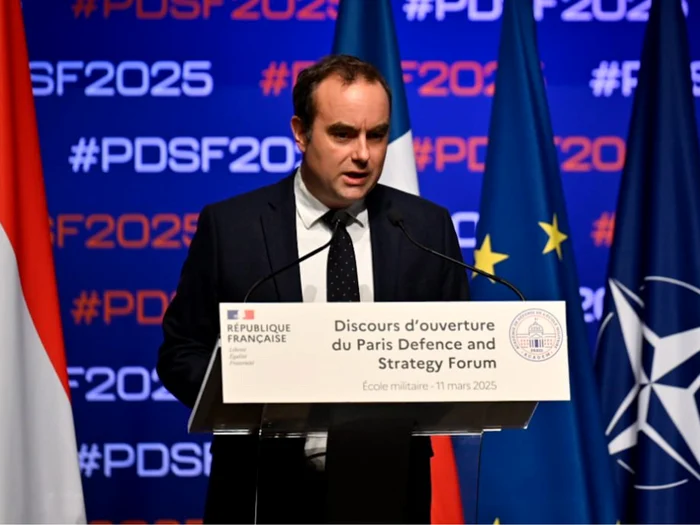
Sébastien Lecornu/Photo: X.
The rapid appointment comes in a moment of social and political tensions, amid the calls of Le Pen Marina at early elections and preparations for “Block everything” protests, announced for Wednesday, writes Reuters.
The election of Lecronu, a member of the Renaissance party, indicates the determination of Macron to continue with a minority government that firmly supports its agenda of pro-business economic reforms, in which the taxes for enterprises and the rich were reduced and the retirement age was increased.
Bayrou has become the second prime minister dismissed in less than a year since President Emmanuel Macron formed a minority coalition of central and conservatives after the anticipated elections of 2024.
France, which has a budget deficit of over 5% of GDP, is now without a government at a critical moment.
The budget proposed by Bayrou for 2026 included discounts of over 40 billion euros, largely to the detriment of working and middle classes. The plan included freezing social benefits, reducing the number of civil servants and even eliminating two days of legal holidays.
The ultimate goal was to reduce the deficit below the EU lens of 3% of GDP by 2029. The opposition forces, from the left to the far right, opposed the initiative.
Who is Sébastien Lecornu
At just 39 years old, Lecornu is the only minister who survived all the reshuffles of the Macron era, remaining constantly in the presidential team since 2017.
He was, in turn, Secretary of State, Minister of Over-Siggers, and from 2022 he runs the defense portfolio-in a period when the War of Ukraine redefined the strategic priorities of Paris.
Little present in the media, rarely interviewed, he prefers to cultivate his sober technocrat, attentive to details and institutional disciplined. In fact, he spends most of his weekends in his native Normandy, where he continues to hold a position of local councilor – a discreet signal that he has not forgotten the land and contact with the electorate.