This is the third change of the government in France in just over a year, what emphasizes the scale of political instability over the Seine. President Emmanuel Macron must now decide whether to establish a new prime minister or solve the National Assembly and will write early elections.
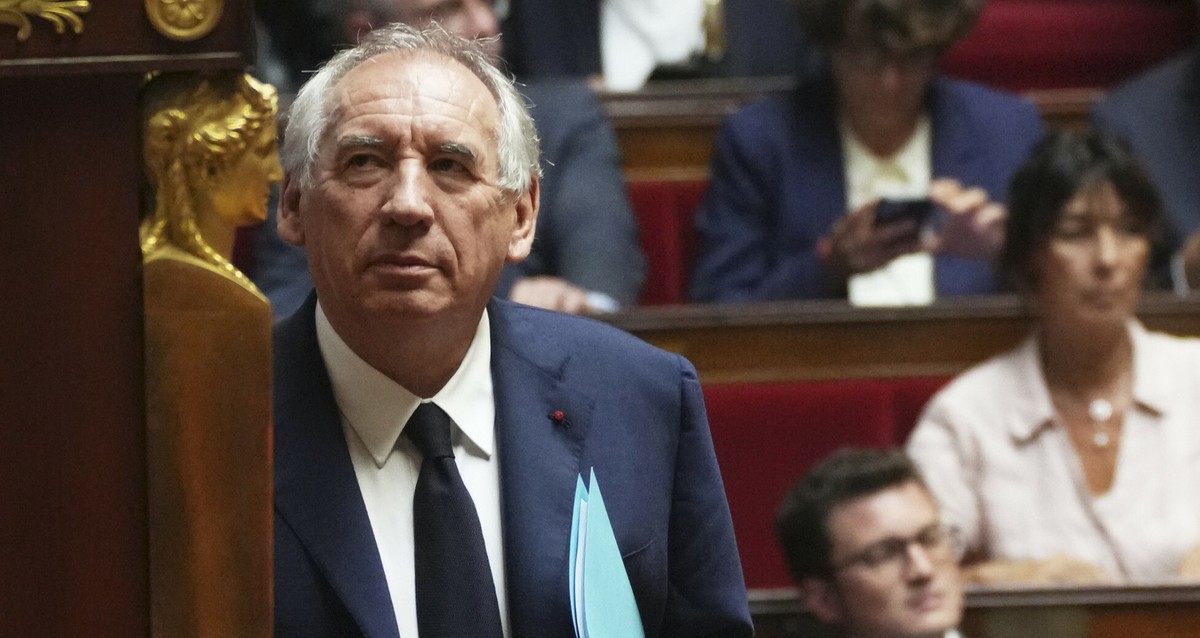
Bayrou began a risky vote to – as he argued – Forces “clarity” around the dramatic state of state finances. “You can overthrow the government, but you can't erase reality,” he said to the deputies, emphasizing that France is drowning in a wave of debt.
The government's savings and tax increases proposed by the government worth EUR 44 billion was to reduce the deficit in 2026 to 4.6 percent. GDP from expected 5.4 percent this year. Among the most controversial ideas were, among others Limiting the number of days off from work. The opposition – from the extreme left to the extreme right – found the plan to be socially unacceptable and economically risky, which in effect united her voting against the government.
On the stock exchange without panic
Financial markets reacted without panic, which may suggest that Some investors calculated the result of the vote. The CAC 40 index ended the Monday session by 0.8 percent, the profitability of 10-year treasury bonds dropped to approx. 3.41 percent, and the Spread OAT/Bund has narrowed around 77 base points. Despite the temporary relief of the questions about the fiscal credibility of Paris, they remain unanswered – the cost of serving the debt is to reach about EUR 75 billion next year, and The debt still increases at a pace rated by the government for several thousand euros per second.
Immediately after the defeat, the prime minister is to resign to the president. Until the establishment of a new government, he will manage the work of the office as a “Prime Minister in Research”, ensuring the continuity of the state. The Elysee Palace has several paths to choose from: designation of a new head of a government capable of building a majority around a programmable program contract or an attempt to reset the political scene by terminating the National Assembly. In both variants, the key test will be the adoption of the budget – it was the dispute over its shape that overthrew the last offices.
Bayrou's political failure is part of a longer turbulence of the presidency of Emmanuel Macron after last year's unsuccessful accelerated parliamentary elections. The lack of a stable majority and deep polarization effectively hinder the implementation of fiscal reformswhich – according to the government – are necessary to restore control over the debt and the costs of its operation. Today's voting has shown that without a wider, supra -party compromise, France awaits the further period of political and economic uncertainty.