The government revises the criteria of classification as a disability. “We have identified serious problems” / fraud and irregularities found



Wheelchair. Credit: Photostand / Gelhot / Imago Stock & People / Profimedia
The Minister of Labor, Family, Youth and Social Solidarity, Florin Manole, announced that serious problems were identified in the system of disability, from incomplete files and forged documents, to abusive classification and procedural errors.
“We have identified serious problems in the system of classification in disability: incomplete files, falsified documents, abusive classifications and procedural errors. These irregularities directly affect the people who really need support. Therefore, the project we have put in transparency, regarding the classification in the degree of disability, has a clear purpose: to reduce this system. In their favor.
He stressed that the National Authority for the Protection of Persons with Disabilities (ANPDPD) will organize debates and take every day “legitimate and good faith” questions that will be asked during this period.
“In order not to fall into the net of misinformation or voluntary or involuntary distortions that can circulate on social networks, they give everyone to ask questions to this institution. It will provide a call center and an email address. We want a system based on trust, responsibility and respect for the rights of the vulnerable,” the Minister of Labor said.
In Bucharest, over a quarter of the files were with fraud and irregularities
According to the data published by the Minister of Labor on the social network, between April-June 2025, 2,083 persons with a disability certificate and 26.5% of the files (554) were re-evaluated (554) were with fraud and irregularities, Agerpres cites.
Among the frauds and irregularities found in the system of classification in disability are: procedural inconsistencies and errors – fractions made on the basis of contradictory social surveys, the wrong type of disability, properly classified persons who did not receive permanent certificates, although they had this right; unjustified or abusive classifications-files that do not comply with the criteria for medical-psychosocial classification, classification on inconclusive diagnoses, classifications for certain types of diseases that did not justify the degree of disability; falsification of medical documents – forged paraphrases, including one that erroneously indicates the specialty “Spihiatru”, summary medical documents, limited diagnosis, without confirmation through investigations (eg without MRI/CT), suspicions of forgery and use of forgery to obtain the certificate, for which the Prosecutor's Office was notified; Lack of essential documents – lack of complex evaluation request, identity documents, reports and medical letters, persons who were in decisions in the computer system but there was no physical document to support them, files that did not comply with the criteria of classification and/or procedure.
Project to review criteria that establish the classification in the degree of disability
The Ministry of Labor, Family, Youth and Social Solidarity launched on Friday the process of revising the criteria of classification in the degree of disability by modifying and completing the annex to Order 762/1.992/2007 for the approval of the medical-psychosocial criteria on the basis of which the classification is established.
According to a statement of the ministry, the purpose of revising the medical-psycho-social criteria in order to fit in disabilities of people with disabilities is to eliminate, first of all, fraud from the social protection system. Secondly, the reform follows a greater protection of the beneficiaries. By resetting the criteria, it is desired to eliminate the inconsistencies in the evaluation process, as well as the more efficient use of the financial resources within the protection system.
According to the quoted source, in order to support the persons with disabilities it is proposed to establish the term of permanent validity from the first evaluation for serious conditions, for which 12 or 24 months validity is now: severe and profound mental retardation; autistic spectrum disorders after reaching the age of 26; Absolute and relative cecity; deafness; Congenital orgilateral deafness or bilateral deafness acquired before the language is acquired; amputations; pituitary tumors with severe ophthalmological and neurological sequelae; pituitary nanism and acondrodispalsis; Rheumatoid arthritis Stage IV; Ankylosing spondylitis serious forms; sdr. Prader Willi; Osteoarticular disorders with ankylosis and severe disorders, apart from therapeutic resources.
For other serious conditions for which there is no improvement in the health after granting the validity term 12/24 months it is proposed to grant the permanent validity period from the second evaluation.
“The revision of the evaluation criteria takes into account the progress in the medical field and the assistance technologies, taking into account the new discoveries and treatments, but also the diversity of the needs of those who live with disabilities. At the same time, we want to bring clarity and put an end to the overlays in describing the accentuated and serious degree. Compared to the previous situation.
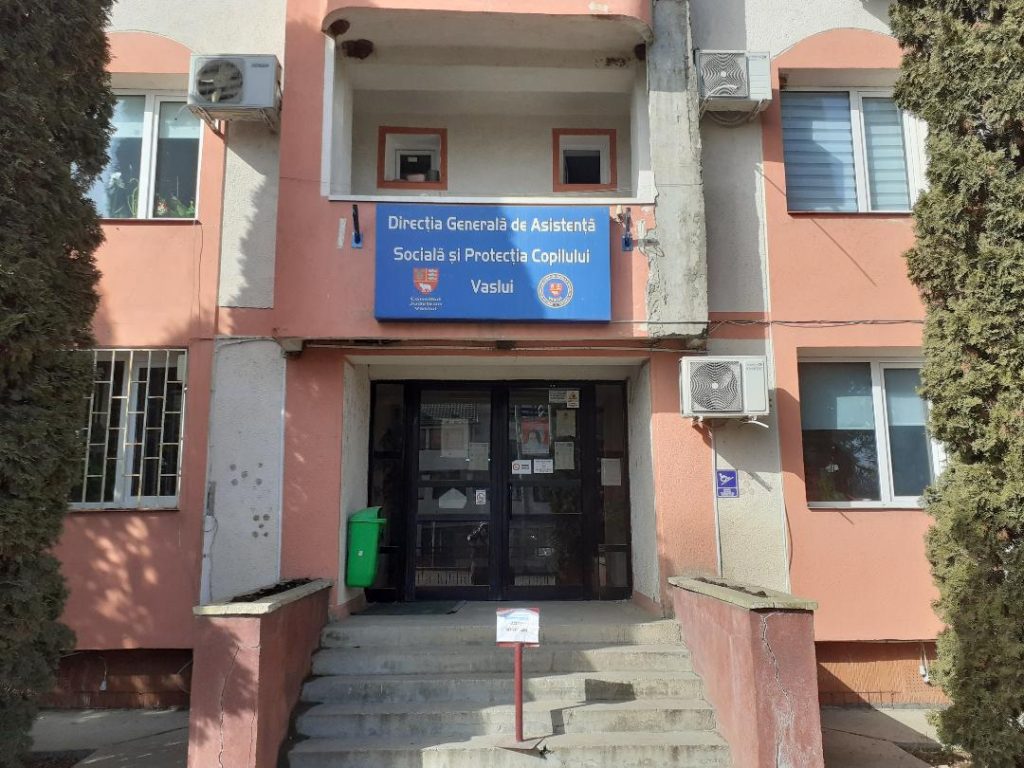 Over 50 employees from DGASPC Vaslui, led by the director of the institution, have disability certificates. Charges of abuse in service and fake / police searches, one year after the local press reported the case
 Searches to dozens of people in Bucharest who would have forged disability certificates to retire in advance / injury of almost 1 million euros